Karnak Temple Guide: What Not to Miss
The complete Karnak Temple guide: the Great Hypostyle Hall, the Avenue of Sphinxes, obelisks and the Sound and Light show, plus how to plan your visit in Luxor.
Karnak is the largest temple complex ever built, a sprawling city of sanctuaries, pylons and obelisks that grew over more than 2,000 years. It is the highlight of any visit to Luxor, and it deserves at least half a day.
This guide explains what to see at Karnak, how to visit it without the crowds, and how to combine it with the rest of Luxor.
What is Karnak?
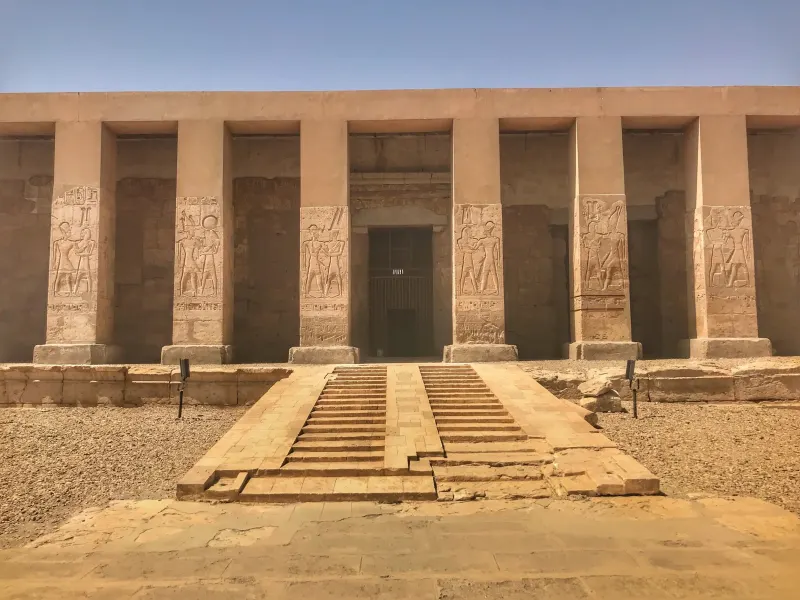
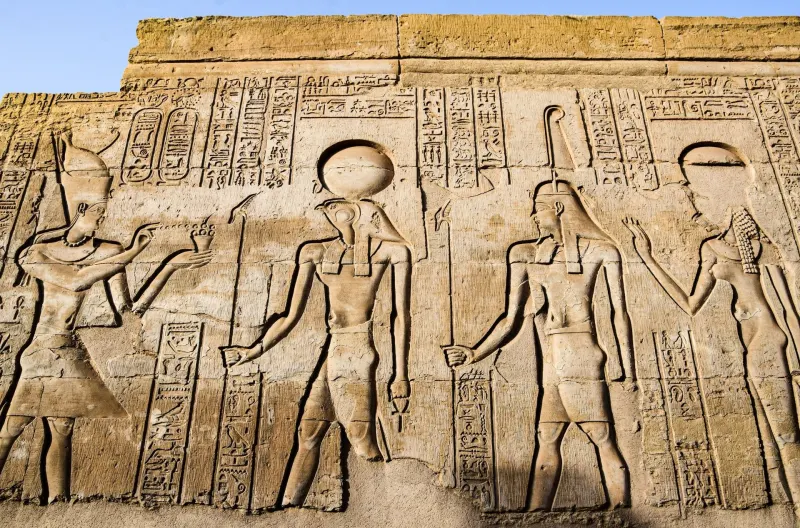
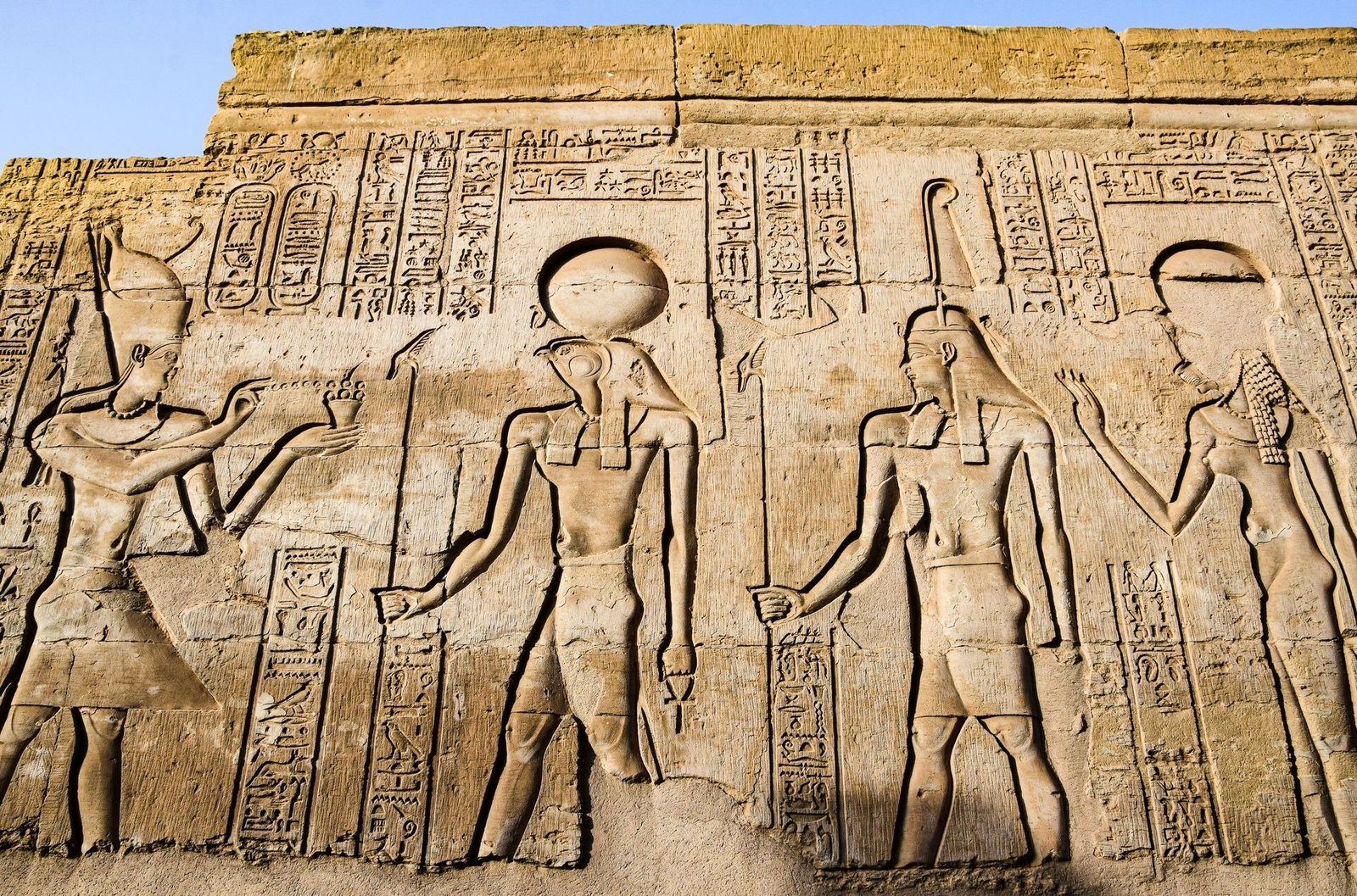
Karnak was the main place of worship of the Theban triad — Amun, Mut and Khonsu. Almost every pharaoh added something, which is why the site feels like an open-air museum of Egyptian architecture. The most famous contributor was Ramses II, whose colossal statues and inscriptions are everywhere.
The must-see parts of Karnak
The Great Hypostyle Hall
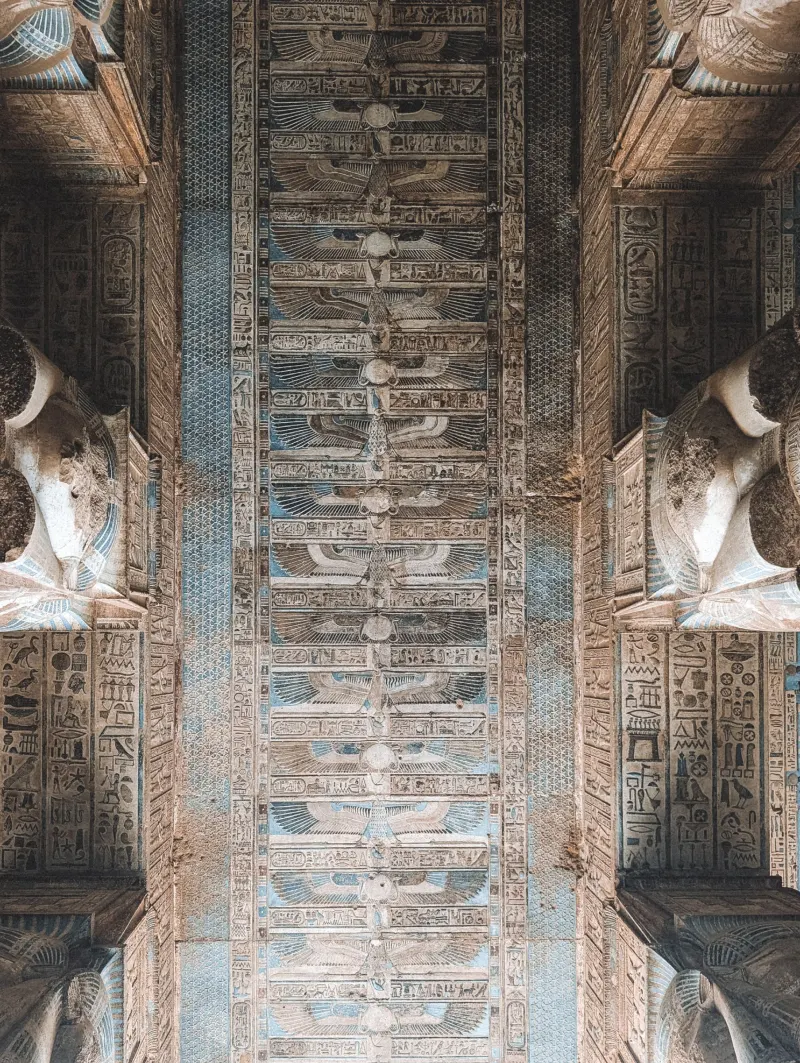
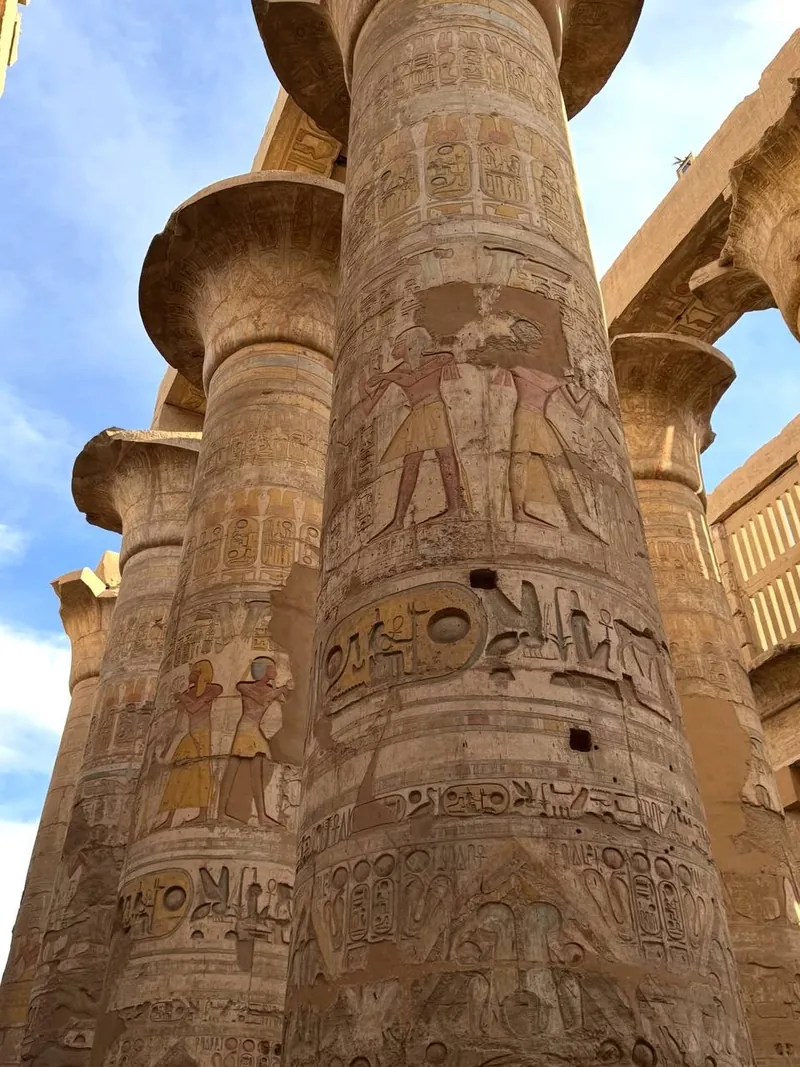
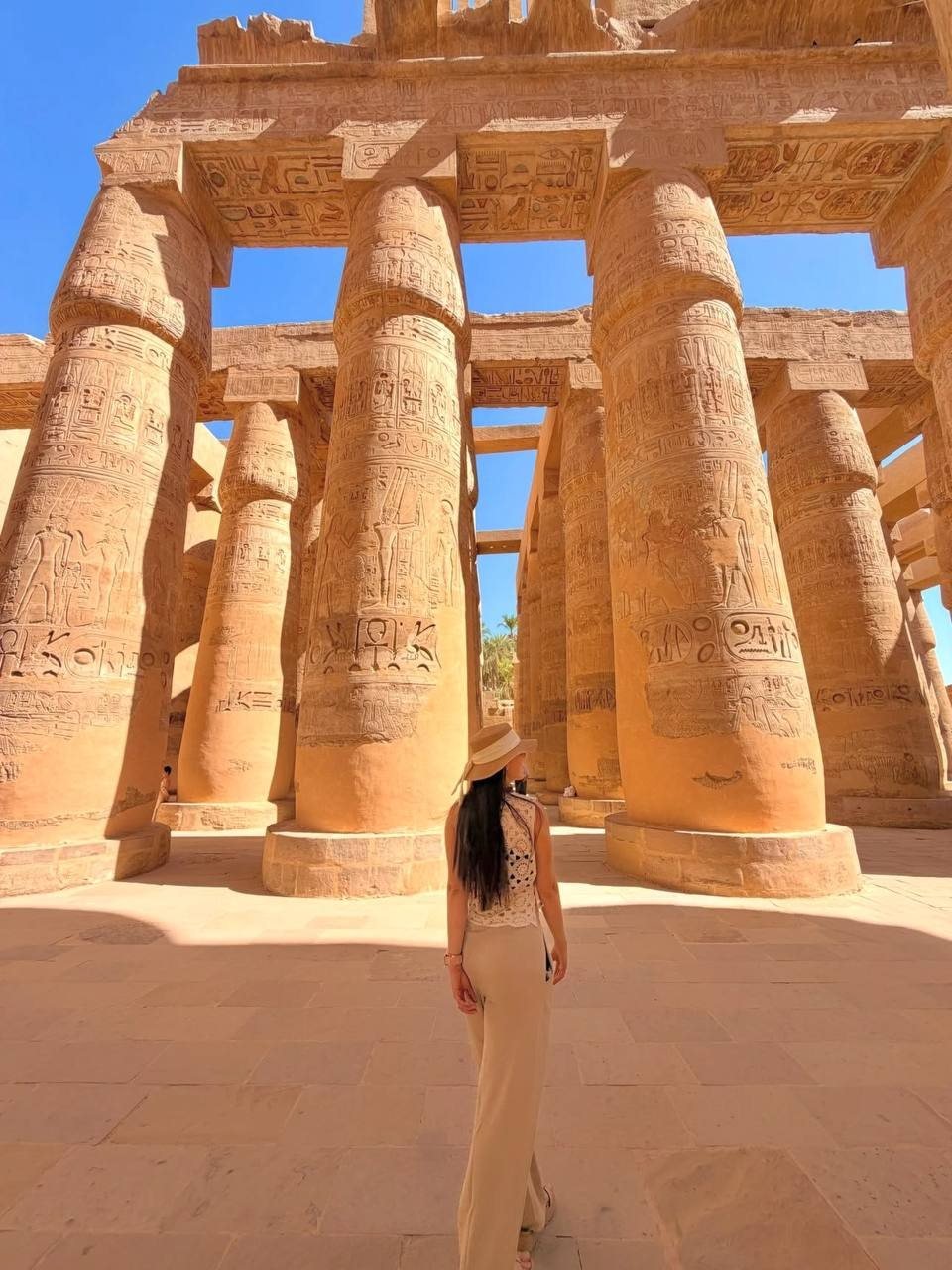
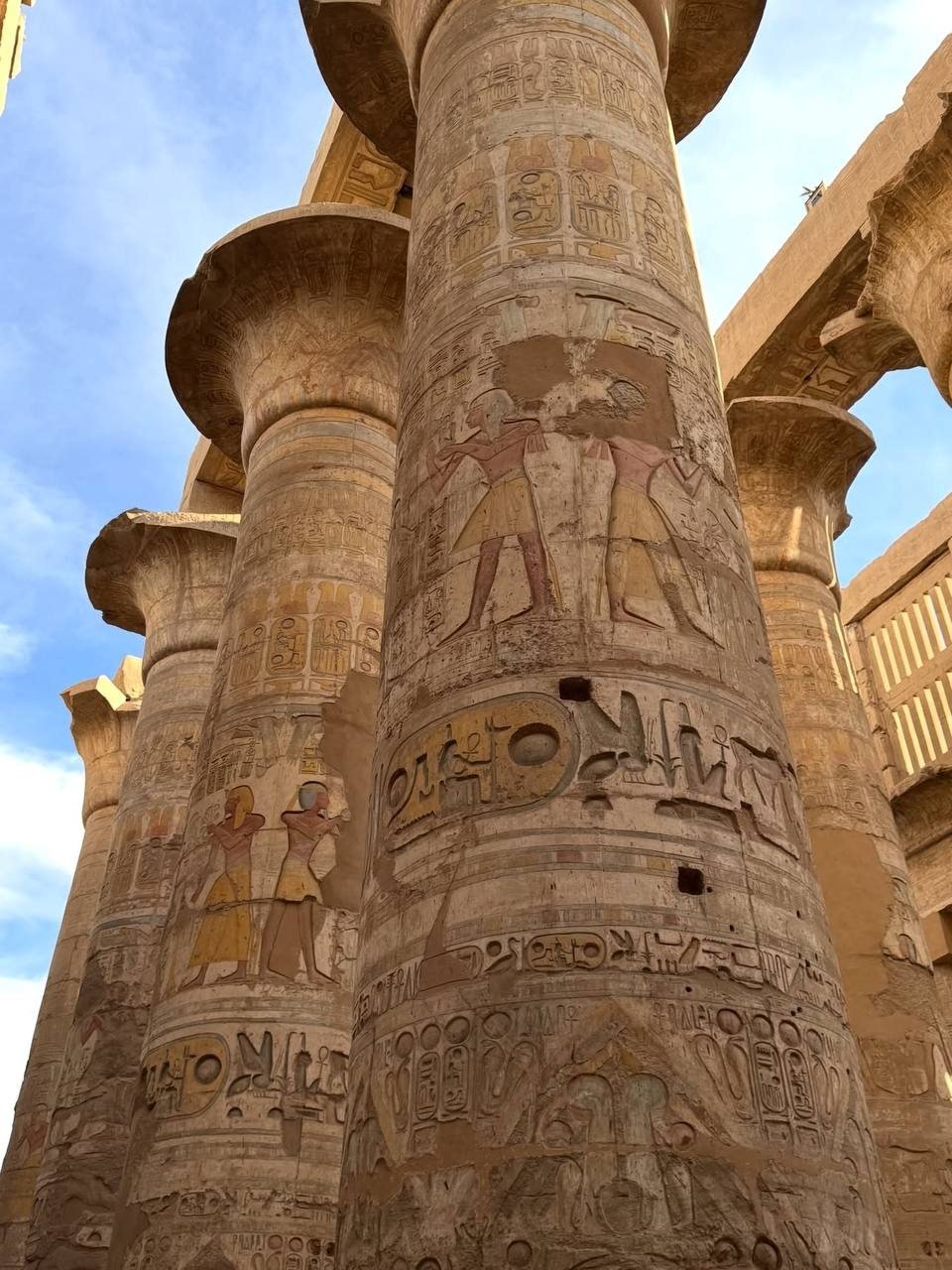
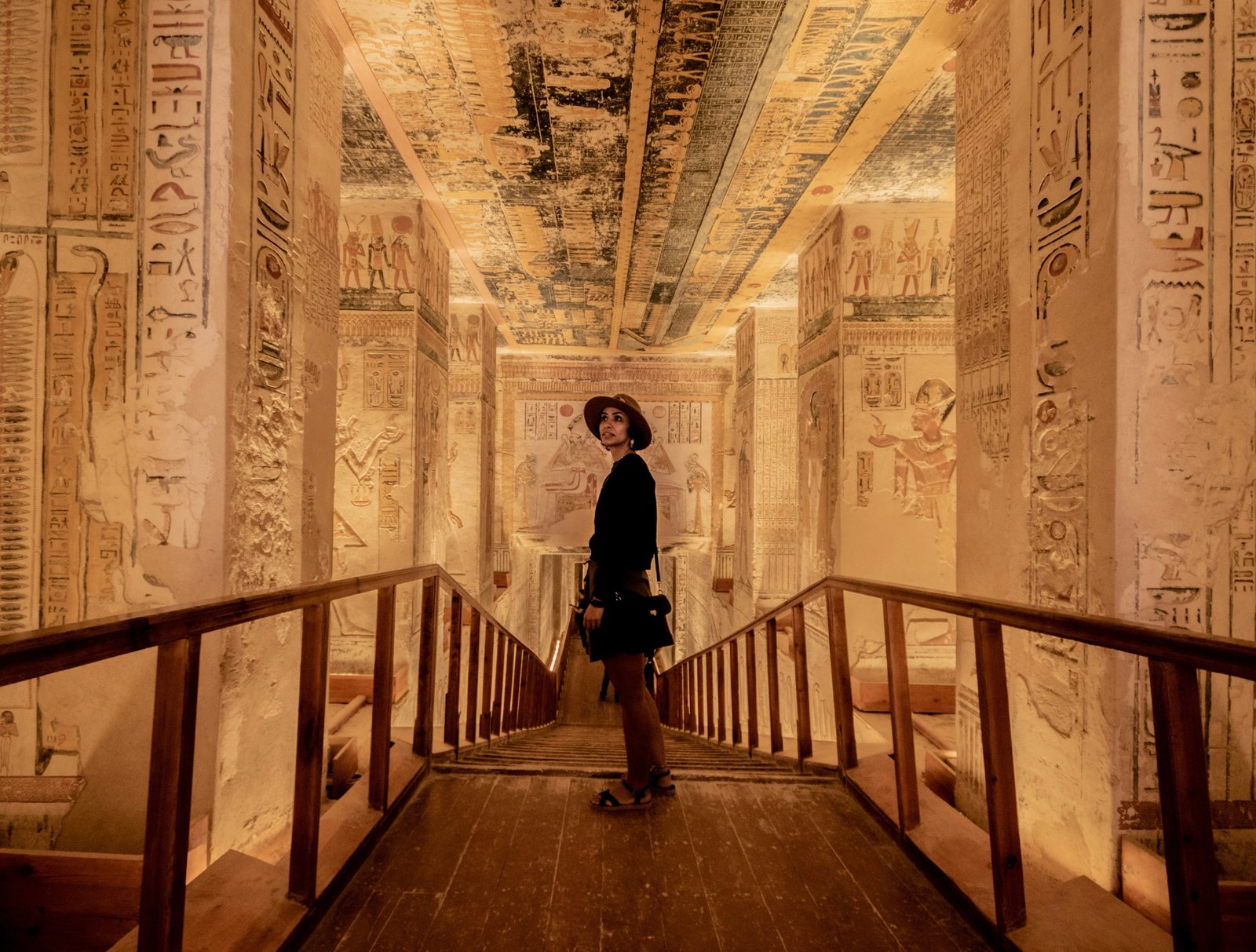
The centrepiece: 134 giant columns, some almost 24 metres tall, once supporting a roof of stone blocks. Standing among them at opening time, with light cutting across the hieroglyphs, is unforgettable.
The Obelisk of Hatshepsut
Still nearly 30 metres tall and carved from a single block of granite, it records the female pharaoh who commissioned it. Look for the contrast in relief carving between her work and later rulers'.
The Sacred Lake and the scarab
A vast artificial lake where priests purified themselves. Beside it sits a giant granite scarab — a favourite photo spot and a symbol of rebirth.
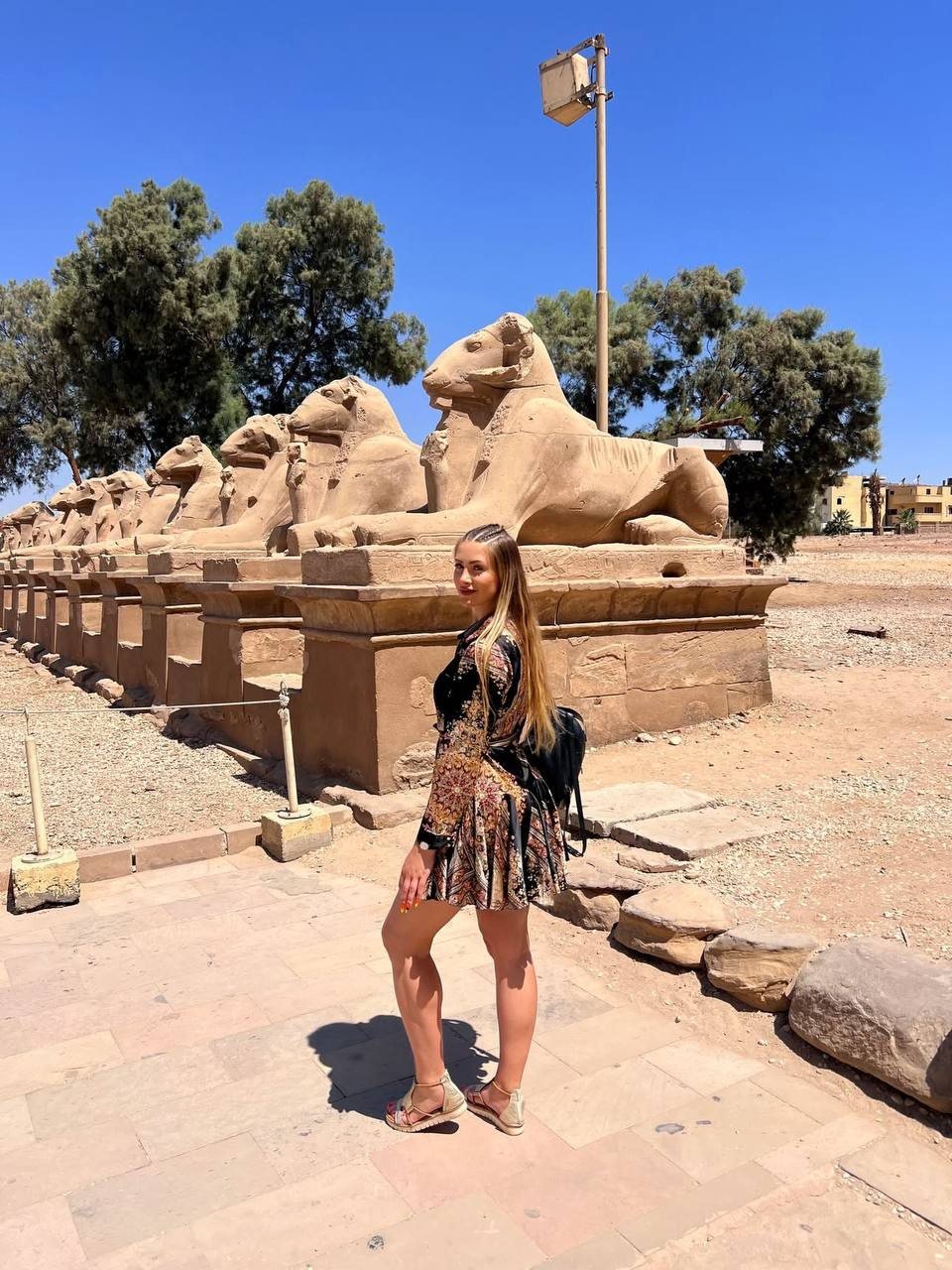
The Avenue of Sphinxes
The ceremonial road once linked Karnak to Luxor Temple. Sections have been restored and are now walkable, especially atmospheric in the late afternoon.
How to visit Karnak
Go early. Doors open in the morning; arriving at opening gives you cooler air and far fewer people.
Allow two to three hours. More if you want to explore the smaller sanctuaries.
Evenings. The sound and light show brings the site to life after dark.
Guide or audio guide. Karnak has very little signage; context transforms the visit.
Karnak vs Luxor Temple
They are different experiences. Karnak is a vast complex to explore on foot; Luxor Temple, in the city centre, is more compact and magical when floodlit at night. Try to see both.
Nearby highlights in Luxor
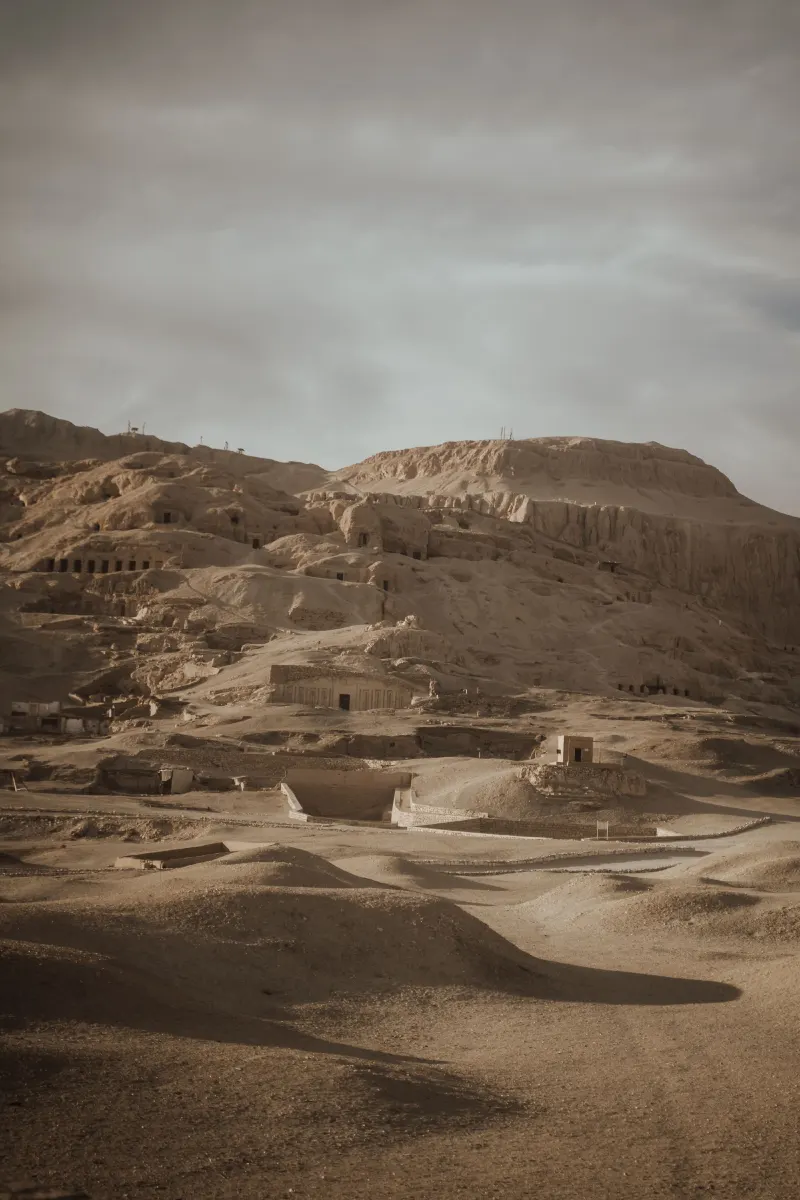
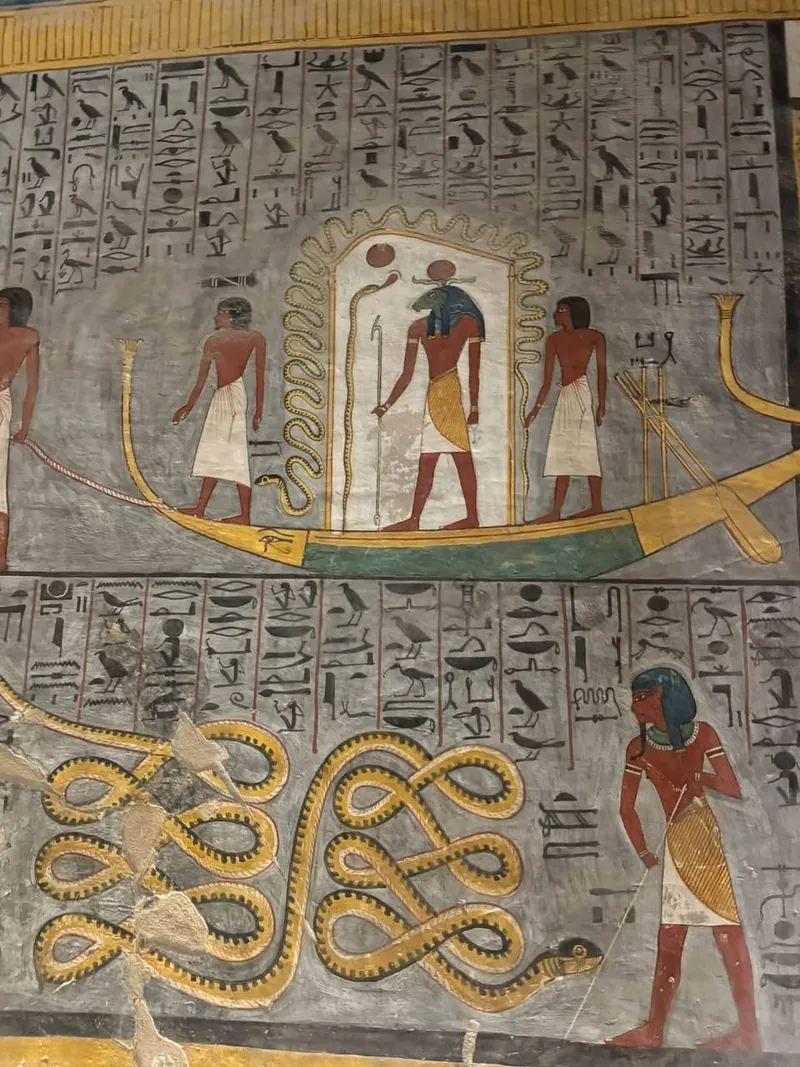
Valley of the Kings — the royal tombs on the west bank.
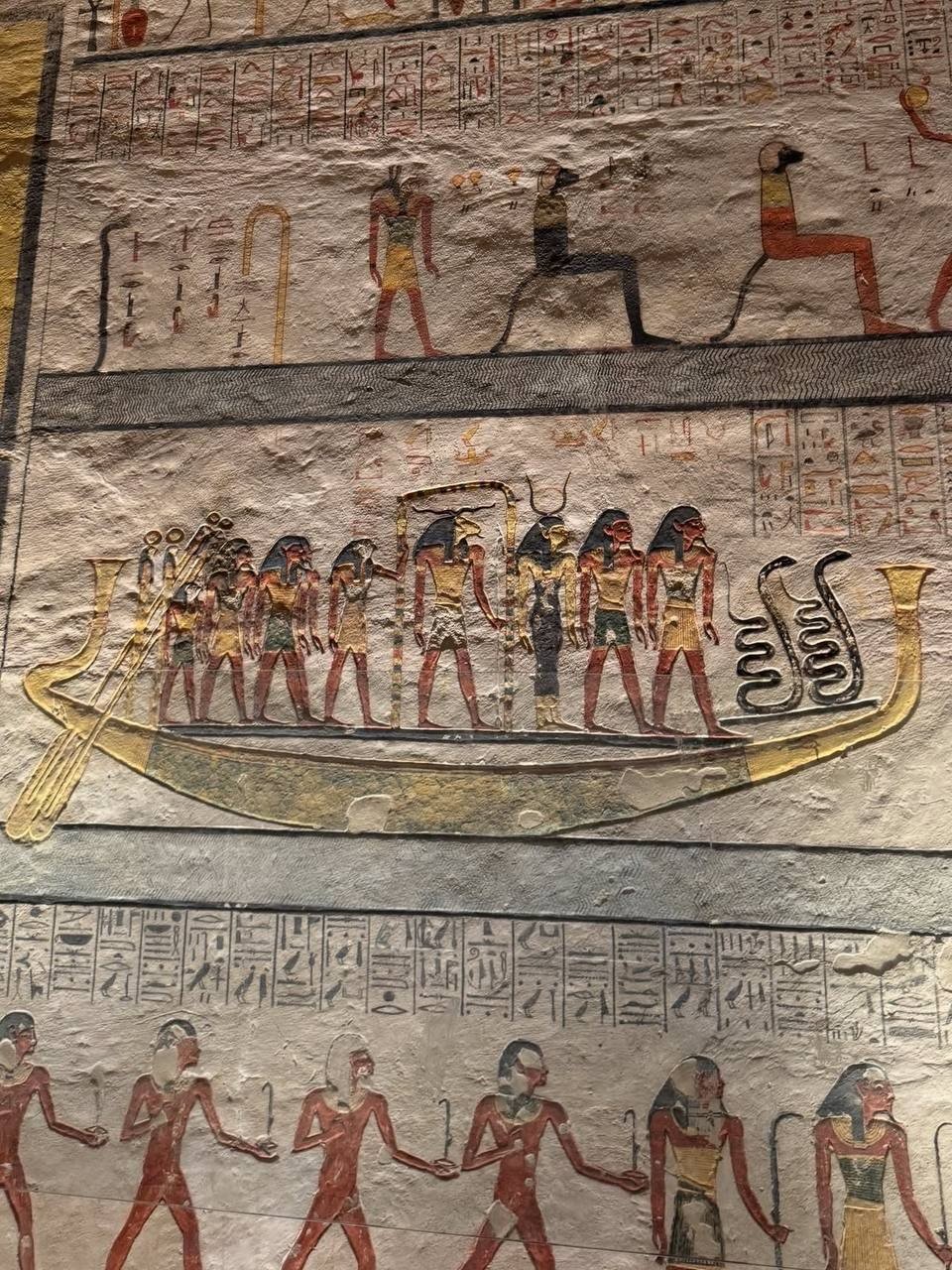
Painted tomb wall, Valley of the Kings. Photo: Egypt Rest Tours. Kom Ombo and Edfu — the Nile temple route south of Luxor.
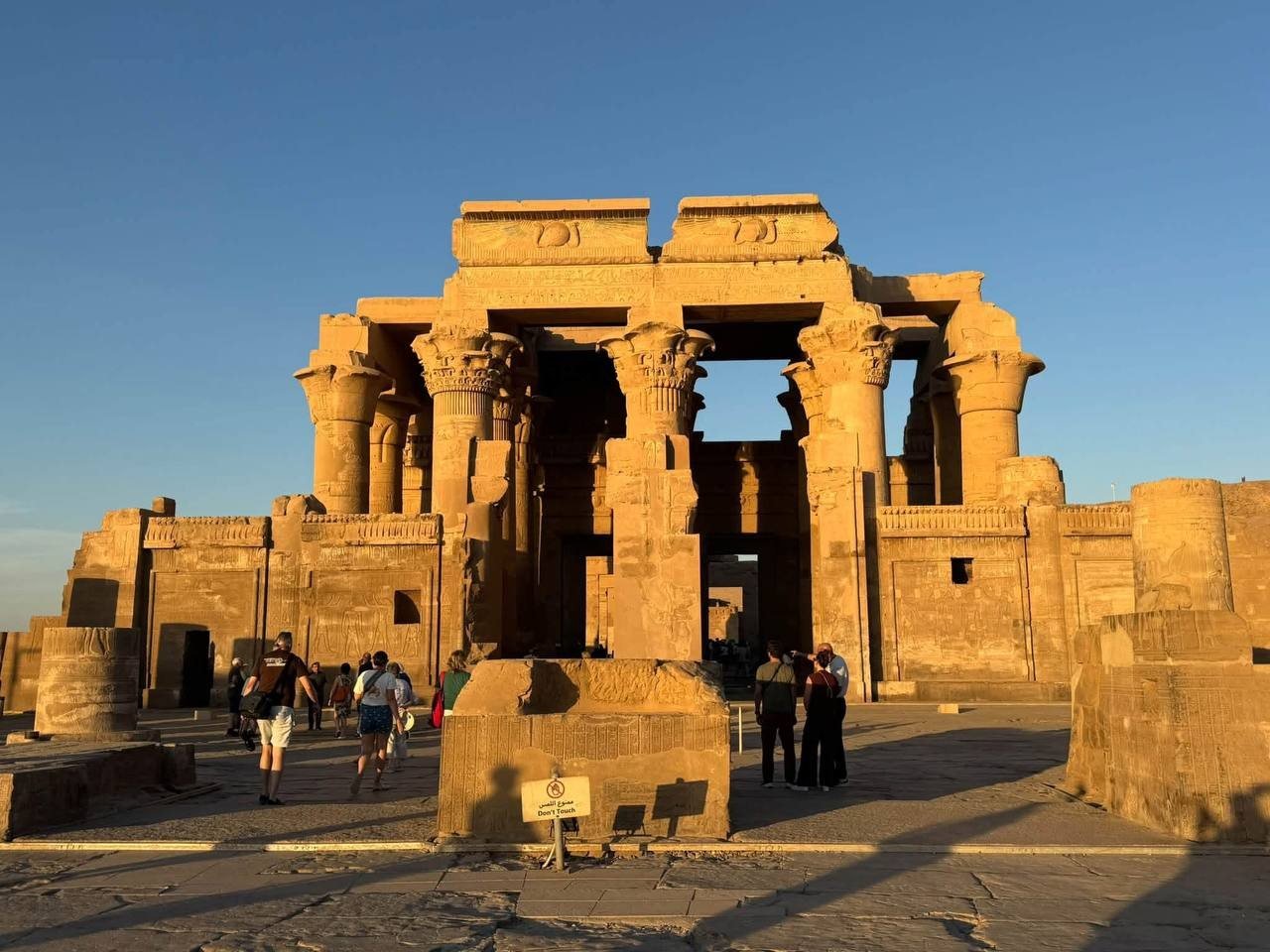
Kom Ombo Temple at sunset. Photo: Egypt Rest Tours. Hot air balloon over Luxor — a sunrise flight over the west bank.
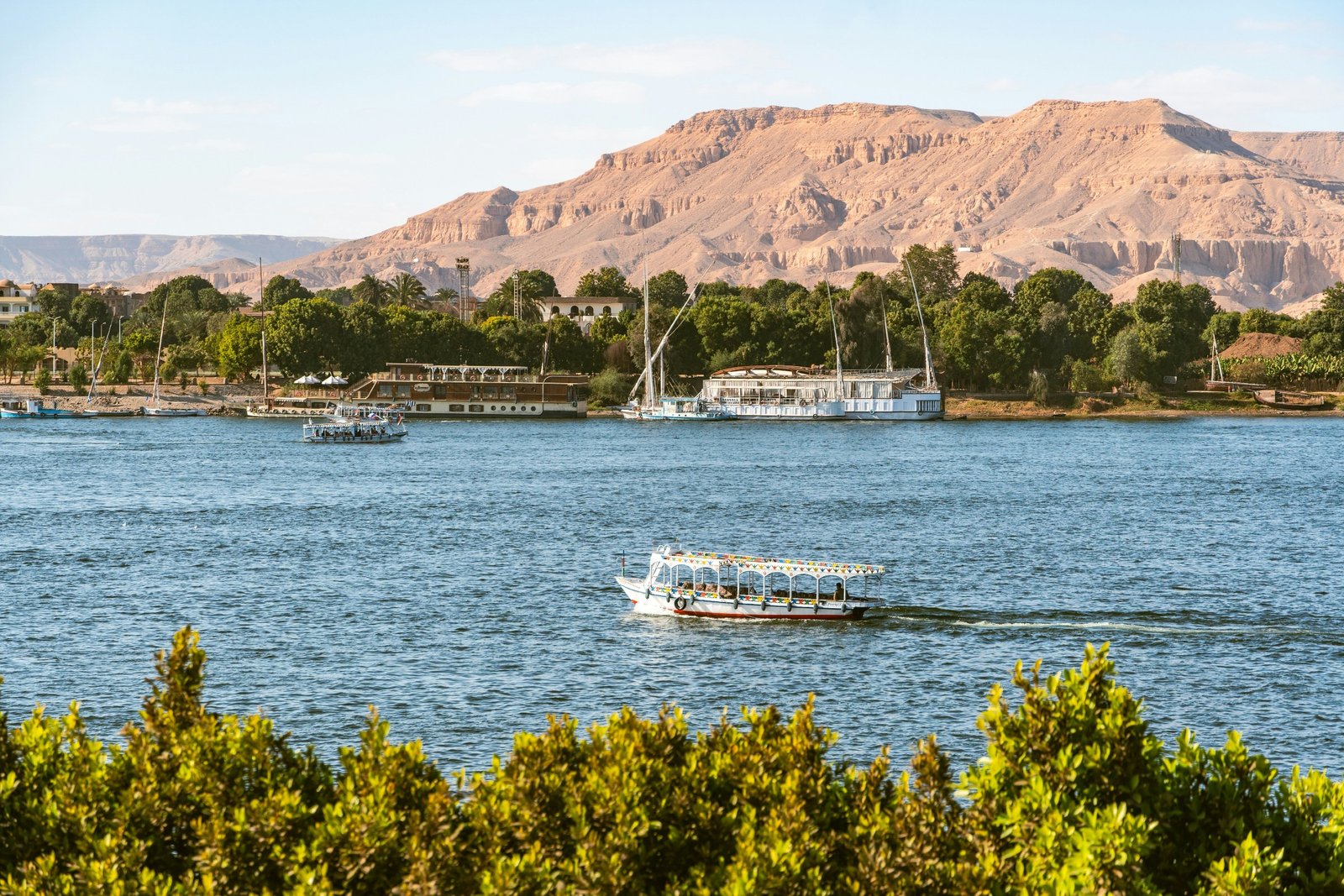
A felucca ride on the Nile — the classic way to slow down.
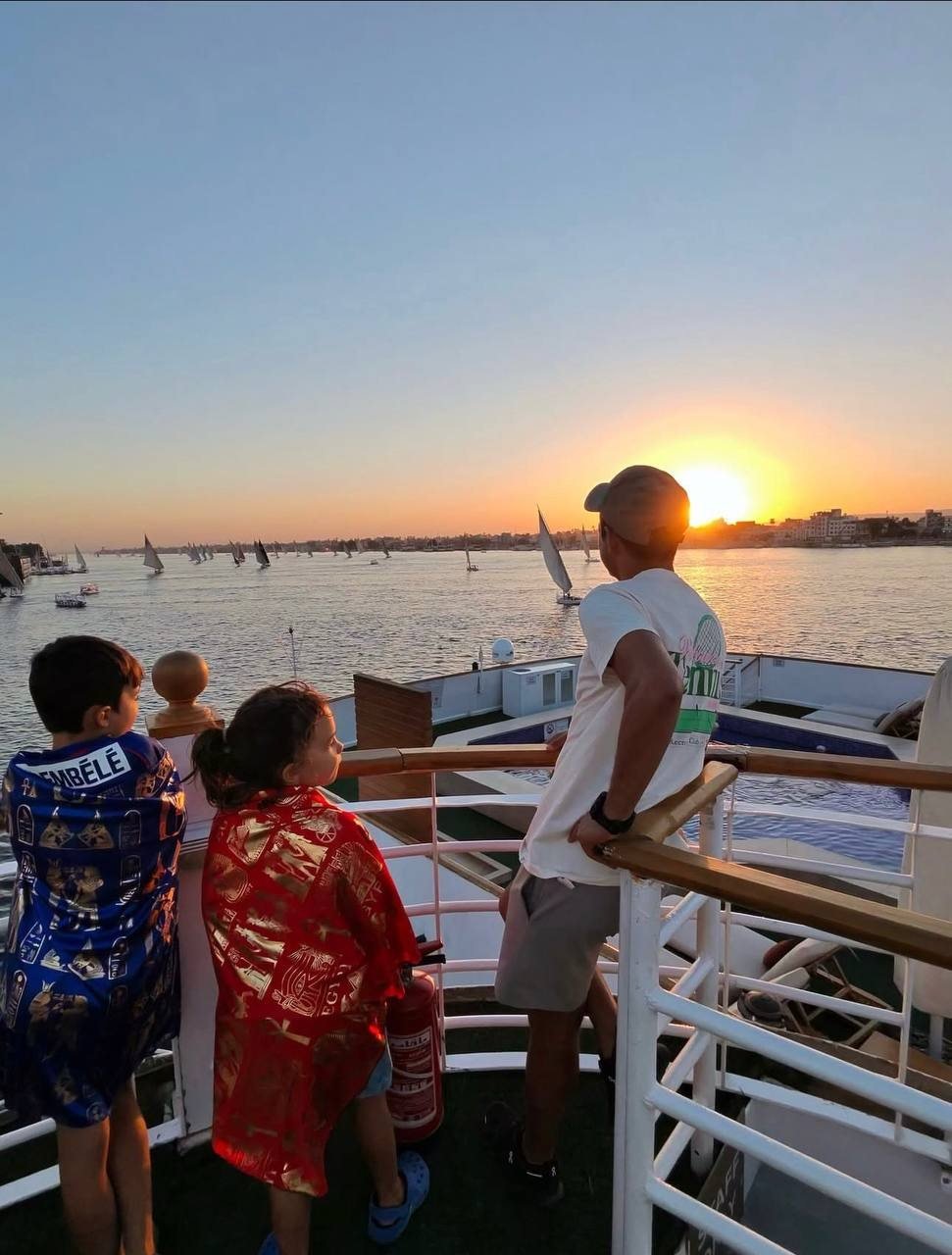
Sunset from a Nile cruise deck. Photo: Egypt Rest Tours. Nile cruises — Luxor to Aswan on the river.
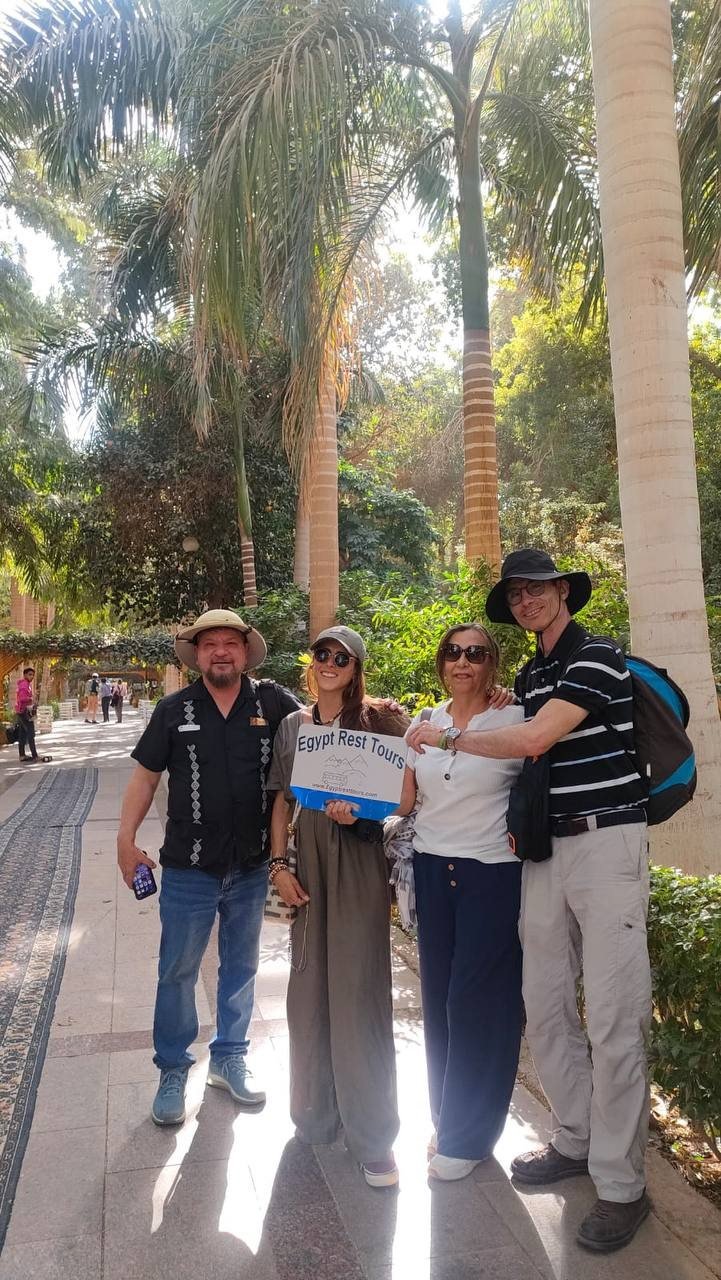
Aswan Botanical Garden on Kitchener's Island. Photo: Egypt Rest Tours.
Practical tips
Wear a hat and carry water — there is little shade. Combine Karnak with the rest of Luxor across two full days, and check our best time to visit Egypt guide for the most comfortable months.
Related Egypt Planning Guides
Continue with these published guides to connect this decision with the wider route:
Turn this into your itinerary
Our Egypt-based specialists can build a private trip around the places in this article.