Egyptian Gods and Temples: A Guide for First-Time Visitors
Recognize Egyptian gods in temple art and connect Horus, Hathor, Amun, Isis and Sobek with the places you can visit in Egypt.
How to recognize a god in an Egyptian temple
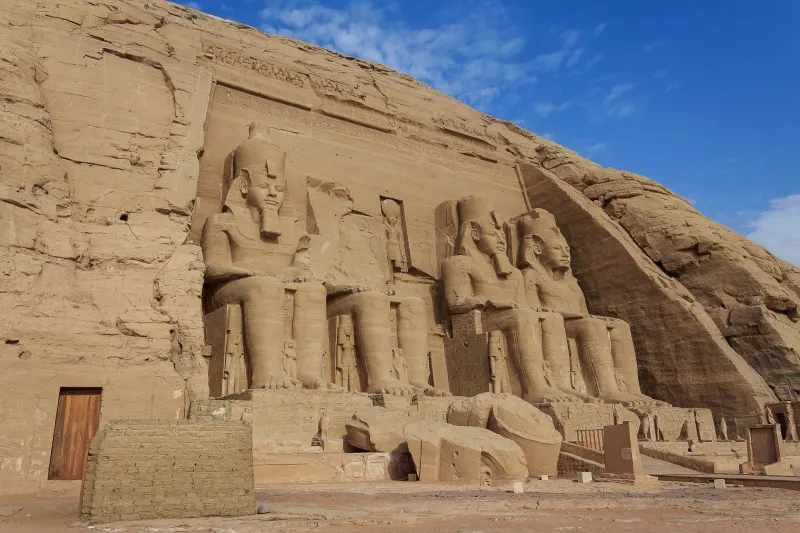
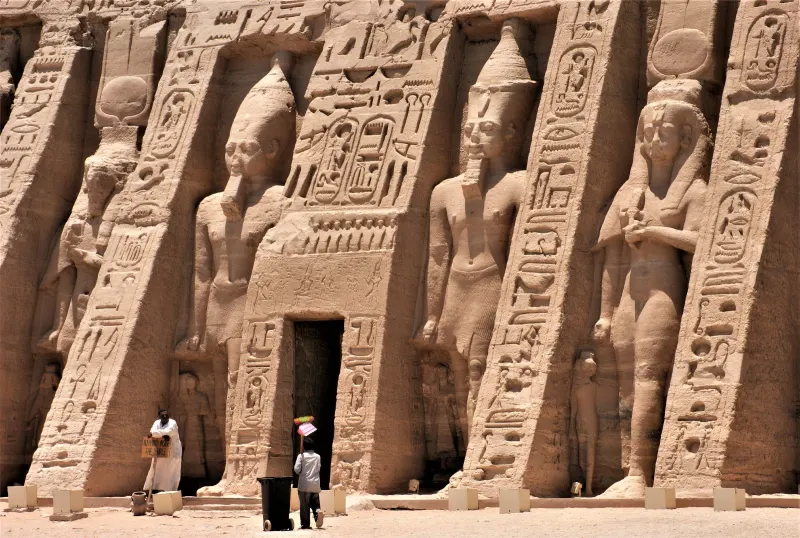
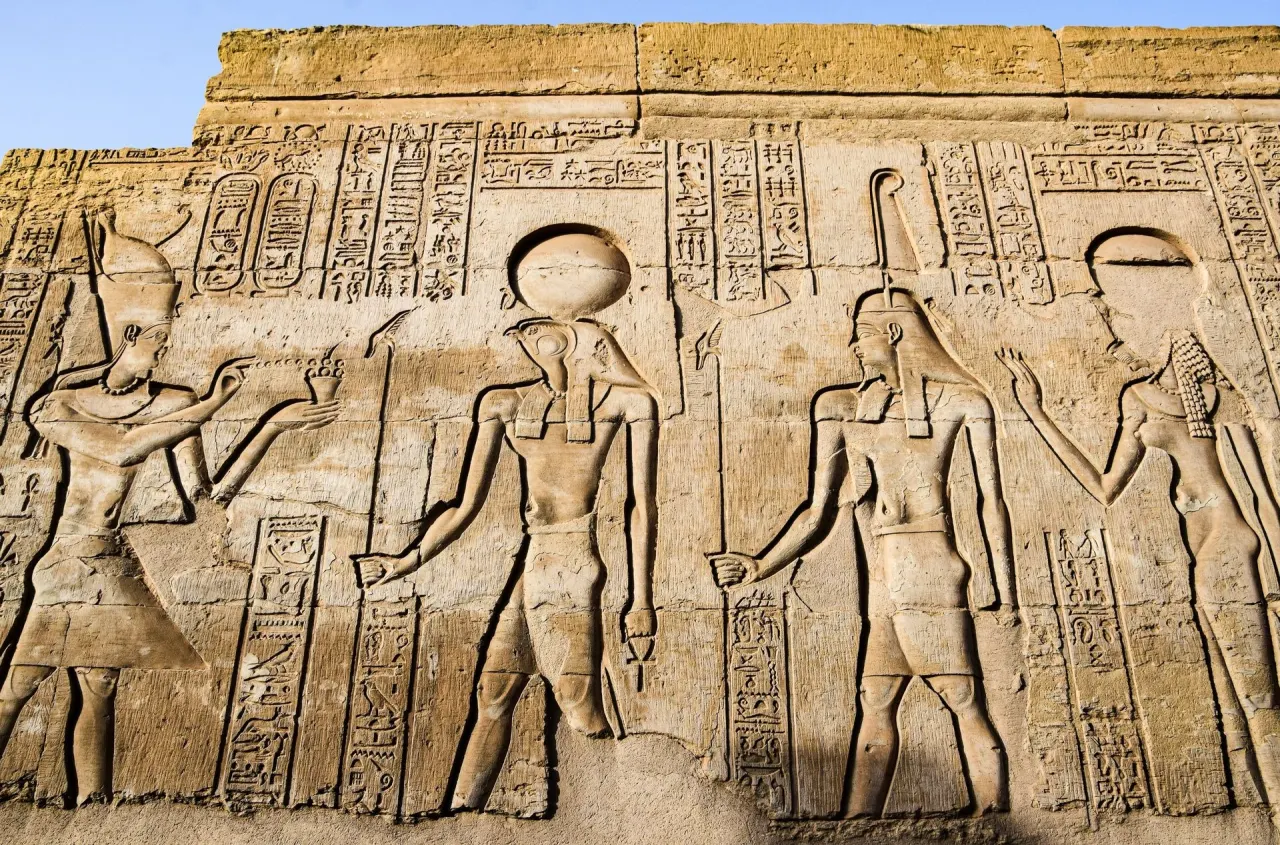
Begin with three clues: the place you are visiting, the figure’s attributes and the nearby inscription. A head or crown alone is not always enough. Egyptian gods could appear in several forms, and different deities could share visual features. This guide is a starting point for questions at a temple, rather than a substitute for reading its texts.
Horus: start at Edfu
Horus is closely associated with kingship and falcon imagery. Edfu is a useful place to connect that association with a major temple. However, the Metropolitan Museum notes that other gods can also appear as falcon-headed men. When you see a falcon-headed figure, ask your guide to use the inscription and the scene’s context to identify it. Avoid labeling every falcon image as Horus.
Hathor: connect the imagery with Dendera
Hathor is strongly associated with Dendera. Cow horns and a sun disk are familiar attributes, but her forms and associations are more varied than a single emblem suggests. Notice where the figure appears within a scene and how other participants interact with her. If Dendera is part of your route, use the visit to follow one named goddess through several representations rather than trying to memorize every symbol.
Amun and the temples of Thebes
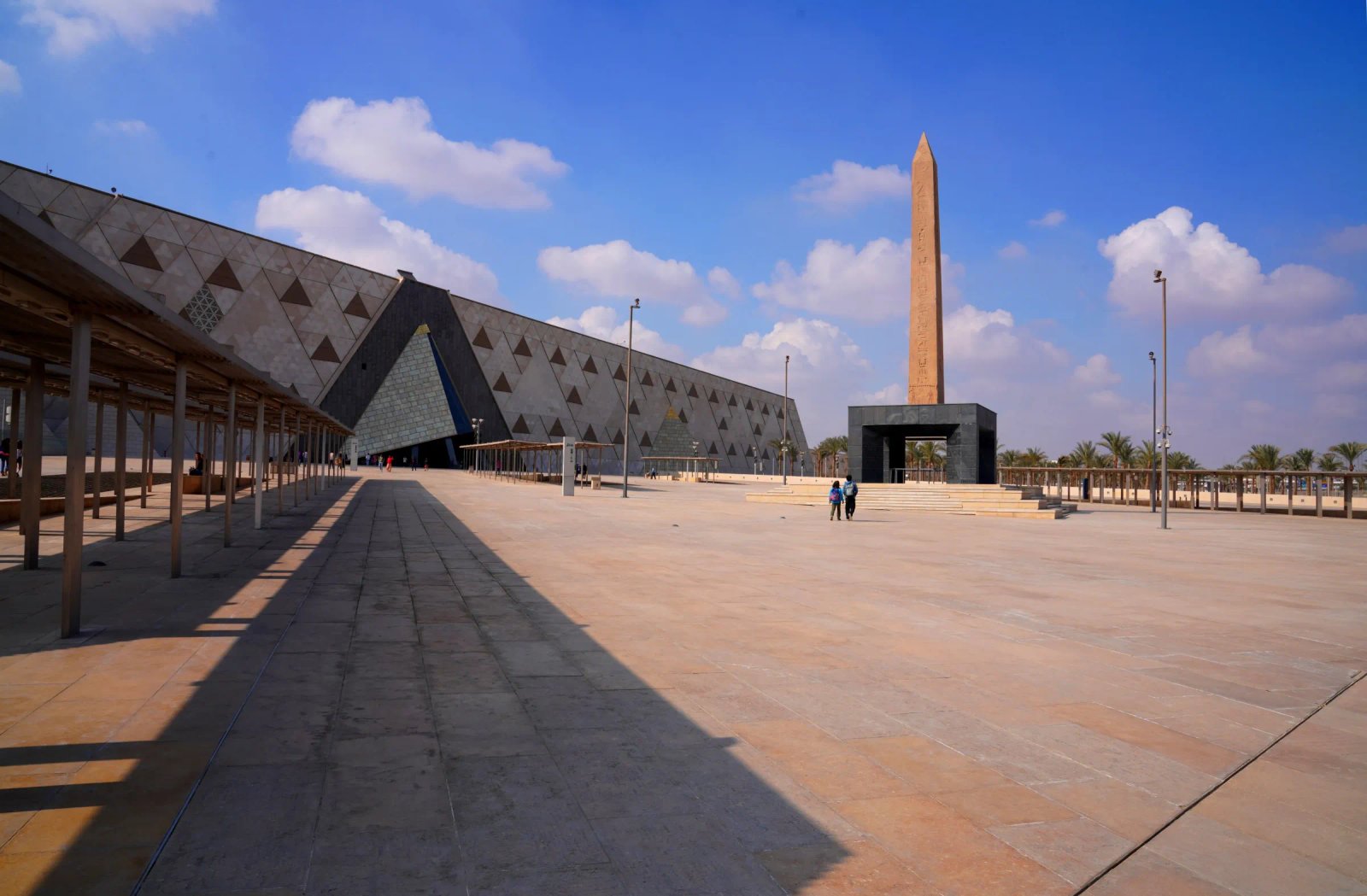
Karnak provides a starting point for understanding Amun’s importance at Thebes. The Grand Egyptian Museum’s record of a colossal statue group of Amun and Mut identifies its original location at Karnak and describes the deities’ crowns and inscriptions. That object is a reminder that identification combines symbols, text and provenance. Read our Karnak Temple guide when planning your visit.
Isis at Philae; Sobek and Horus at Kom Ombo
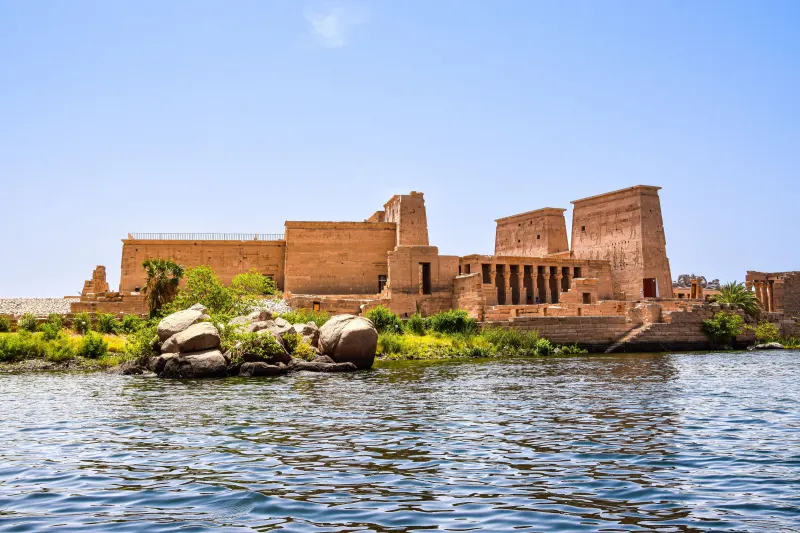
Philae is a major place to explore the worship of Isis. Kom Ombo brings Sobek and Horus into the same temple setting. The relationship between a place and its deities offers a useful framework for comparing stops along the Nile. It does not mean that only one deity appears on every wall. Look for the named figures in a particular scene and ask how they relate to the temple’s main cults.
Read the action as well as the figure
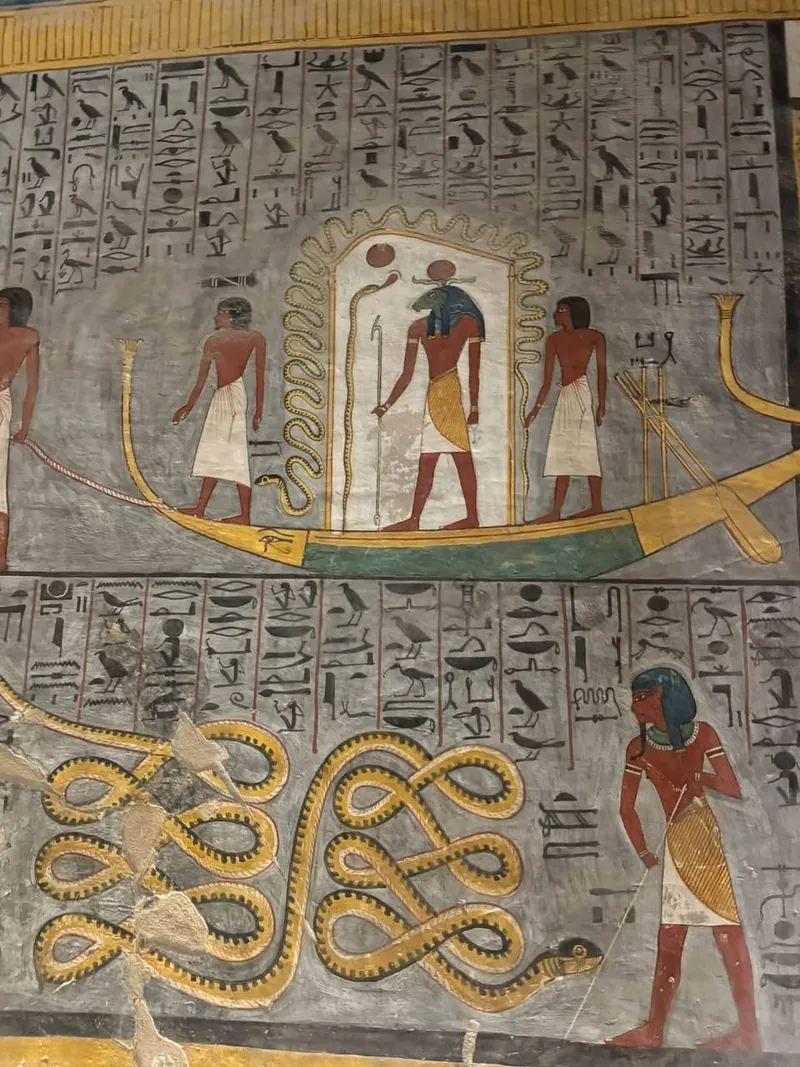
When looking at a temple wall, first identify who faces whom. Is a ruler presenting something, approaching a deity or taking part in a procession? Then look for attributes and accompanying writing. This order makes the composition easier to discuss even if you cannot read hieroglyphs. A scene should not be interpreted solely from an isolated photograph of a head or hand.
Do animal forms mean literal portraits?
The Rosicrucian Egyptian Museum explains divine appearances as symbolic expressions of characteristics. Human, animal and combined forms can communicate different aspects of a deity. A useful question is therefore what a form expresses within a particular scene. Keep that question separate from modern assumptions about what an ancient deity was supposed to physically look like.
Turn the guide into a manageable travel plan
Choose a small number of temples and compare them carefully. A Luxor visit can focus on Karnak; a Nile itinerary may include Edfu, Kom Ombo and Philae depending on the program. Use our Nile cruise collection to compare actual stops. Dendera is a separate excursion and should not be assumed to appear in a standard Luxor–Aswan sailing.
A simple checklist for your next temple
Before leaving a scene, try to answer four questions: where am I, who is represented, what is happening, and which inscription or source supports the identification? If any answer is uncertain, keep it as a question. Photograph the surrounding scene where permitted so that your notes retain their context. Never trace carvings with your fingers or touch painted surfaces.
Sources for further reading
UCL: gods and their places of worship; The Metropolitan Museum of Art: Divine Egypt; Grand Egyptian Museum: Amun and Mut; Rosicrucian Egyptian Museum: deities overview.
Related Egypt Planning Guides
Continue with these published guides to connect this decision with the wider route:
Turn this into your itinerary
Our Egypt-based specialists can build a private trip around the places in this article.