Grand Egyptian Museum (GEM) Visitor Guide
Everything to know before visiting the Grand Egyptian Museum: what to see, how to plan your visit, and why it...
Read more
Luxury Travel, Timeless Egypt
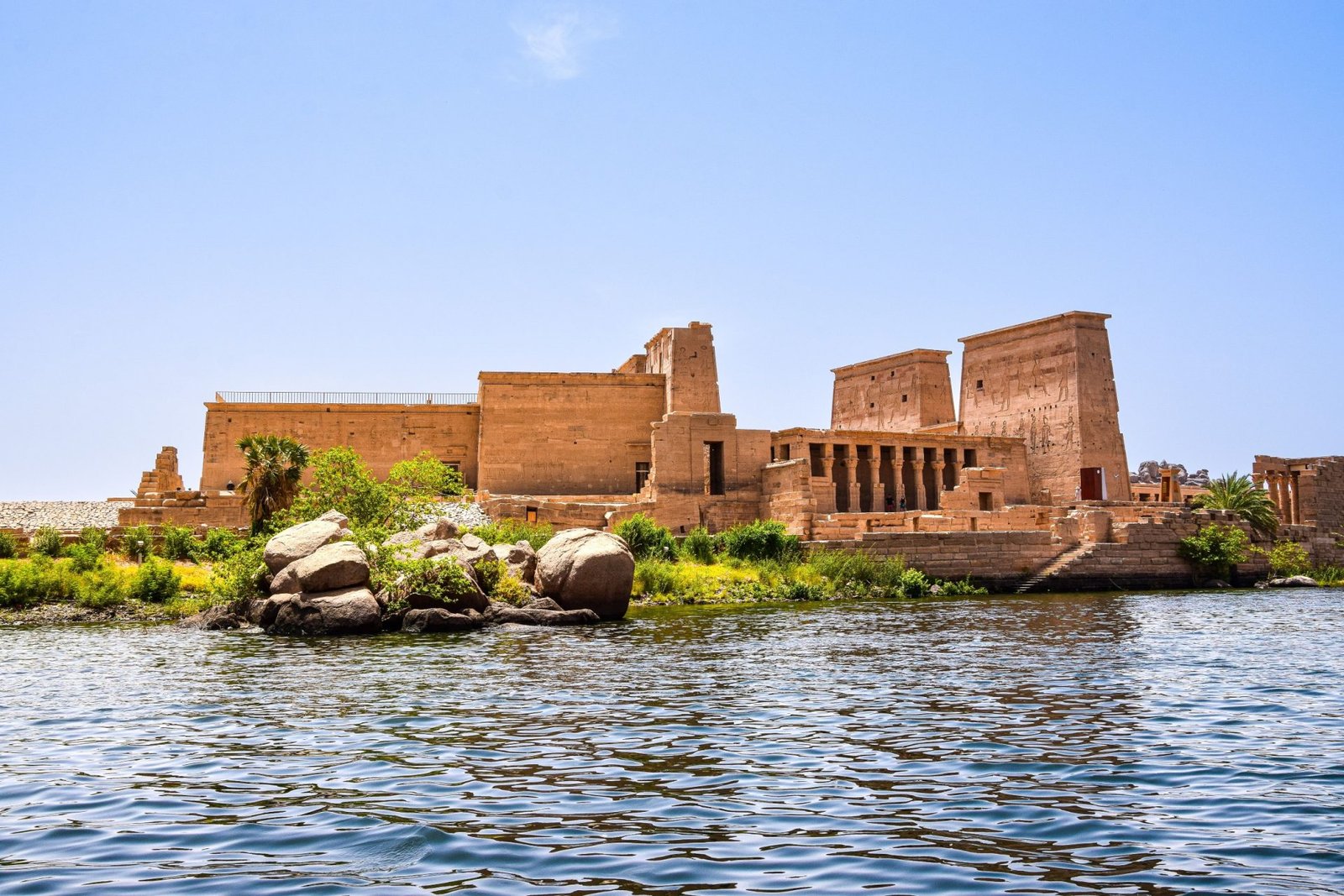
The guide to the three great temples between Aswan and Luxor: Philae's island sanctuary of Isis, Kom Ombo's double temple and Edfu, the best-preserved temple in Egypt.
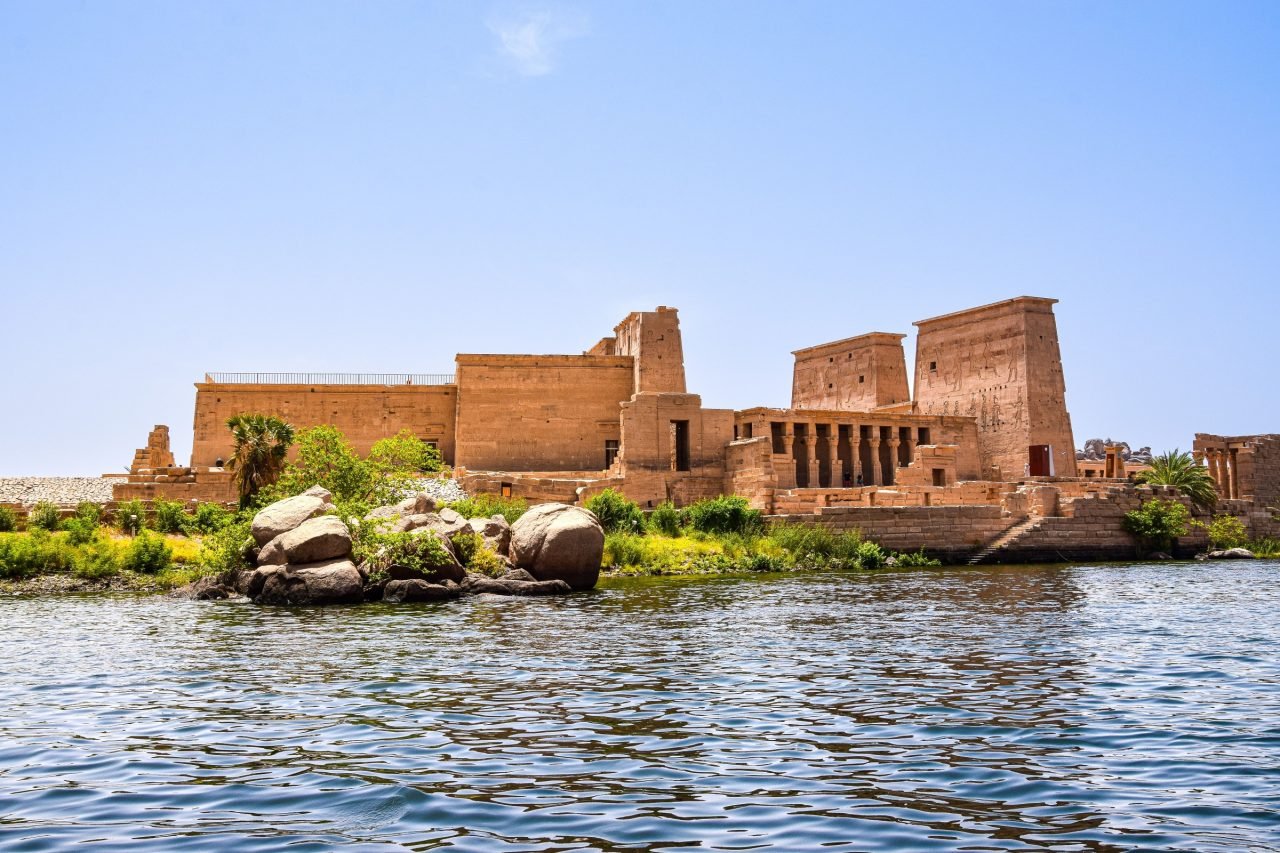
Between Aswan and Luxor the Nile bends through some of the loveliest scenery in Egypt, guarded by three great temples: Philae on its island, Kom Ombo on its river bluff, and Edfu, the most complete temple in the country.
Nile cruises call at all three; for travelers making the journey overland, a private Aswan-to-Luxor day tour links them in one seamless drive. Here is what each offers.
Philae sailed into legend when it was dismantled and rebuilt on higher ground to escape Lake Nasser. Reached by motorboat through papyrus-fringed water, the Temple of Isis was the last active temple of ancient Egyptian religion, closed in the 6th century AD. Its pylons, colonnades and the kiosk of Trajan compose one of the most photogenic sites in Egypt.
Kom Ombo is uniquely symmetrical: two parallel halls, sanctuaries and courts, dedicated to Sobek, the crocodile god, and Horus the Elder. The adjacent crocodile museum displays mummified sacred crocodiles, and the walls hold intriguing reliefs of ancient surgical instruments.
Edfu, buried in sand for centuries and thus preserved almost perfectly, is the second-largest temple in Egypt. Dedicated to Horus, its pylon, courts and dark inner chambers are complete enough to read like a manual of temple architecture. Arrive by horse carriage from the river, a charming touch.
The classic order runs south to north: Philae at Aswan, Kom Ombo at 40 kilometers north, Edfu at 110. Cruises visit them across two or three days; a private driving day tours all three between breakfast and sunset, ending in Luxor.
Explore these Egypt Rest Tours experiences related to this guide:
Yes. A private driving tour from Aswan covers all three comfortably between morning and early evening, ending in Luxor.
It was buried under sand and silt for centuries, which protected it from stone-quarrying and weathering. Its walls, courts and even the sanctuary remain nearly intact.
Sacred crocodiles of Sobek were kept, mummified and buried at the temple; a modern museum beside the temple displays dozens of them.

Everything to know before visiting the Grand Egyptian Museum: what to see, how to plan your visit, and why it...
Read moreA complete guide to the Valley of the Kings: how the valley works, what the tombs are like, which tombs to pri...
Read moreThe complete Karnak Temple guide: the Great Hypostyle Hall, the Avenue of Sphinxes, obelisks and the Sound and...
Read moreTurn inspiration into an itinerary with our travel specialists.