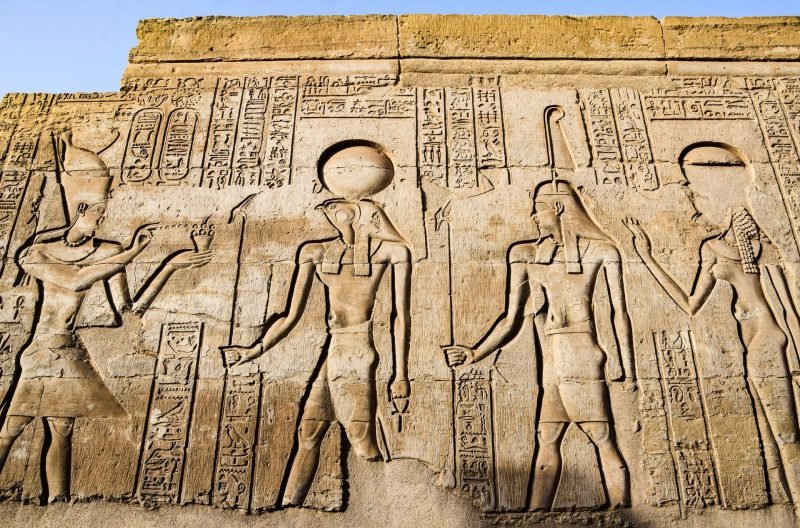
Egyptian Gods and Temples: A Guide for First-Time Visitors
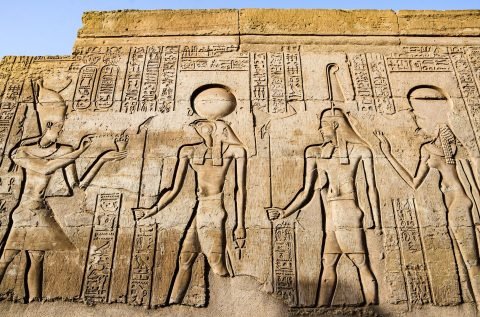
Recognize Egyptian gods in temple art and connect Horus, Hathor, Amun, Isis and Sobek with the places you can...
Read more
Luxury Travel, Timeless Egypt
Contact Info
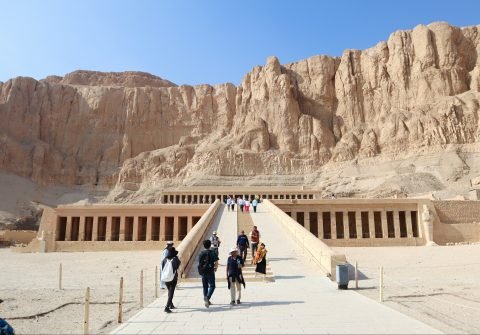
Explore Hatshepsut Temple in Luxor: terraces, royal statues, reliefs and practical advice for combining the visit with other West Bank sites.
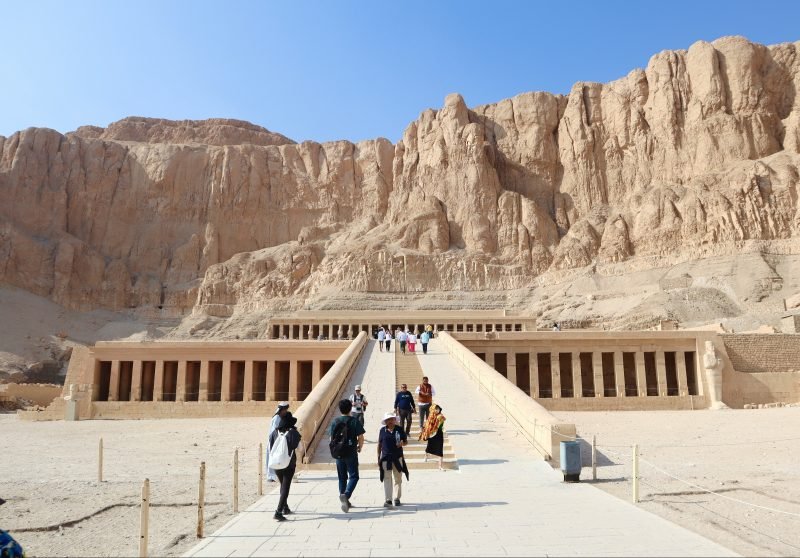
Hatshepsut Temple is a royal mortuary temple at Deir el-Bahari on Luxor’s West Bank. Its long horizontal colonnades sit against a steep cliff, creating a very different experience from the enclosed royal tombs nearby. If you want to understand what you are looking at, follow the terraces, examine the royal images and ask your guide to explain a specific relief rather than treating the building as a single photograph.

Hatshepsut ruled as a pharaoh during Egypt’s Eighteenth Dynasty. Her temple expresses royal authority through architecture and religious imagery. Royal statues are therefore evidence of how she presented her rule, rather than straightforward portraits of everyday appearance. Her reign also saw trade with Punt; scenes associated with that expedition are among the temple’s best-known subjects. Some images and names were later attacked. The reason for that destruction should not be reduced to an unsupported story about personal jealousy.
Before moving up, look at the alignment of ramps, terraces and rows of columns. The Ministry of Tourism and Antiquities describes a three-level design facing Karnak across the Nile. This first viewpoint makes the overall plan easier to understand than photographs taken close to a single column. Keep the main walking route clear while taking pictures, and avoid walking backwards toward steps to fit the building into your frame.
Once closer to the colonnades, choose a few details to examine carefully: the treatment of the king’s body, the relationship between figures and inscriptions, and the difference between surviving carved surfaces and restored areas. At the upper level, royal statues in Osirian form connect kingship with the divine. Ask your guide to identify the figure and explain the evidence instead of guessing from a damaged face. Access to particular areas should be checked during your visit.
Temple reliefs communicate religious and royal ideas. When looking at the Punt scenes, ask which details belong to the expedition narrative and what the composition says about Hatshepsut’s authority. A photograph of the complete scene is more useful for later reference than an isolated symbol with no context. Follow current photography rules and avoid touching carved or painted surfaces.
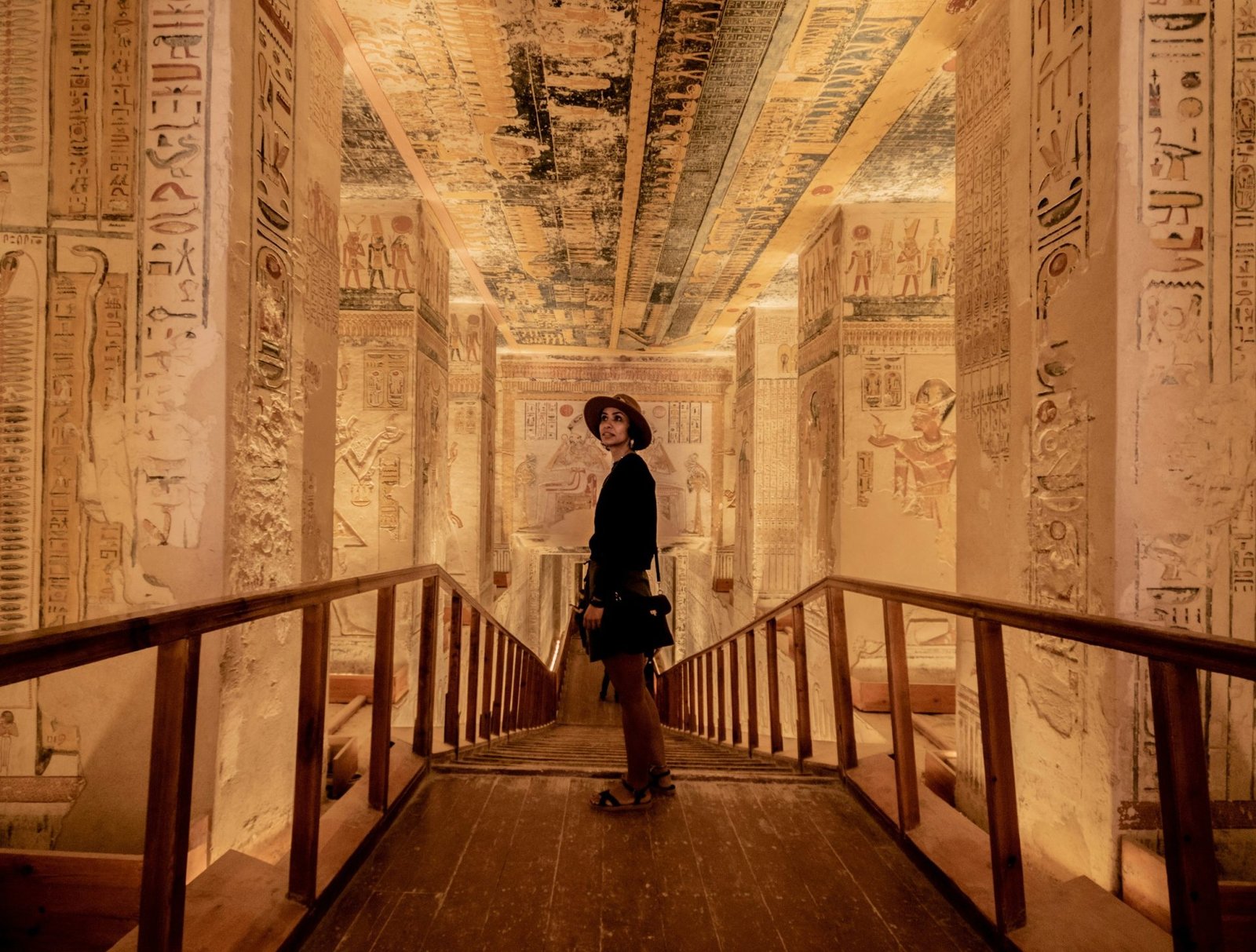
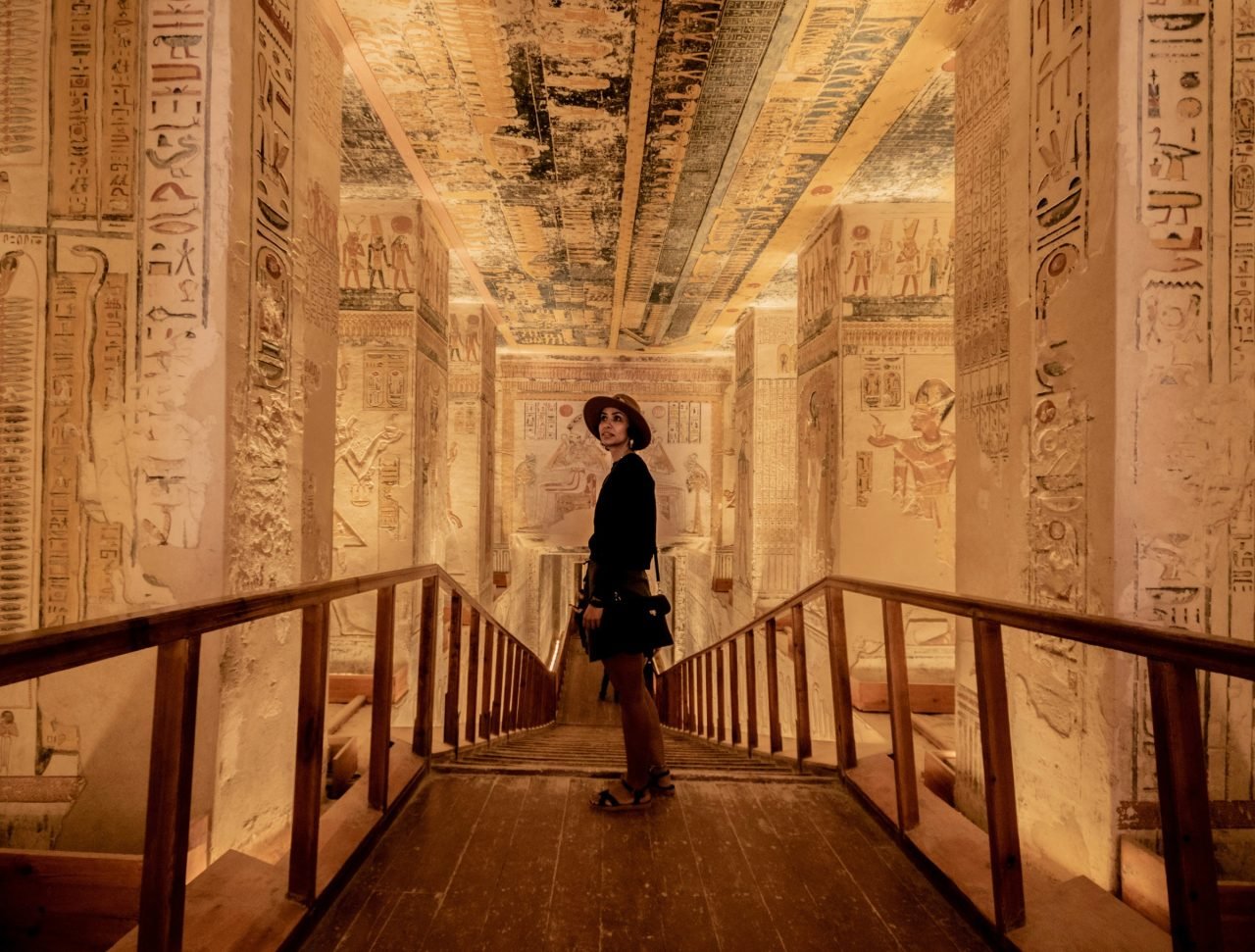
Pair it with the Valley of the Kings for a contrast between royal commemoration and burial spaces. The Colossi of Memnon can also form part of a planned West Bank route. Choose the number of stops according to your pace: travel, entry procedures, walking and explanation all need room in the day. For a wider plan, use our Luxor travel guide.
Our private Luxor day trip from Hurghada includes Hatshepsut Temple among its listed stops. The two-day Luxor and felucca itinerary spreads the sightseeing across an overnight stay. Compare the full route and inclusions before choosing; do not assume that a separate tomb ticket is covered by temple admission.
Confirm current tickets, opening arrangements and accessible routes for your date. The visit involves exposed outdoor areas and changes in level, so bring sun protection and comfortable footwear. If stairs or prolonged walking are difficult, explain your needs when requesting a route. This guide deliberately does not quote a fixed ticket price or promise access to every area.
No. Hatshepsut Temple and the Valley of the Kings are separate West Bank sites with different functions. Check the admission arrangements for each. A tour listing one does not automatically include the other.
Egyptian Ministry of Tourism and Antiquities: Hatshepsut Temple; The Metropolitan Museum of Art: Hatshepsut.
Recognize Egyptian gods in temple art and connect Horus, Hathor, Amun, Isis and Sobek with the places you can...
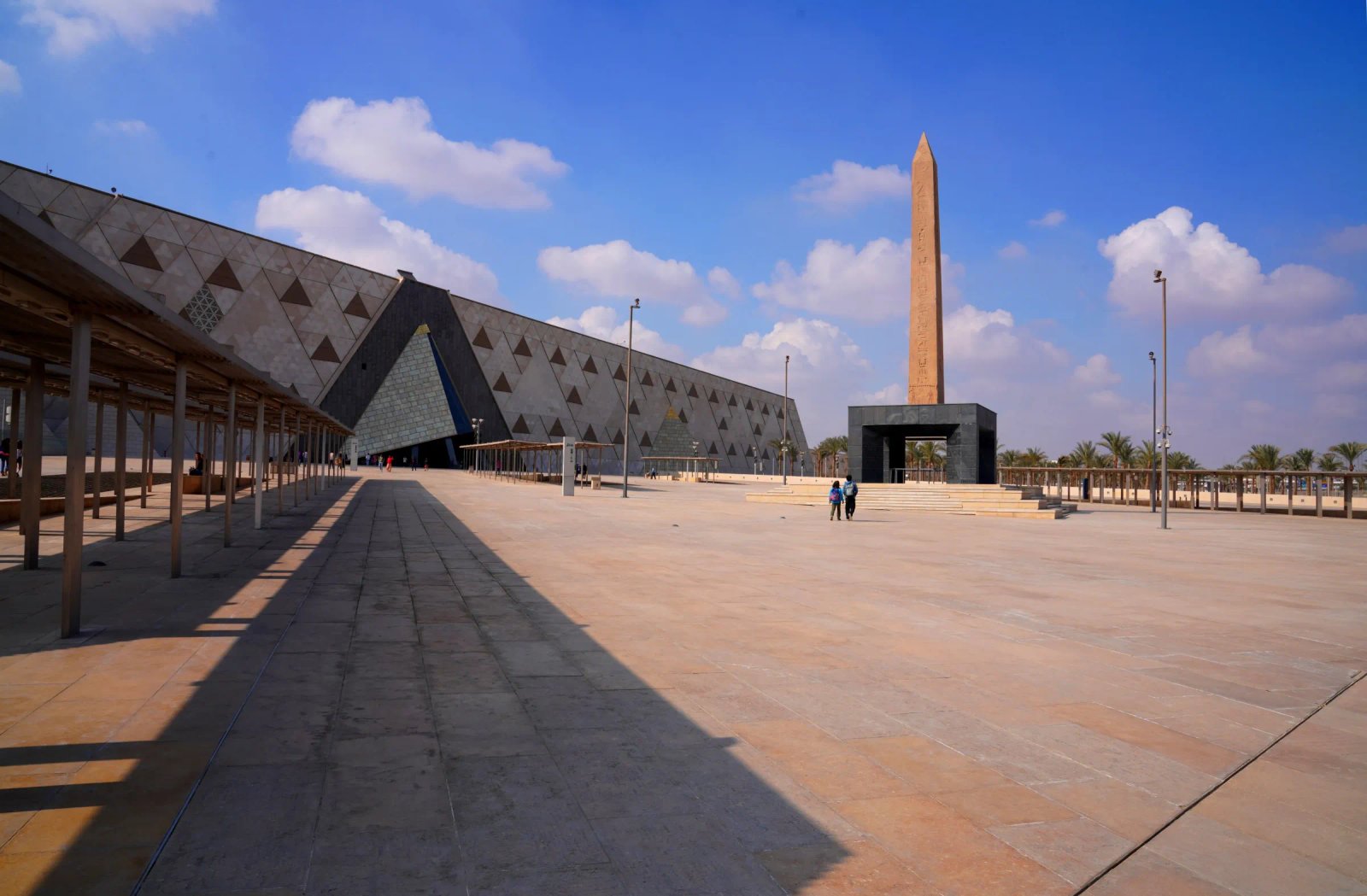
Read morePlan a visit to the Grand Egyptian Museum near Giza: check official tickets and entry information, allow time...
Read morePlan a visit to the Valley of the Kings in Luxor: what to expect, how to choose tombs, what to verify about ti...
Read moreTurn inspiration into an itinerary with our travel specialists.