Palaces in Cairo: The Complete Guide
Cairo's royal palaces, from the Manial Palace museum on Roda Island to Beshtak Palace on Al-Muizz Street, Abde...
Read more
Luxury Travel, Timeless Egypt
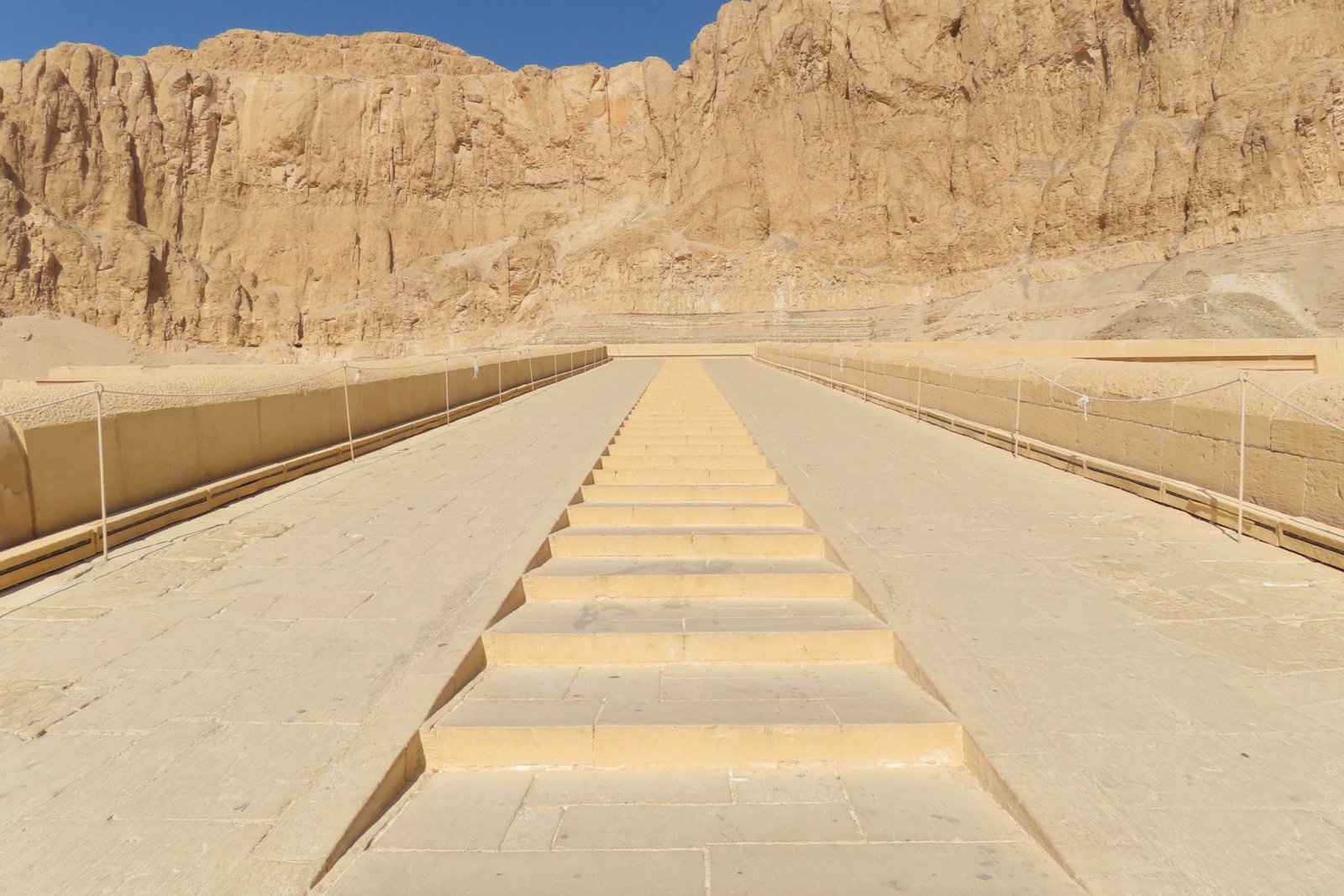
A complete Luxor travel guide covering Karnak, Luxor Temple, the Valley of the Kings, Hatshepsut, balloon rides and how to split your time between the two banks of the Nile.
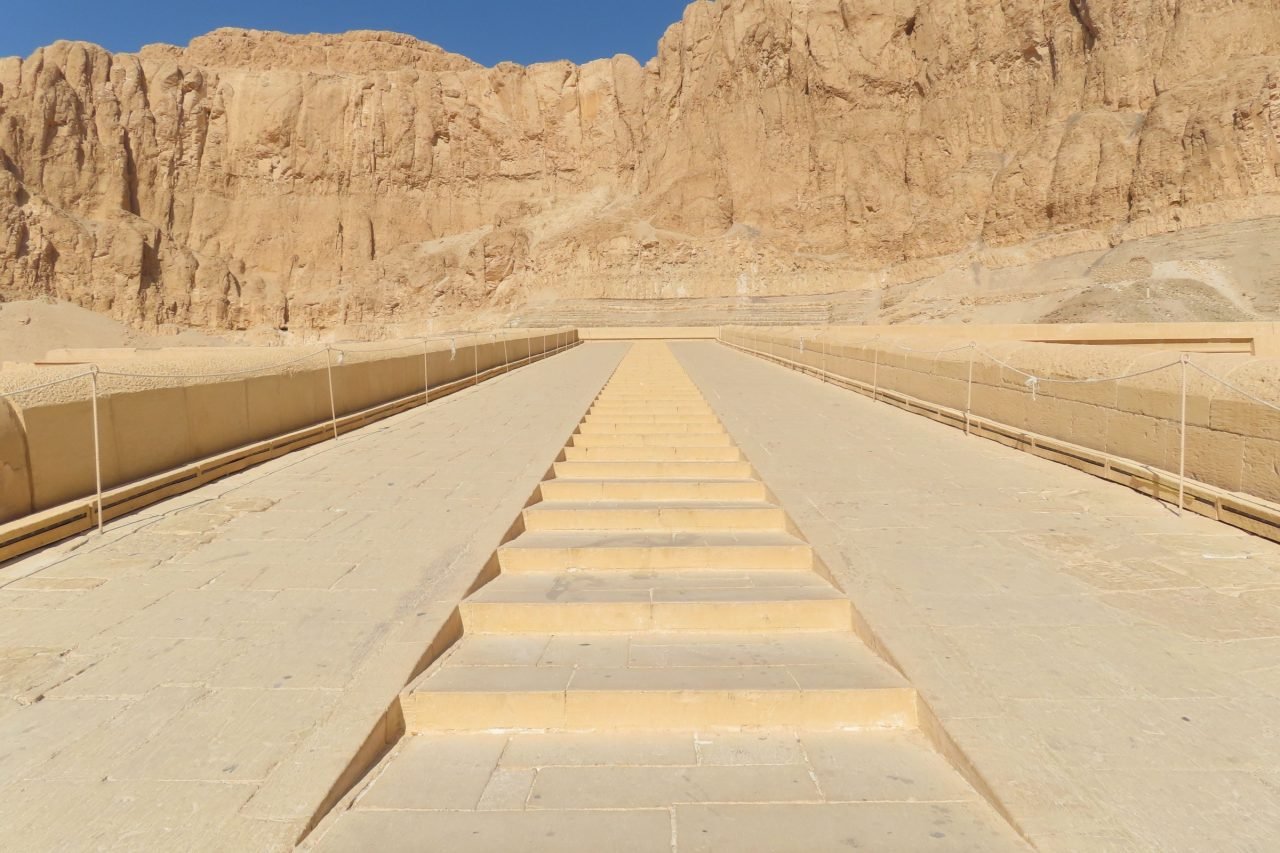
Ancient Thebes, modern Luxor holds the greatest concentration of monuments anywhere on Earth. On the East Bank of the Nile stand the temples of the living, Karnak and Luxor Temple; on the West Bank, the city of the dead hides royal tombs in desert valleys and the terraced temple of Queen Hatshepsut.
Two full days is the sweet spot for Luxor: one for each bank, ideally with a sunrise balloon flight over the whole landscape. This guide breaks down what to see and how to plan it.
Karnak is the largest religious complex of the ancient world, built and expanded over 2,000 years. Walk the Avenue of Sphinxes, the Great Hypostyle Hall with its 134 columns, and the obelisks of Hatshepsut. Luxor Temple, in the heart of town, is at its magical best in the late afternoon and evening when the stones glow.
Across the river, the West Bank holds the Valley of the Kings with its painted royal tombs, the terraced Temple of Hatshepsut at Deir El-Bahari, the Colossi of Memnon, the Valley of the Queens, the workmen's village of Deir El-Medina and the painted walls of Medinet Habu.
Start early, the West Bank has little shade, and pair your visit with a guide who can bring the tomb paintings to life.
A sunrise balloon flight is one of Egypt's signature experiences, lifting off before dawn and drifting over green fields, villages and the temples of the West Bank as the sun rises. Flights last about 45 minutes and are weather dependent; they are easily added to an overnight Luxor stay.
End a day of temple-hopping with a traditional felucca sail. The river breeze, the glimpse of banana-plantation islands and the hills of the West Bank at sunset are the perfect Luxor evening.
Two full days covers the essentials comfortably: East Bank and a felucca on day one, balloon and West Bank on day two. With three days you can add Dendera and Abydos, two remarkable temples north of the city.
Explore these Egypt Rest Tours experiences related to this guide:
Luxor was ancient Thebes, capital of Egypt at its imperial height. It holds Karnak, Luxor Temple, the Valley of the Kings and countless other monuments, the largest open-air museum in the world.
Yes. An overnight stay lets you add the sunrise balloon, see both banks without rushing and enjoy Luxor's corniche in the evening. Our two-day tours from Cairo include 4-star accommodation.
A one-hour flight from Cairo, a Nile cruise from Aswan, or road trips from Hurghada and Marsa Alam. We arrange all of these as organized tours with guides.

Cairo's royal palaces, from the Manial Palace museum on Roda Island to Beshtak Palace on Al-Muizz Street, Abde...
Read moreThe complete Cairo travel guide: the Pyramids, the Grand Egyptian Museum, Islamic and Coptic Cairo, Khan El Kh...
Read moreEverything you need to plan a visit to the Pyramids of Giza: what to see, ticket options, the best time of day...
Read moreTurn inspiration into an itinerary with our travel specialists.