Grand Egyptian Museum (GEM) Visitor Guide
Everything to know before visiting the Grand Egyptian Museum: what to see, how to plan your visit, and why it...
Read more
Luxury Travel, Timeless Egypt
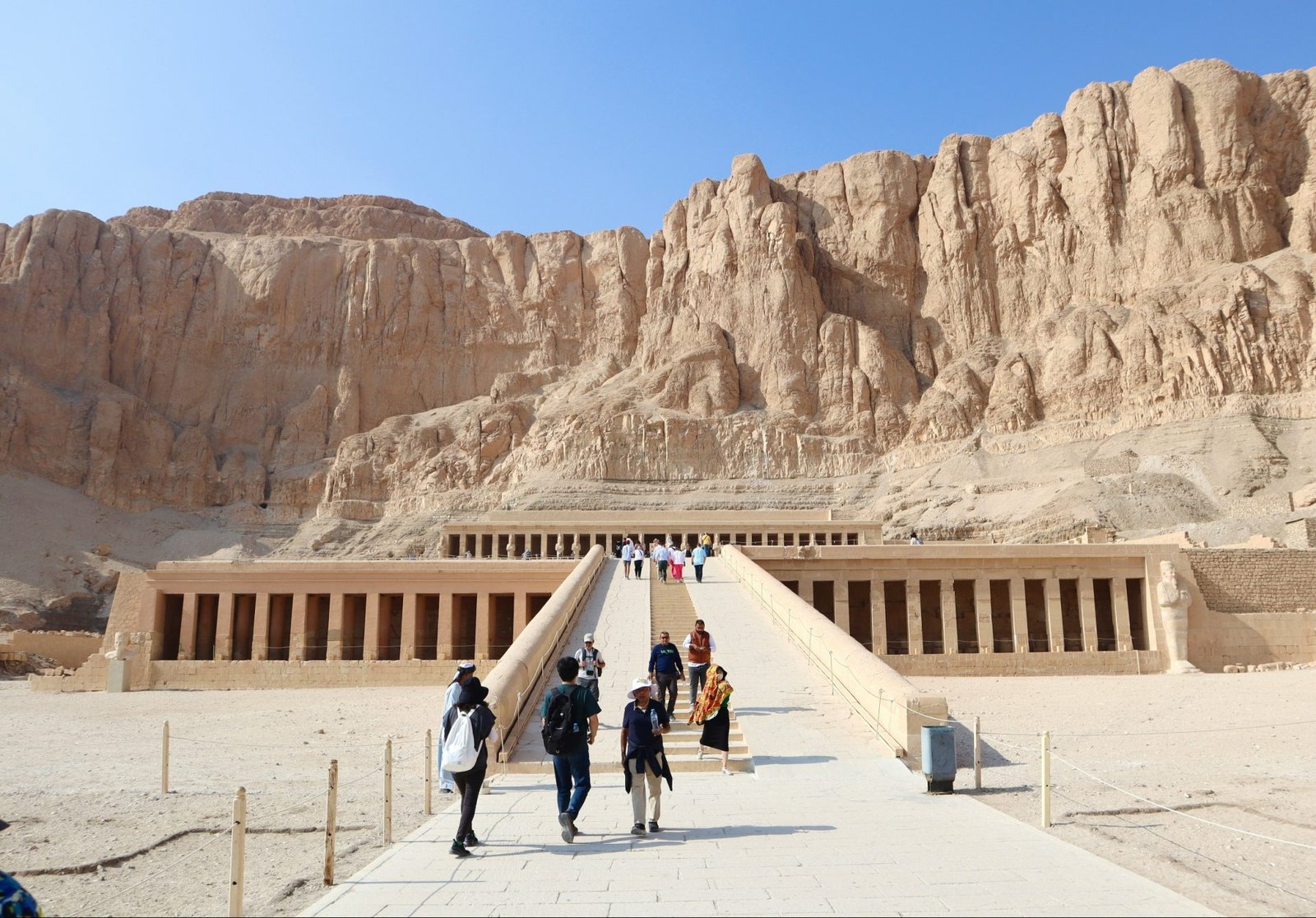
A complete guide to the Valley of the Kings: how the valley works, what the tombs are like, which tombs to prioritize, and how to plan your West Bank visit in Luxor.
For nearly 500 years, from the 16th to the 11th century BC, Egypt's pharaohs were hidden in a sun-scorched valley on the west bank of the Nile at Luxor. Cut deep into the rock, their tombs were filled with everything a king needed for eternity, then sealed and forgotten, until archaeologists began rediscovering them in modern times.
Today the Valley of the Kings is the heart of any Luxor visit. Here is how it works and what not to miss.
The valley holds more than 60 numbered tombs, from simple pits to elaborate corridors descending hundreds of meters into the rock. A standard ticket covers the valley plus entry to several tombs; some of the most spectacular, such as the tomb of Seti I, require separate tickets. Your guide handles tickets and sequencing.
Photography rules vary by tomb and over time, so check before you shoot, and note that the valley has little shade: go early, bring water and a hat.
Every open tomb has something to offer, but some are consistently outstanding:
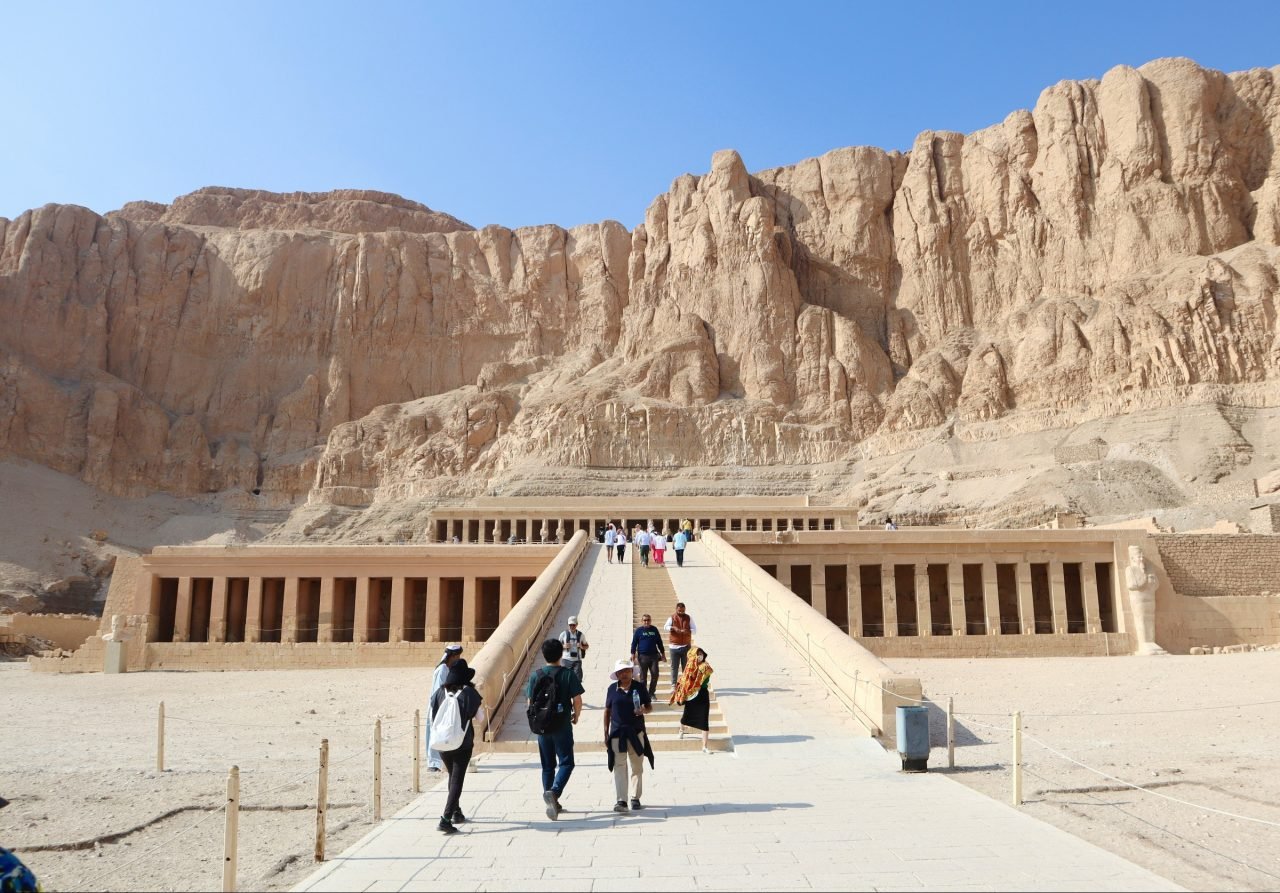
The West Bank surrounds the valley with more wonders: the terraced Temple of Hatshepsut, the Colossi of Memnon, the Valley of the Queens with Nefertari's exquisite tomb, the workmen's village of Deir El-Medina and the painted halls of Medinet Habu. A full West Bank day can combine several of them.
Start at opening time with the Valley of the Kings while the air is cool, then Hatshepsut's temple, the Colossi and, if time allows, the Valley of the Queens or Medinet Habu. Overnight visitors should keep the next morning free for the sunrise balloon, which floats directly over this landscape.
Explore these Egypt Rest Tours experiences related to this guide:
A standard ticket typically includes the valley entrance plus three tombs; additional tombs such as Seti I or Tutankhamun need separate tickets. Rules change periodically, so we confirm current arrangements on your tour.
Discovered intact by Howard Carter in 1922, it was the most complete royal burial ever found, with more than 5,000 objects, now displayed in the Grand Egyptian Museum.
Yes. Our Luxor day tour covers the Valley, Hatshepsut, the Colossi and Karnak with lunch, the classic one-day Luxor itinerary.

Everything to know before visiting the Grand Egyptian Museum: what to see, how to plan your visit, and why it...
Read moreThe complete Karnak Temple guide: the Great Hypostyle Hall, the Avenue of Sphinxes, obelisks and the Sound and...
Read moreWhy Dendera and Abydos are Luxor's best-kept secrets: the Temple of Hathor with its celestial ceiling and the...
Read moreTurn inspiration into an itinerary with our travel specialists.