Cosa vedere al Cairo: guida e itinerario da uno a tre giorni
Organizza la visita al Cairo e a Giza: Piramidi, Grand Egyptian Museum, quartieri storici, spostamenti e itine...
Read more
Luxury Travel, Timeless Egypt
Contact Info
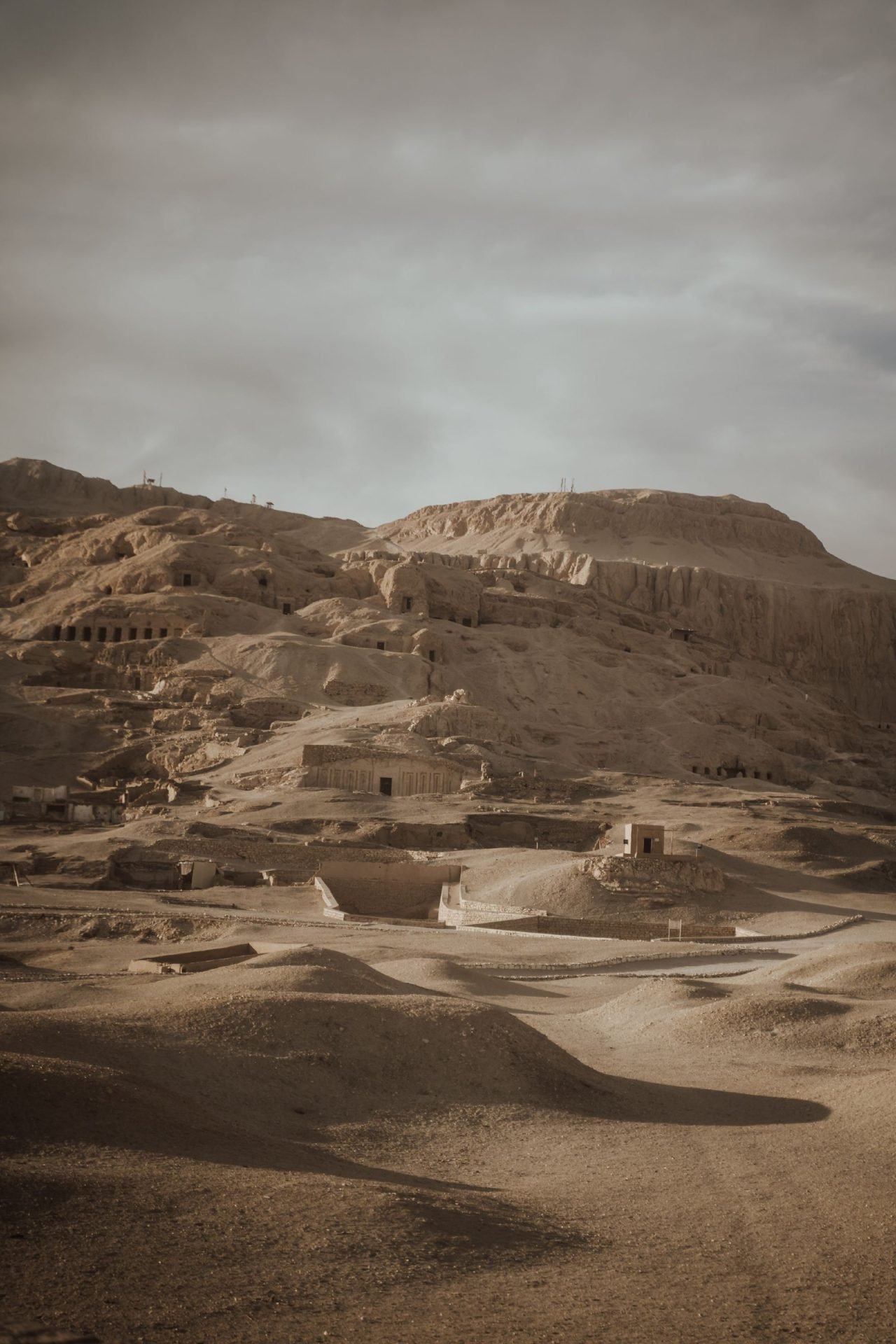
Discover why Deir el-Medina matters: the tomb builders’ village, written records, artists and a practical way to include it in a Luxor West Bank visit.
Deir el-Medina brings the people behind Egypt’s royal monuments into view. This settlement on Luxor’s West Bank housed a community connected with constructing and decorating royal tombs during the New Kingdom. Its importance comes from the combination of buildings, personal monuments and written evidence. A visit can change the question from “which king built this?” to “who carried out the work, and what can we know about their lives?”

The Egyptian Ministry of Tourism and Antiquities describes an organized community with overseers, work teams and supplies provided by the state. This helps explain why the village is so valuable for studying labor. Avoid treating it as a generic illustration of every worker in ancient Egypt: this was a particular community involved in royal projects, and its evidence needs that context.
An ostracon is a piece of pottery or stone used as a writing or drawing surface. The British Museum holds a limestone example from Deir el-Medina, EA50730, recording work and absences. Another, EA29550, preserves a literary text about occupations and the role of a scribe. Together they show why small objects can be as informative as monumental buildings. These museum objects are examples of evidence from the site; they are not promised exhibits during a village visit.
The surviving material includes drawings as well as texts. A British Museum ostracon, EA8508, depicts the workman Pennub worshipping Meresger, represented as a woman-headed snake. Such an object invites a different discussion from a royal temple wall: an individual appears in a devotional setting. Ask how the person is identified and what the inscription adds, rather than assuming that all images served the same purpose.
Start by understanding the village plan and its setting before concentrating on individual remains. Ask your guide to distinguish domestic areas from funerary and religious spaces. If tomb interiors are open on your date, compare the scale and subjects with the royal tombs you have visited. Access changes, so confirm which tombs and other areas your ticket actually covers. Do not plan around a photograph of an interior without checking whether that space is open.
The Valley of the Kings is the natural choice when royal burial chambers are your main interest. Deir el-Medina adds the story of the people whose work made those monuments possible. They are complementary stops, but travelers with a short day should prioritize rather than rush through both. Discuss walking requirements and available access when choosing.
Use our Luxor travel guide to place the visit within a broader plan. Combining it with other West Bank sites can make sense, provided the time at each stop is realistic. Deir el-Medina is not automatically included in every Luxor tour. Request a tailored Luxor itinerary and name it explicitly, along with your arrival details and any mobility needs.
Ask which areas will be accessible, whether tickets are included, and how long the overall route allows for the stop. Wear comfortable shoes for uneven ground and follow rules about photography and protected surfaces. Do not touch walls to steady yourself inside decorated spaces. If a narrow passage or descent is unsuitable for you, discuss alternatives before entering.
Its main value here concerns the New Kingdom royal-tomb community at Thebes. It should not be used as direct evidence for every detail of much earlier pyramid construction at Giza. Keeping the period and location clear makes the visit more informative.
Egyptian Ministry of Tourism and Antiquities: Deir el-Medina village; British Museum records for work and absence, a literary ostracon and Pennub and Meresger.
Organizza la visita al Cairo e a Giza: Piramidi, Grand Egyptian Museum, quartieri storici, spostamenti e itine...
Read moreOrganiza tu visita a El Cairo y Guiza: pirámides, Gran Museo Egipcio, barrios históricos, transporte e ideas p...
Read moreCairo's royal palaces, from the Manial Palace museum on Roda Island to Beshtak Palace on Al-Muizz Street, Abde...
Read moreTurn inspiration into an itinerary with our travel specialists.