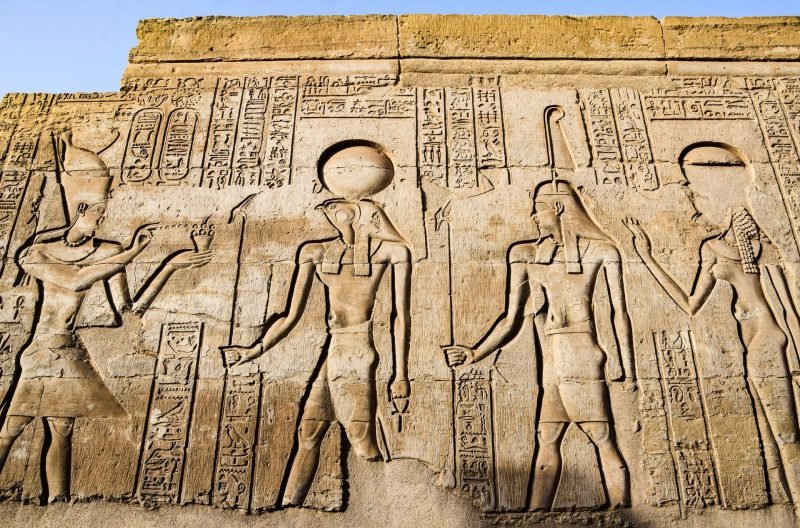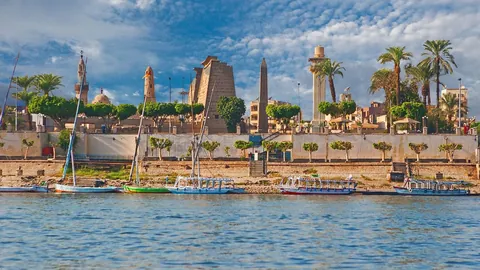
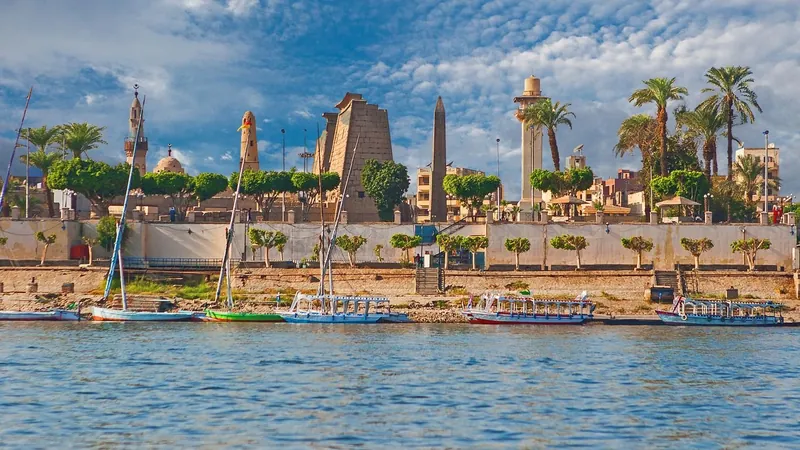
Responsible Nile Cruising: Waste, Local Communities and Heritage Protection
A practical guide to responsible nile cruising: waste, local communities and heritage protection: compare the...
Read more
Luxury Travel, Timeless Egypt
Contact Info
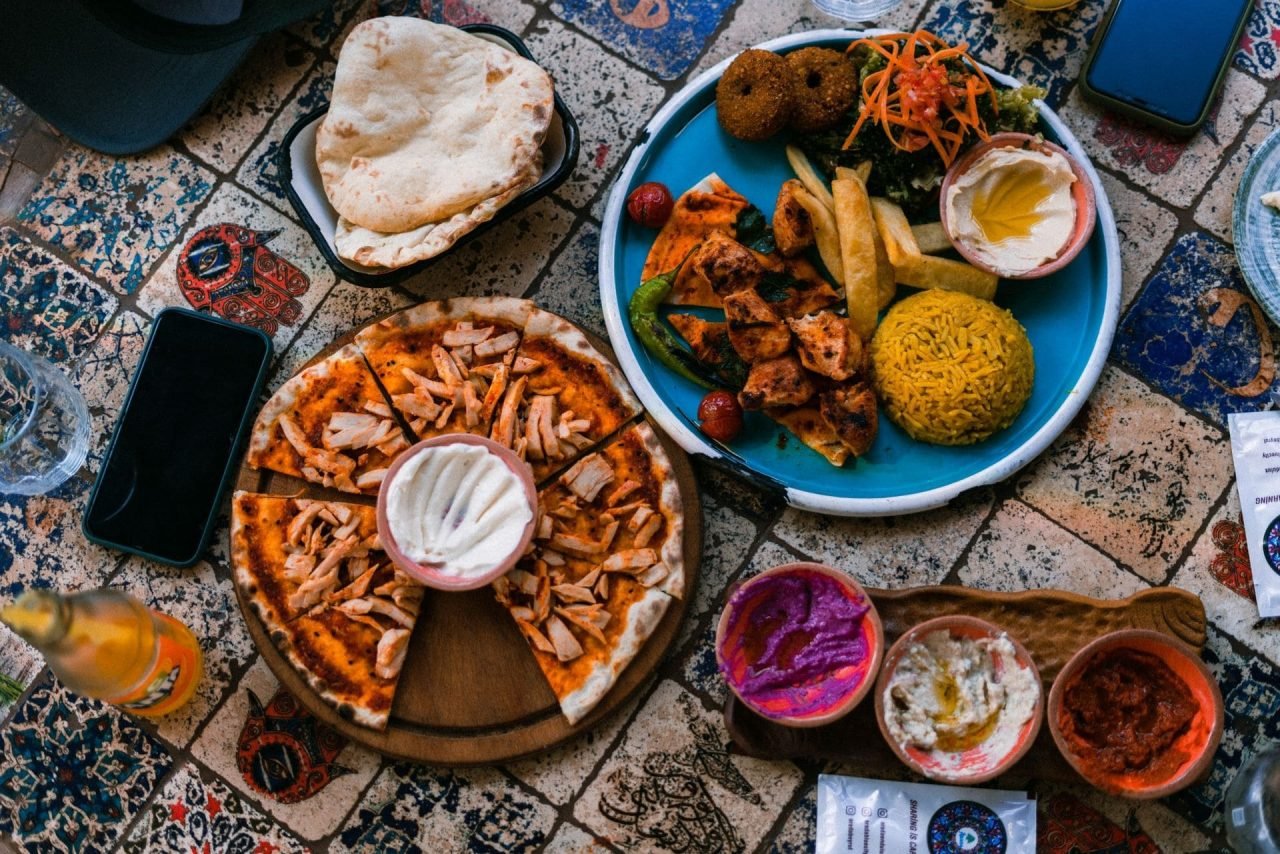
Discover Egyptian food, from koshari and ful medames to molokhia, taameya and local sweets. Learn what dishes are made with and how to explain dietary needs.
Use Egyptian Food as a starting point, then ask about ingredients, preparation, spice level and allergens. Recipes and names can change between regions and restaurants.
Look for busy, established places within Cairo, the Nile Valley and the Red Sea regions relevant to your route, and combine street food with restaurants where you can ask clear questions about preparation.
Try a small number of dishes at a time and include both everyday staples and regional specialities. Bottled water and good hand hygiene are practical parts of the experience.
Packaged spices, tea and sealed food products are easier to verify and transport than unlabelled items. Check your home-country customs rules, and use the published Egypt tours to place food stops within a realistic route.
Egyptian food is varied by region, household and restaurant. A meal can be a quick street-food stop, a home-style plate or a long shared table. These familiar dishes are a good starting point; recipes and ingredients vary, so ask how a particular restaurant prepares them.
Try local versions of om ali, basbousa or kunafa if they suit your preferences. Karkade is a hibiscus drink served in different styles. Ask about nuts, dairy, gluten and added sugar where relevant; recipes and labels may not be standardized.
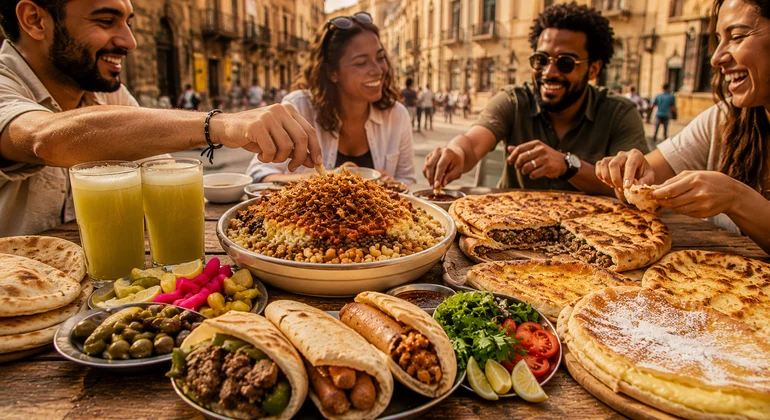
Be specific when explaining an allergy or dietary restriction. Ask about sauces, frying oil, shared cooking surfaces, meat stock, butter and garnishes. A dish that looks plant-based may use broth or animal fat, and a vegetarian option is not guaranteed at every restaurant. If an allergy is severe, carry a translated explanation prepared with a trusted speaker and confirm the restaurant understands it.
For a food-focused visit, ask your guide or host which neighborhood restaurants match your interests and what is available that day. You can pair meals with our Cairo travel guide or Egypt itinerary guide.

Continue with these published guides to connect this decision with the wider route:
Seasoning varies. Some dishes are mild while sauces and condiments can be stronger; ask for the seasoning on the side if you prefer.
Ful, koshari and taameya may be options, but recipes and preparation differ. Ask about broth, frying oil and toppings before ordering.
No. Ingredients, names and serving styles change between restaurants and regions. Treat this list as a guide to what to ask about, not a fixed menu.
A practical guide to responsible nile cruising: waste, local communities and heritage protection: compare the...
Read moreA practical guide to a visitor's guide to reading ancient egyptian temple wall scenes: compare the options, un...
Read moreA practical guide to from workers village to royal tomb: a field guide to ancient thebes: compare the options,...
Read moreTurn inspiration into an itinerary with our travel specialists.