Responsible Nile Cruising: Waste, Local Communities and Heritage Protection
Simple ways to make a Nile cruise more responsible: cutting plastic, choosing your boat, visiting villages respectfully, tipping fairly and protecting the monuments.
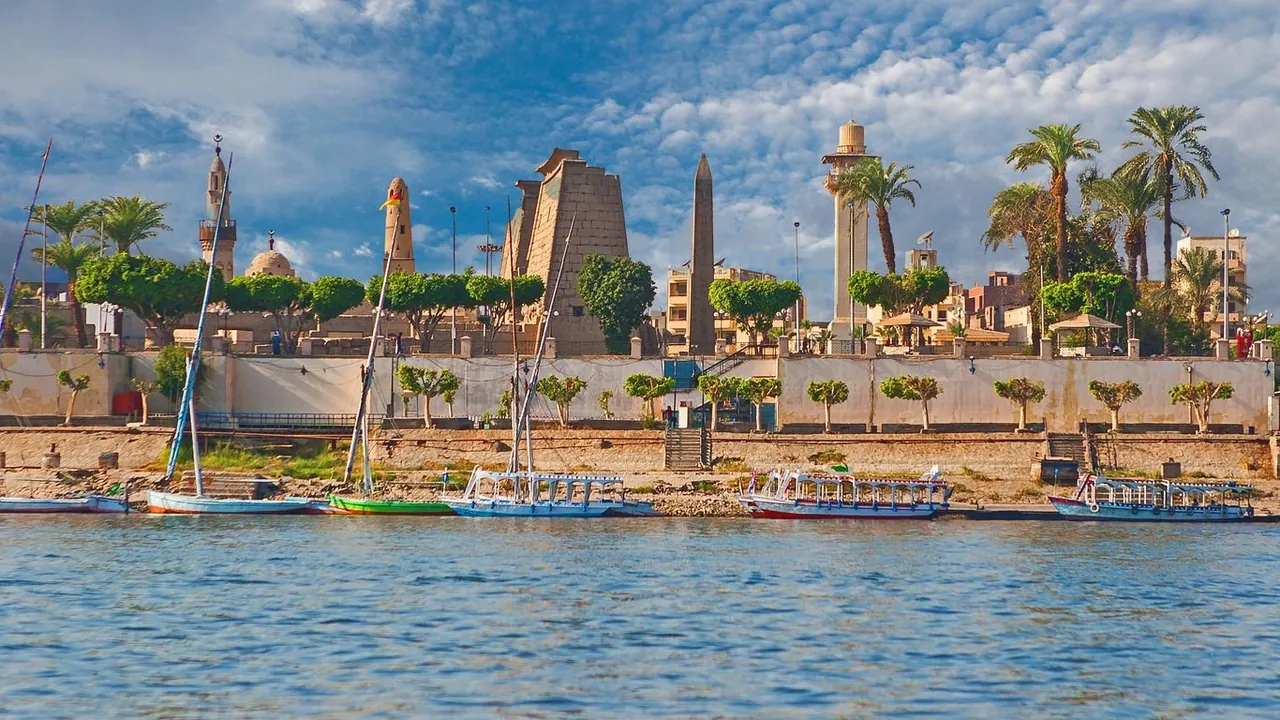
The Nile has carried travellers for thousands of years, and it supports millions of people along its banks today. A few simple choices on your cruise help keep the river clean, support the people who work on it, and protect the monuments for the visitors who come after you.
Cut the plastic
Bottled water is the biggest source of waste on a typical cruise. Bring a refillable bottle and ask whether your ship offers filtered water for refills. Say no to straws and extra plastic bags in the markets, and take any rubbish from day trips back to the ship rather than leaving it at the riverbank.
Choose your boat thoughtfully
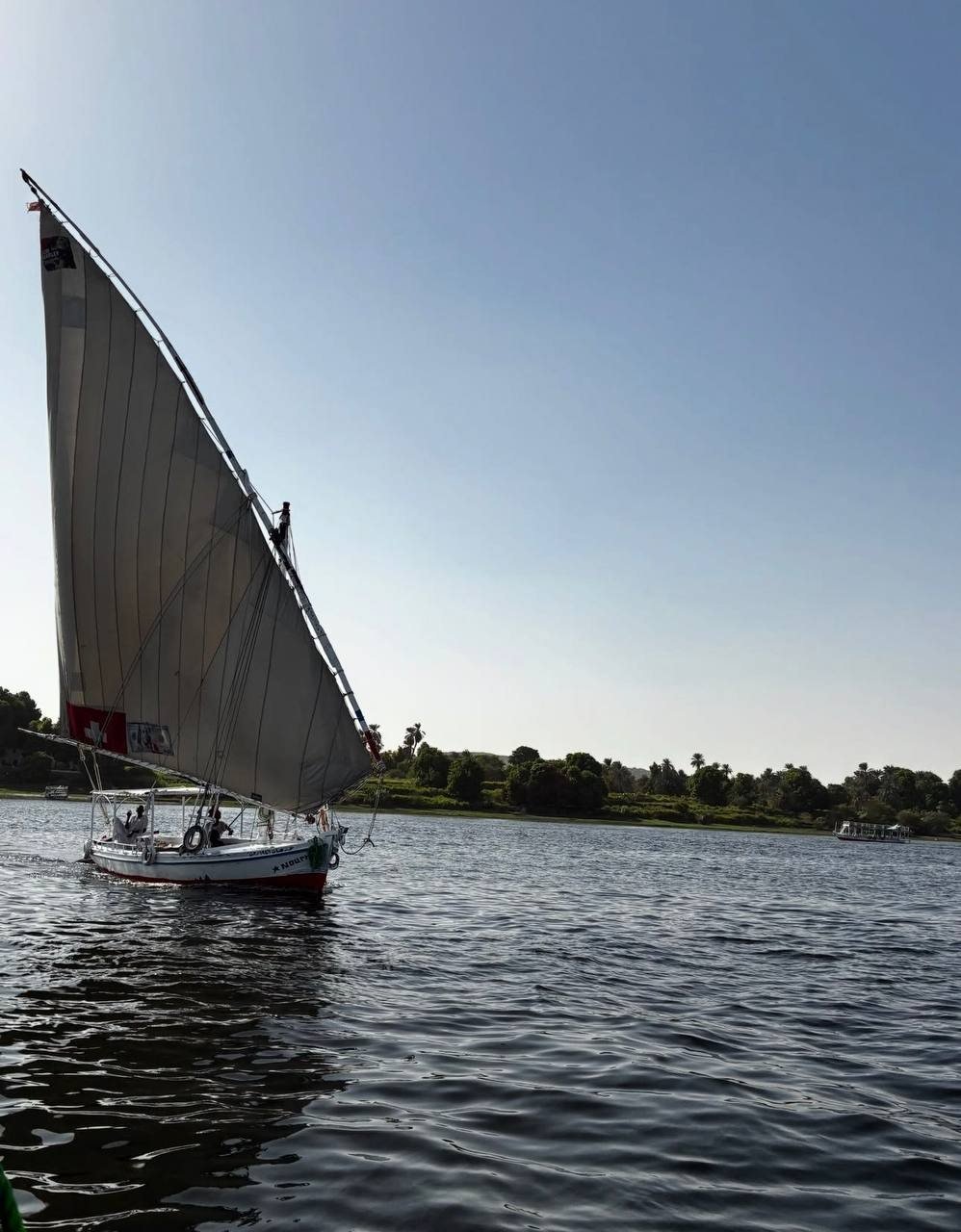
Ask your operator how the ship handles waste and wastewater, and whether it buys food locally. A dahabiya sails under wind power for much of the journey and carries only a small number of guests, which lightens its footprint. Smaller ships and feluccas also employ local crews and captains, so your trip supports families who have worked on the river for generations.
Visit villages with respect
- Ask before photographing people, especially women and children, and accept a no.
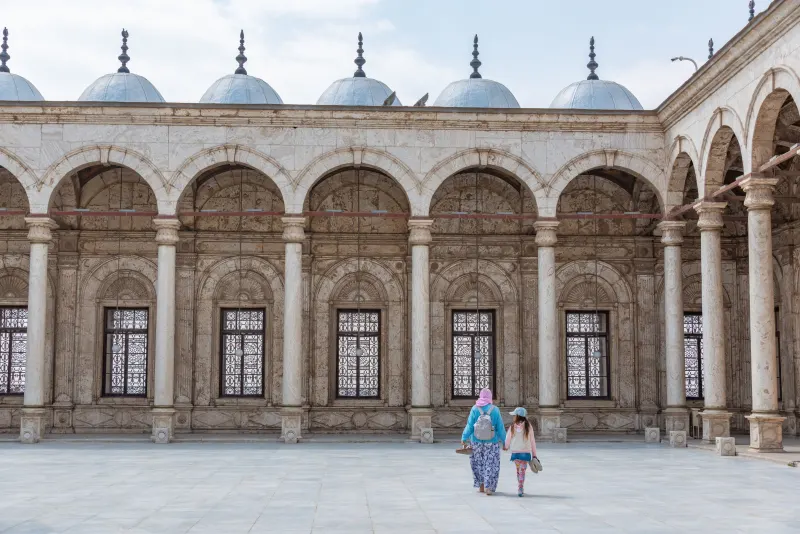
- Dress modestly in villages and at mosques and churches: shoulders and knees covered.
- Buy directly from craftspeople where you can, so more of the money stays in the village.
- Be a guest, not a spectator. If you are invited for tea, a few words of Arabic and genuine interest are always welcome.
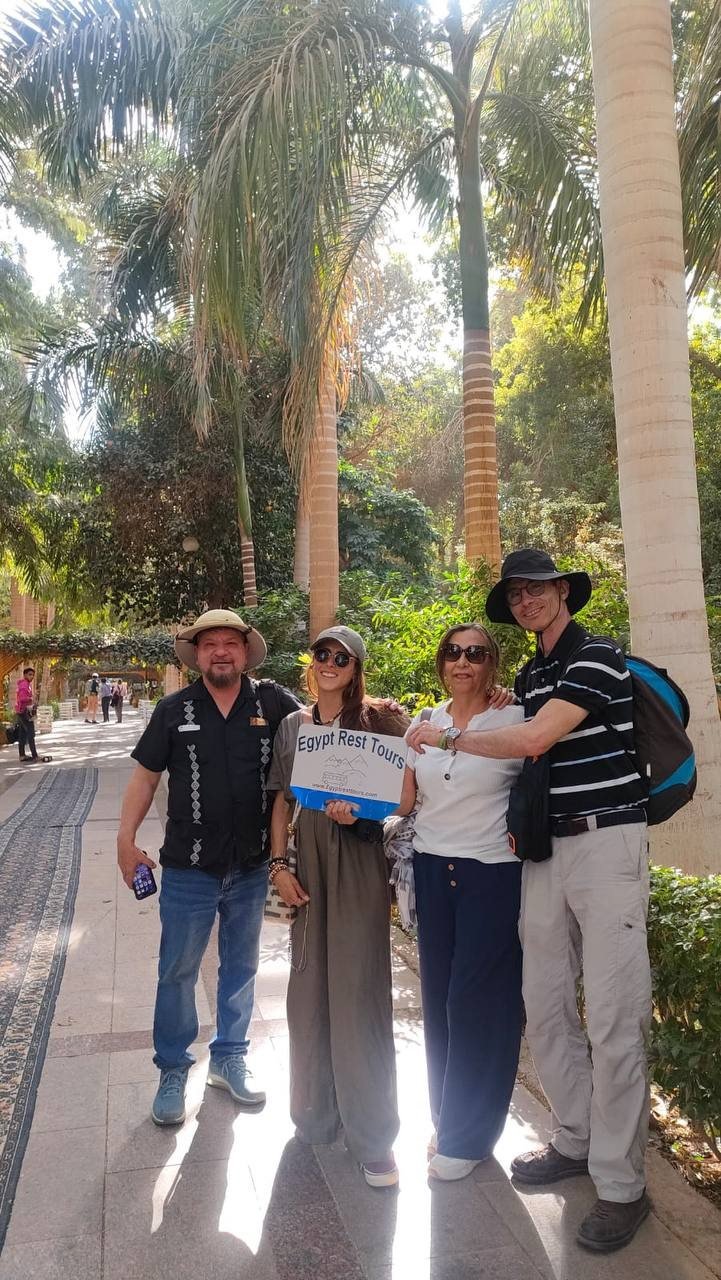
Tip fairly
Tips are an important part of income for cruise crews, guides, drivers and felucca captains. Ask your operator for current guidance before you travel and keep small notes in local currency. Our guide to tipping in Egypt explains who to tip and when.
Protect the monuments
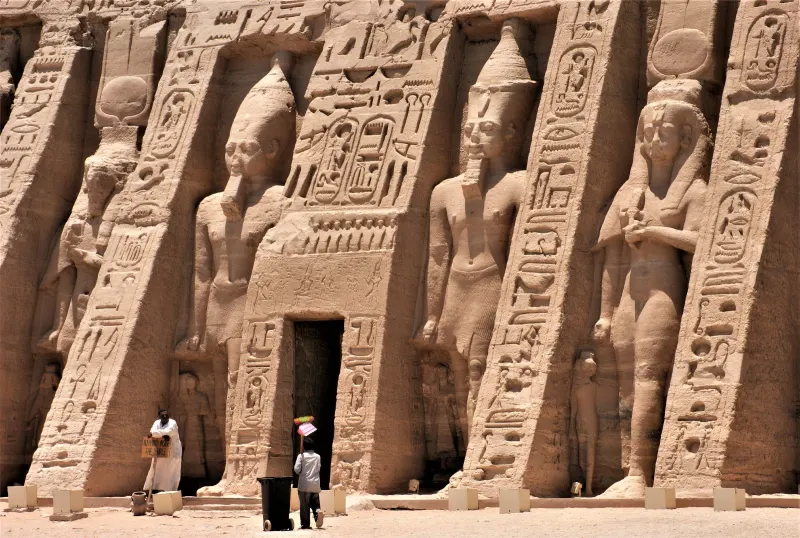
- Do not touch the reliefs and paintings. Oils from hands damage colours that have survived for millennia.
- Follow the photography rules at each site, and never use flash where it is not allowed.
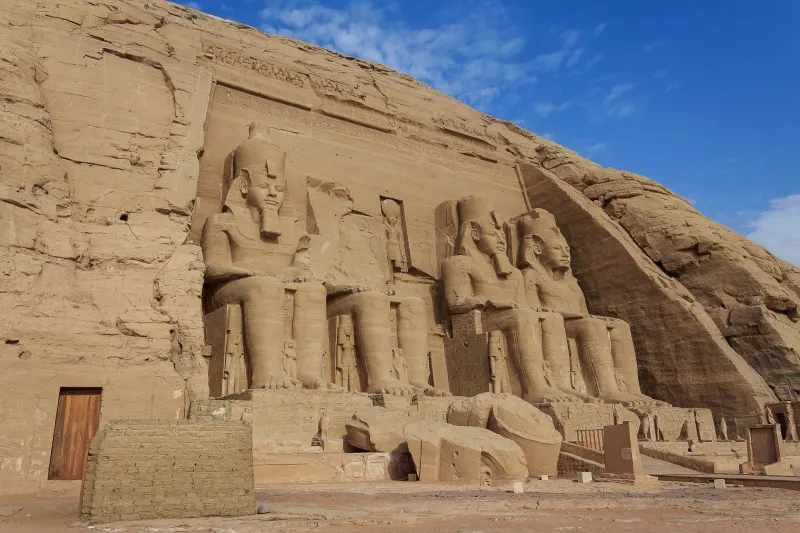
- Stay on paths and behind barriers, and do not climb on statues or walls.
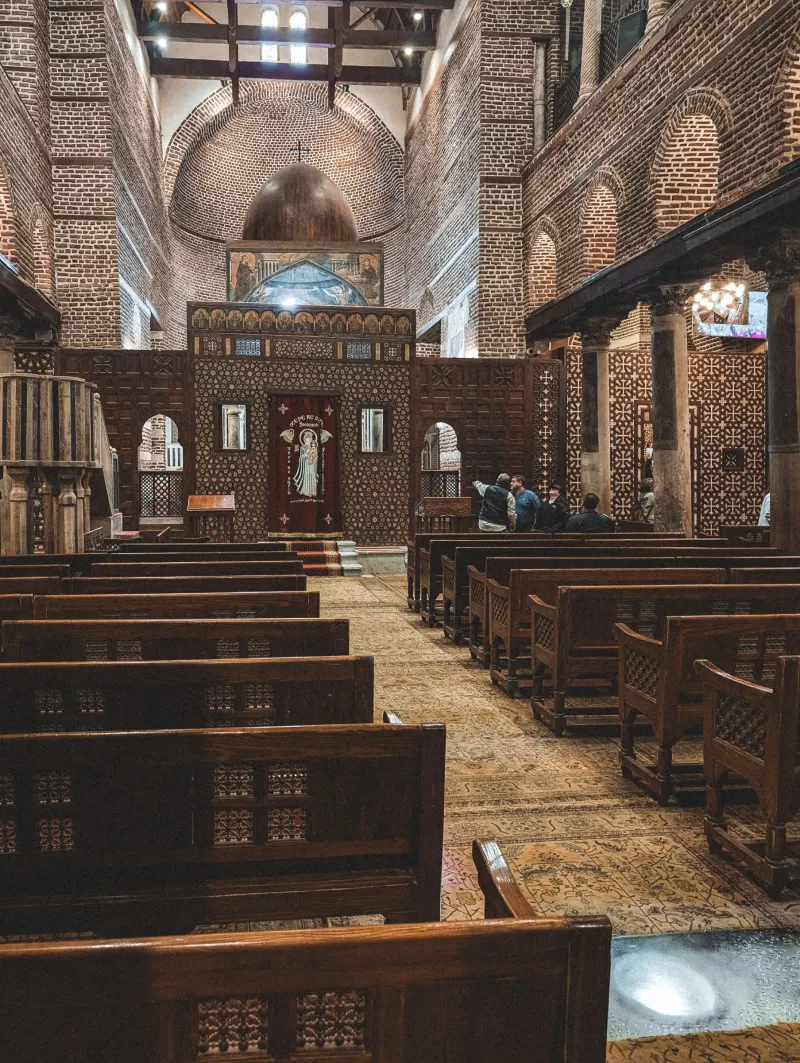
- Keep your voice low in the tombs. They are small, warm spaces shared with other visitors.
Think about animals
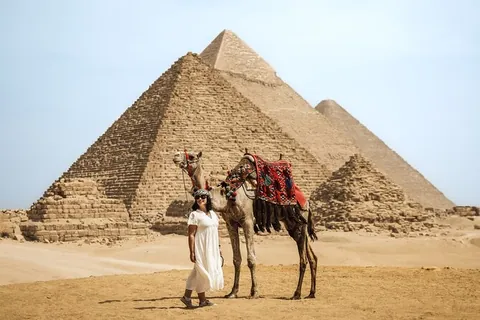
Horse carriages, camels and donkeys are part of life in Luxor, Aswan and Giza. Choose animals that look healthy and well cared for, avoid any that are overloaded or forced to run, and do not hesitate to walk away if you are uncomfortable.
Frequently asked questions
Is tap water on a Nile cruise safe to drink?
Visitors usually drink bottled or filtered water. Ask your ship whether it provides filtered water so you can refill your own bottle.
Are dahabiyas more sustainable than cruise ships?
They usually have a lighter footprint because they carry fewer guests and sail by wind for much of the time, though each boat is different. Ask your operator about its practices.
How can I support local communities?
Buy crafts directly from makers, use local guides and boat captains, tip fairly and eat in local restaurants. Explore our Nile cruises or ask us about smaller boats and community visits.
Related Egypt Planning Guides
Continue with these published guides to connect this decision with the wider route:
Turn this into your itinerary
Our Egypt-based specialists can build a private trip around the places in this article.