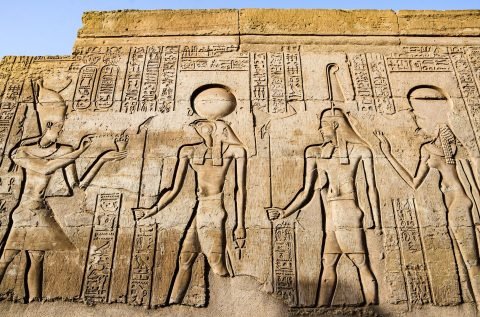
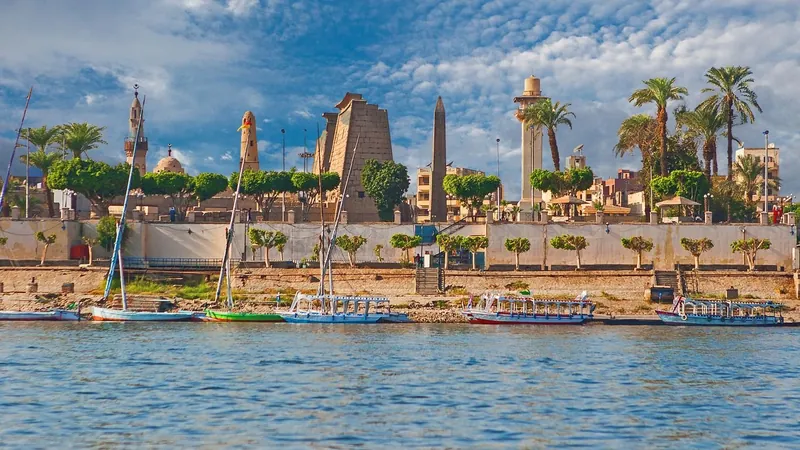
Responsible Nile Cruising: Waste, Local Communities and Heritage Protection
A practical guide to responsible nile cruising: waste, local communities and heritage protection: compare the...
Read more
Luxury Travel, Timeless Egypt
Contact Info
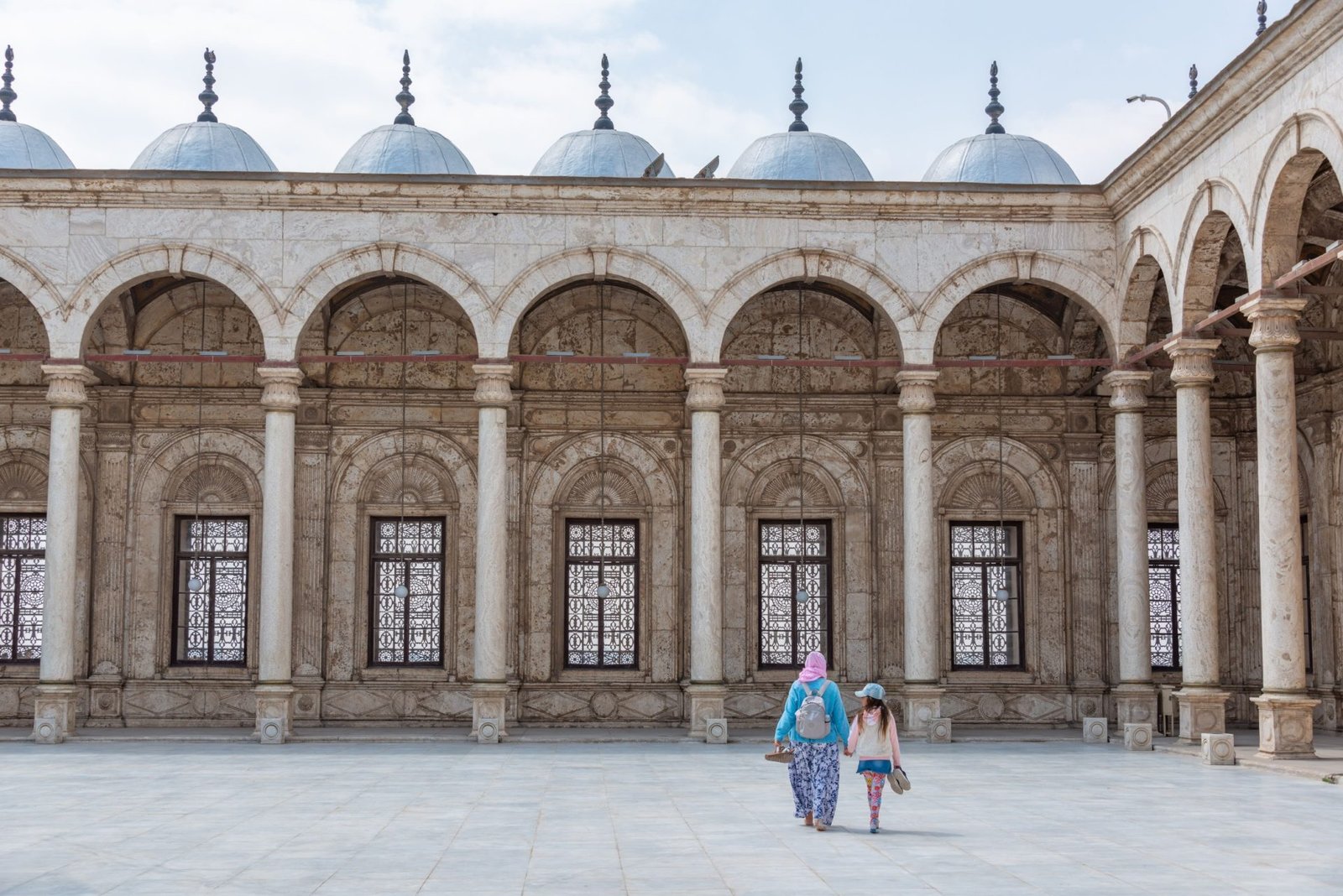
A walking guide to Islamic Cairo: Al-Muizz Street's mosques and madrasas, Khan El Khalili, the Citadel, and how to explore a thousand years of the city's history.
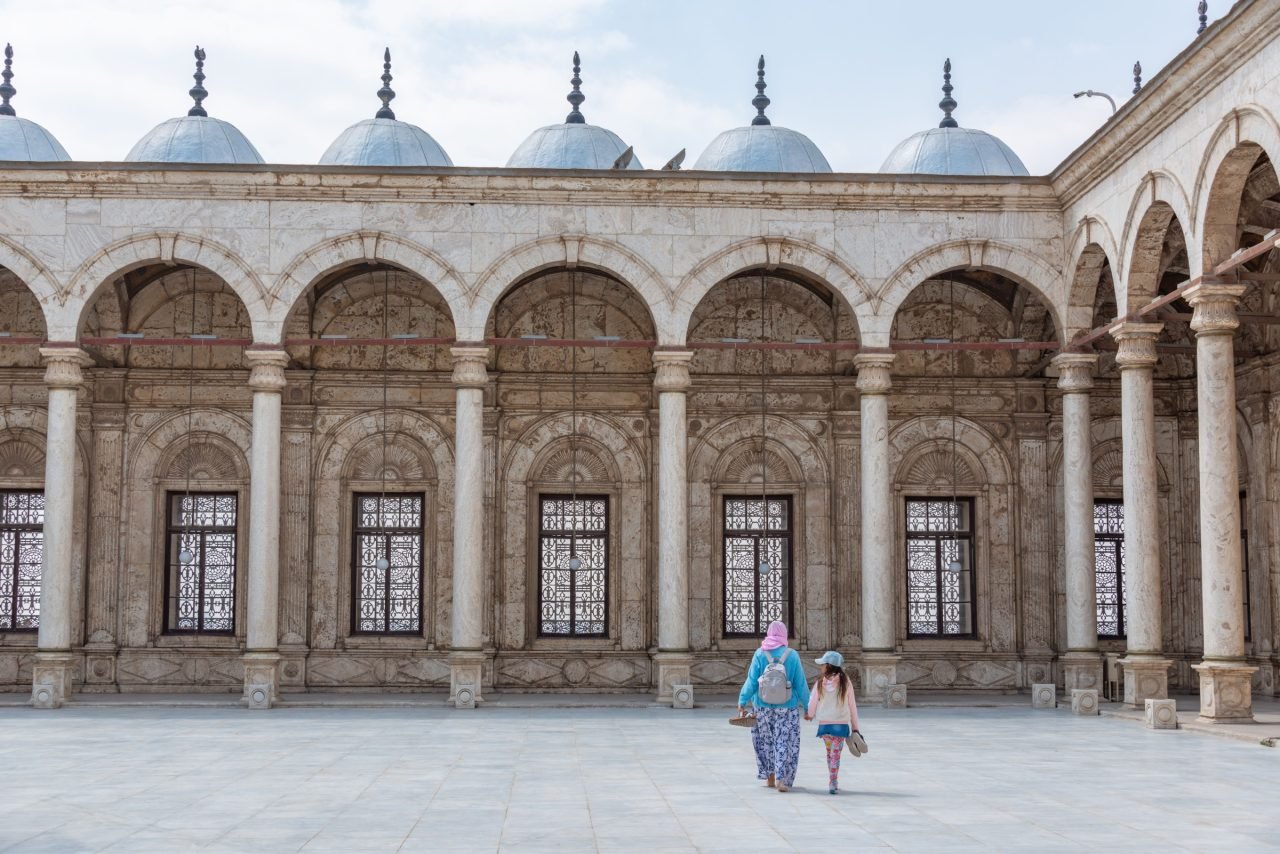
Cairo is one of the great cities of Islamic civilization, and its historic core preserves a thousand years of mosques, madrasas, domes and minarets, so dense that UNESCO calls it one of the world's most remarkable concentrations of medieval architecture.

The spine of it all is Al-Muizz Li-Din Allah Al-Fatimi Street, running from Bab El-Futuh to Bab Zuweila through the heart of the medieval city. This guide walks you through it.
Named for the Fatimid caliph who founded Cairo, Al-Muizz Street passes a gallery of masterpieces: the Mosque of Al-Hakim, the complex of Qalawun, the madrasa of Sultan Hasan's predecessors, the house of Suhaymi and dozens more, restored and glowing at night under the floodlights. Walk it slowly; the street rewards eyes raised to the details of domes, cresting and mashrabiya screens.

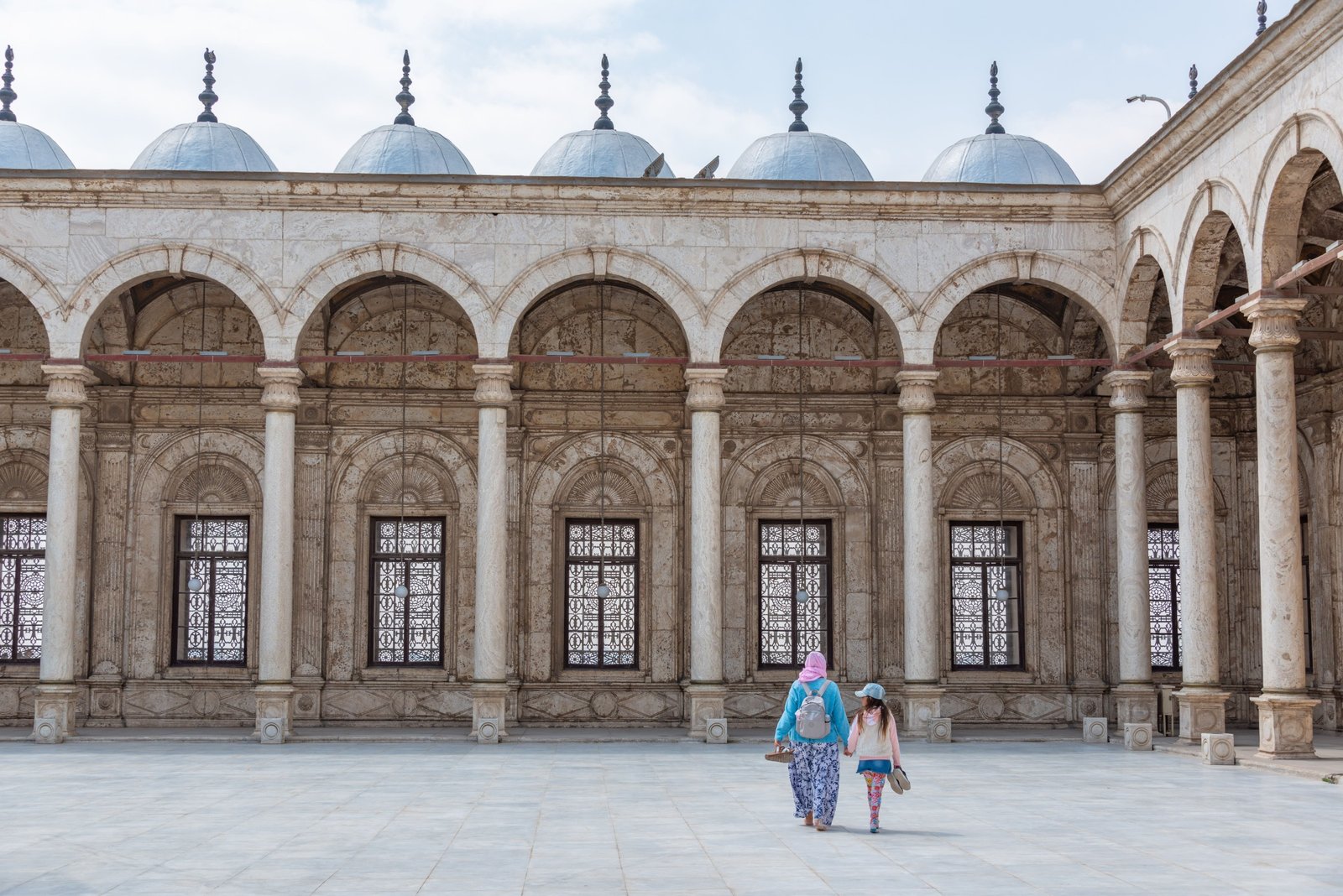
At the street's heart spreads Khan El Khalili, the great bazaar operating since the 14th century. Its lanes run with brass, silver, spices, perfumes, shisha and gold, and its cafés, above all El Fishawy's, mirror-walled and endless, have hosted Cairenes for over two centuries. Bargain cheerfully; it is expected.

On a spur above the city, Salah El Din's Citadel crowns Islamic Cairo. Its Alabaster Mosque of Mohamed Ali, domed and minareted in Ottoman style, glows over the whole capital, and the terraces give the finest view in Cairo.

A full day covers the Citadel in the morning, Al-Muizz Street and Khan El Khalili in the afternoon and evening, when the street lights and the café culture come alive. Modest dress is needed for mosque visits, and comfortable shoes for the cobbles.
Explore these Egypt Rest Tours experiences related to this guide:
Yes, its main stretch is pedestrian-friendly, and evenings, when it is illuminated, are especially lovely. Combine with Khan El Khalili, which opens directly off it.
Modest clothing covering shoulders and knees, and a scarf to cover hair inside mosques. Outside mosques, ordinary respectful dress is fine.
A full day does the Citadel, Al-Muizz and the Khan comfortably. Half a day covers either the Citadel or the street and bazaar.
Approach Walking Islamic Cairo with the historical and social context in this guide. Dress and photography rules can vary between active religious spaces, streets and museums.
Use Cairo and Giza to connect monuments with living neighbourhoods. Visit respectfully and follow instructions from site staff and local communities.
Slow down, listen and ask before photographing people. A guided walk can connect architecture, craft and everyday life without reducing the area to a photo stop.
Choose locally made work where the seller can explain its material and origin. Avoid anything presented as an antiquity, and use the Cairo destination guide when you want the visit arranged with guiding and transport.
Continue with these published guides to connect this decision with the wider route:
A practical guide to responsible nile cruising: waste, local communities and heritage protection: compare the...
Read morePlan a visit to Coptic Cairo with an overview of its churches, museum and historic setting, plus practical adv...
Read moreA practical guide to a visitor's guide to reading ancient egyptian temple wall scenes: compare the options, un...
Read moreTurn inspiration into an itinerary with our travel specialists.