- By Egypt Rest Tours
- Destinations
Cairo is the largest city in Africa and the Middle East, a pulsing metropolis where twenty-two million people live among pyramids, minarets, museums and one of the great rivers of the world. For most travelers, it is the gateway to Egypt and a destination in its own right.
Three or four days in Cairo are enough to see the essentials: Giza and the Grand Egyptian Museum, Islamic and Coptic Cairo, the bazaars, and the Nile at night. This guide covers the top things to see and do, with practical tips from our Egypt Rest Tours team, with local operations in Cairo.
The Giza Pyramids and the Sphinx
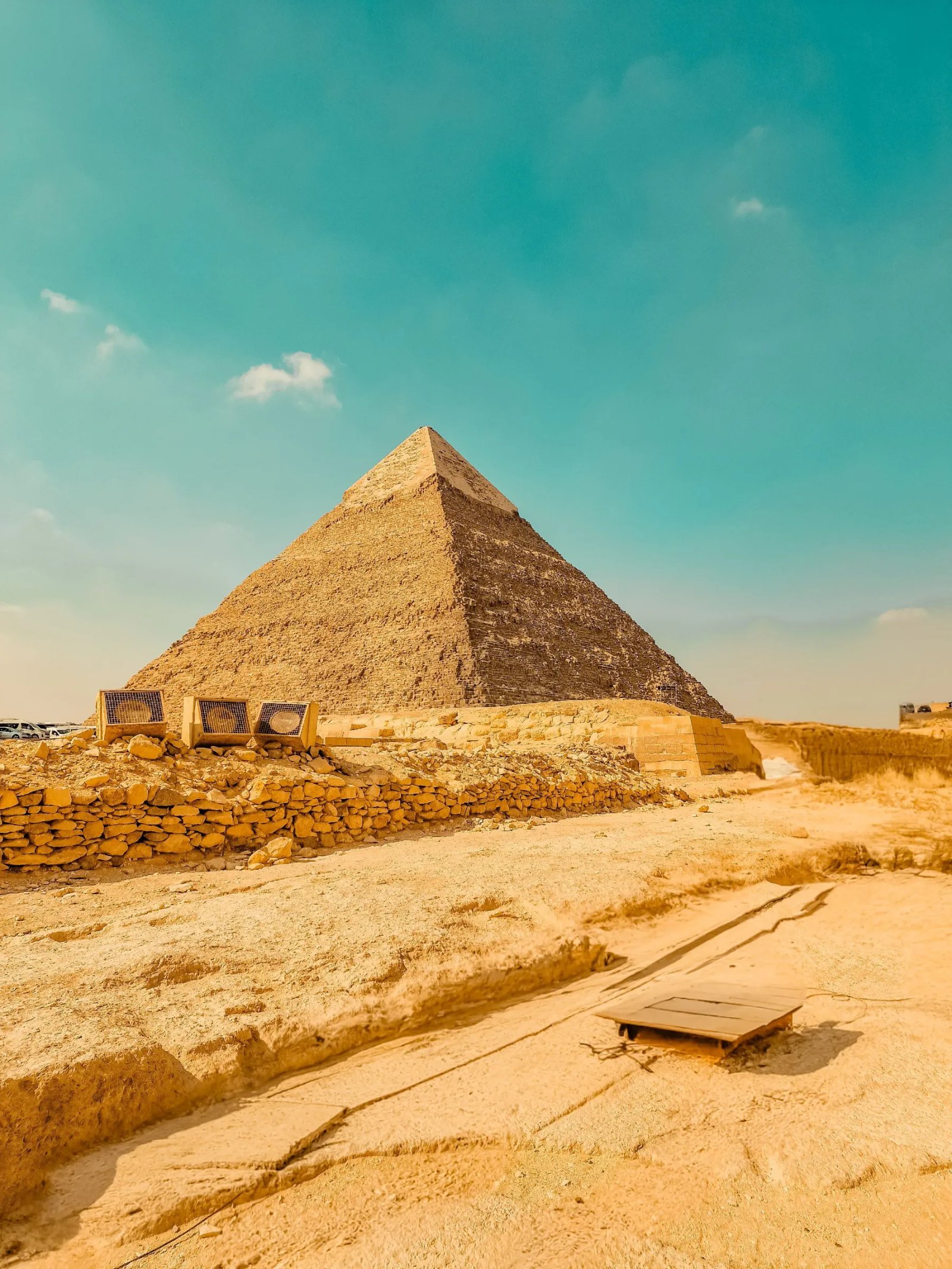
No visit to Cairo is complete without the Pyramids of Giza, the last surviving wonder of the ancient world. The Great Pyramid of Cheops, the Pyramid of Khafre, the Pyramid of Menkaure and the Great Sphinx sit on the Giza Plateau at the city's western edge, about 45 minutes from downtown.
Go early in the morning to beat the crowds and the midday heat, and consider a private Egyptologist guide who can explain the history, architecture and legends of the site.
The Grand Egyptian Museum (GEM)
The Grand Egyptian Museum, located next to the Giza Plateau, is the largest museum in the world dedicated to a single civilization. Its galleries display an extraordinary collection of ancient Egyptian artifacts, including treasures of Tutankhamun, displayed steps from the pyramids themselves.
Pairing Giza in the morning with the GEM in the afternoon makes a perfect full-day combination.
Islamic Cairo: Al-Muizz Street and the Citadel
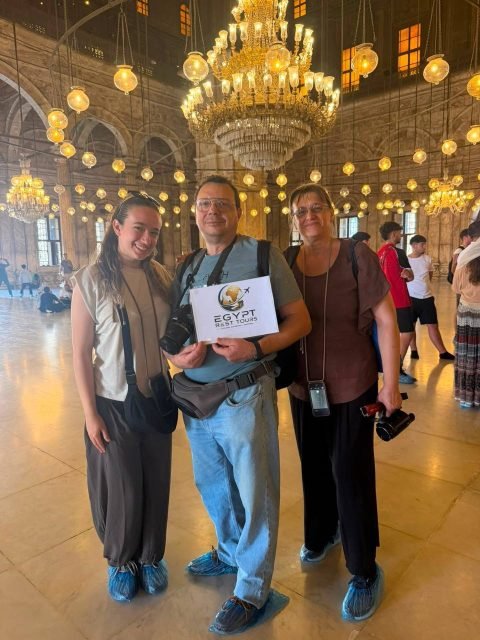
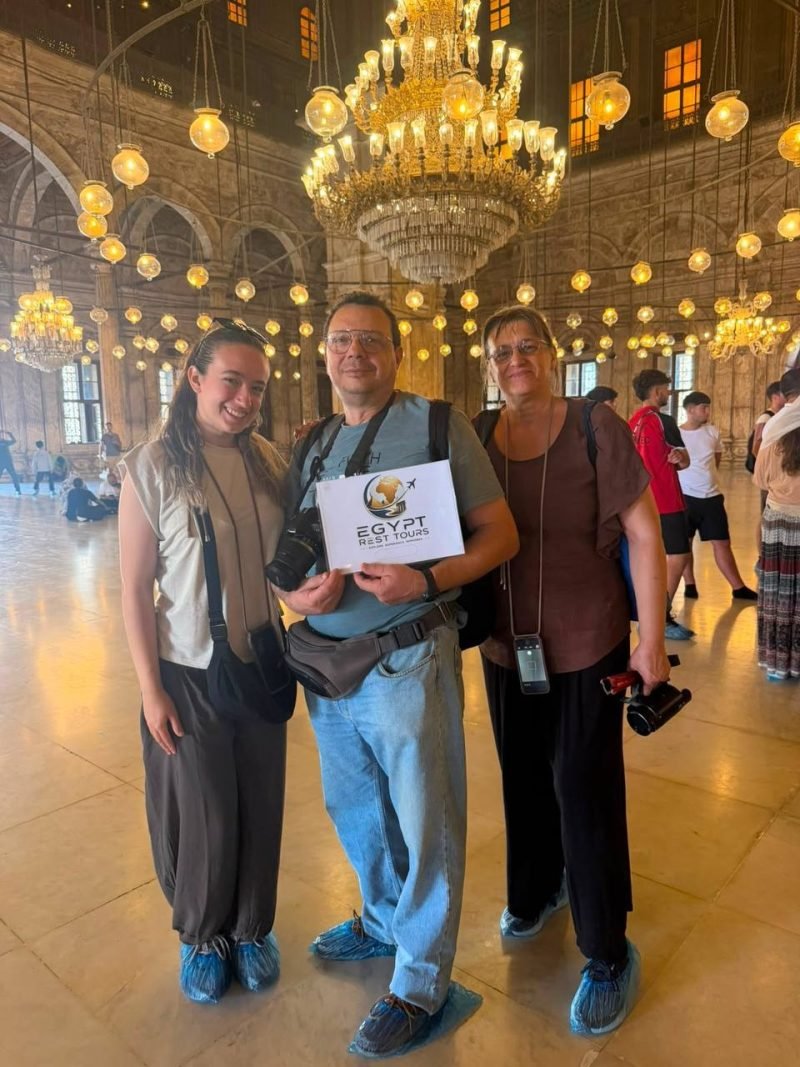
Historic Islamic Cairo holds a thousand years of architecture. Walk Al-Muizz Li-Din Allah Al-Fatimi Street, one of the oldest streets in the city, lined with mosques, mausoleums and medieval gates, then climb to the Citadel of Salah El Din for the Mosque of Mohamed Ali and sweeping views over the city.
Coptic Cairo and Old Cairo
Old Cairo holds the Hanging Church, the Church of St. Sergius, the Ben Ezra Synagogue and the Mosque of Amr Ibn El-Aas, a quiet quarter where Egypt's Christian and Jewish history sits side by side. It is easily combined with a walk through the Khan El Khalili bazaar.
The Nile at Night
Cairo changes character after dark. Take the Cairo Tower for a panorama of the illuminated city, stroll the green island of Zamalek, or take an evening Nile cruise with dinner and Egyptian folklore shows.
Practical Tips for Visiting Cairo
Cairo is intense, rewarding and easier than its reputation suggests. A few tips make all the difference:
- Base yourself in Giza or downtown for the shortest transfers
- Use a private tour with a guide and driver, traffic makes DIY days exhausting
- Carry small Egyptian pounds for tips and bazaar purchases
- Dress modestly for mosques and churches, and women should carry a scarf
- Tap water is not drinkable, stick to bottled water
Recommended Tours
Explore these Egypt Rest Tours experiences related to this guide:
- Giza & Grand Egyptian Museum Private Tour — the pyramids, Sphinx and GEM in one seamless private day
- Islamic & Coptic Cairo Tour with Al-Muizz Street — the two historic quarters of the capital in one day
- Salah El Din Citadel, Mohamed Ali Castle & Old Cairo — the Citadel, the Alabaster Mosque and the old city
- Cairo at Night: Zamalek, Cairo Tower & Nile Cruise — the capital illuminated, from the tower to the river
Related Reading
- Giza Pyramids Guide: Tickets, Timing and Tips
- Grand Egyptian Museum (GEM) Visitor Guide
- Walking Islamic Cairo: Al-Muizz Street Guide
- Day Tours from Cairo: Complete Selection
Frequently Asked Questions
How many days should I spend in Cairo?
Three to four days is ideal: one for Giza and the Grand Egyptian Museum, one for Islamic and Coptic Cairo, one for the Citadel and bazaars, and an evening for the Nile.
Is Cairo safe for tourists?
Yes. Tourist areas are well policed and millions visit every year. As in any huge city, keep an eye on belongings and use organized transfers rather than random taxis.
What is the best month to visit Cairo?
October to April offers the most comfortable weather. March and April can bring khamsin dust winds, and summer is hot but manageable with early starts.