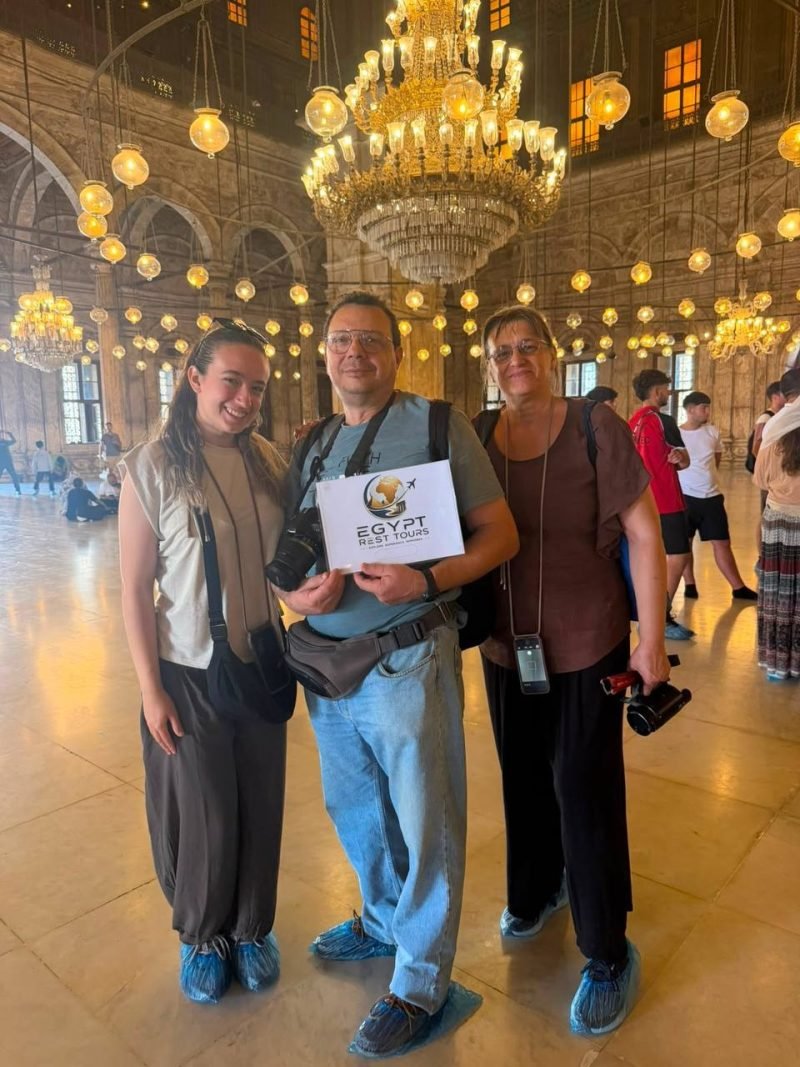
Palaces in Cairo: The Complete Guide
Cairo's royal palaces, from the Manial Palace museum on Roda Island to Beshtak Palace on Al-Muizz Street, Abde...
Read more
Luxury Travel, Timeless Egypt
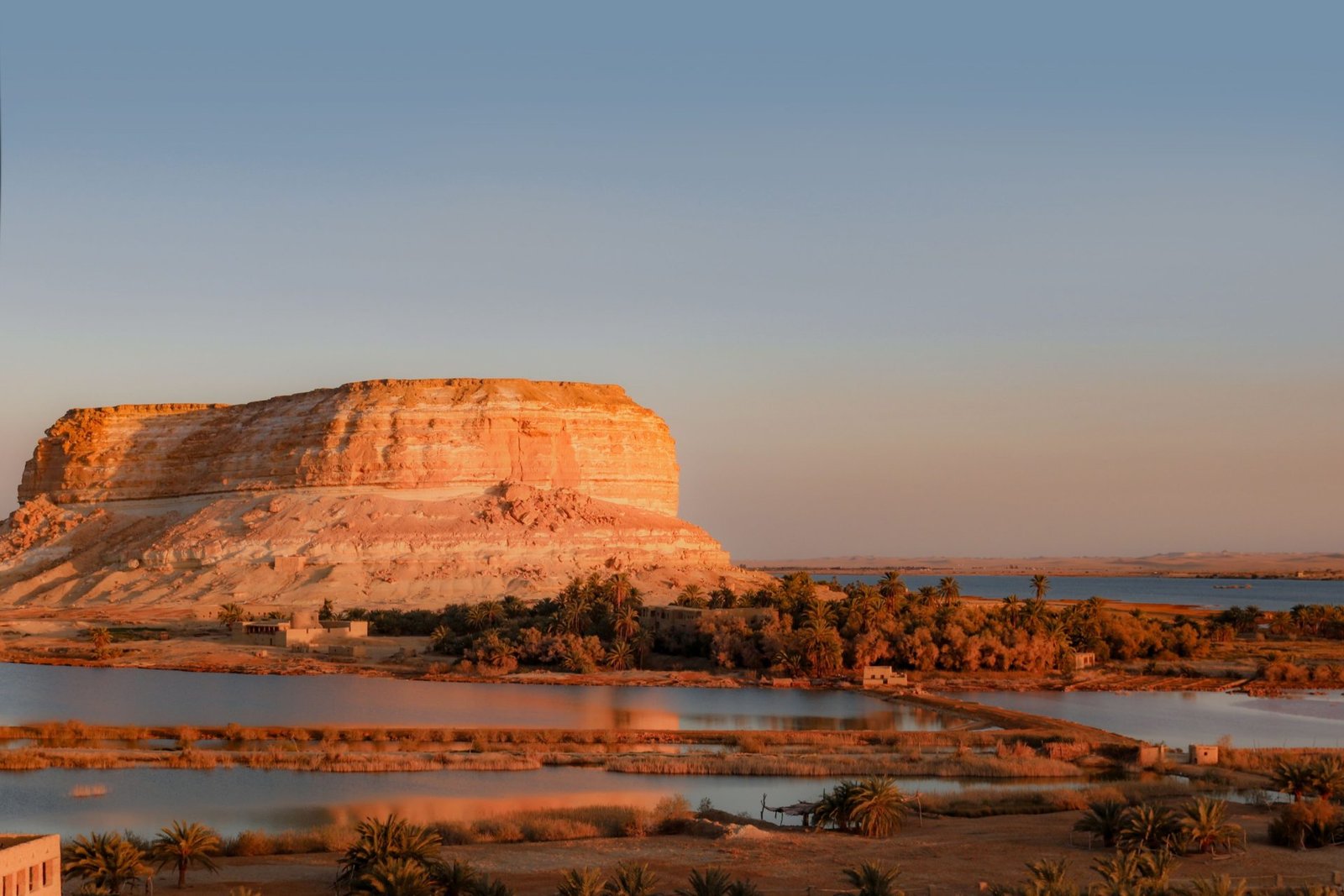
Discover Fayoum, Egypt's green oasis an hour from Cairo: the art village of Tunis, the whale fossils of Wadi El Hitan, the Magic Lake and the waterfalls of Wadi El Rayan.
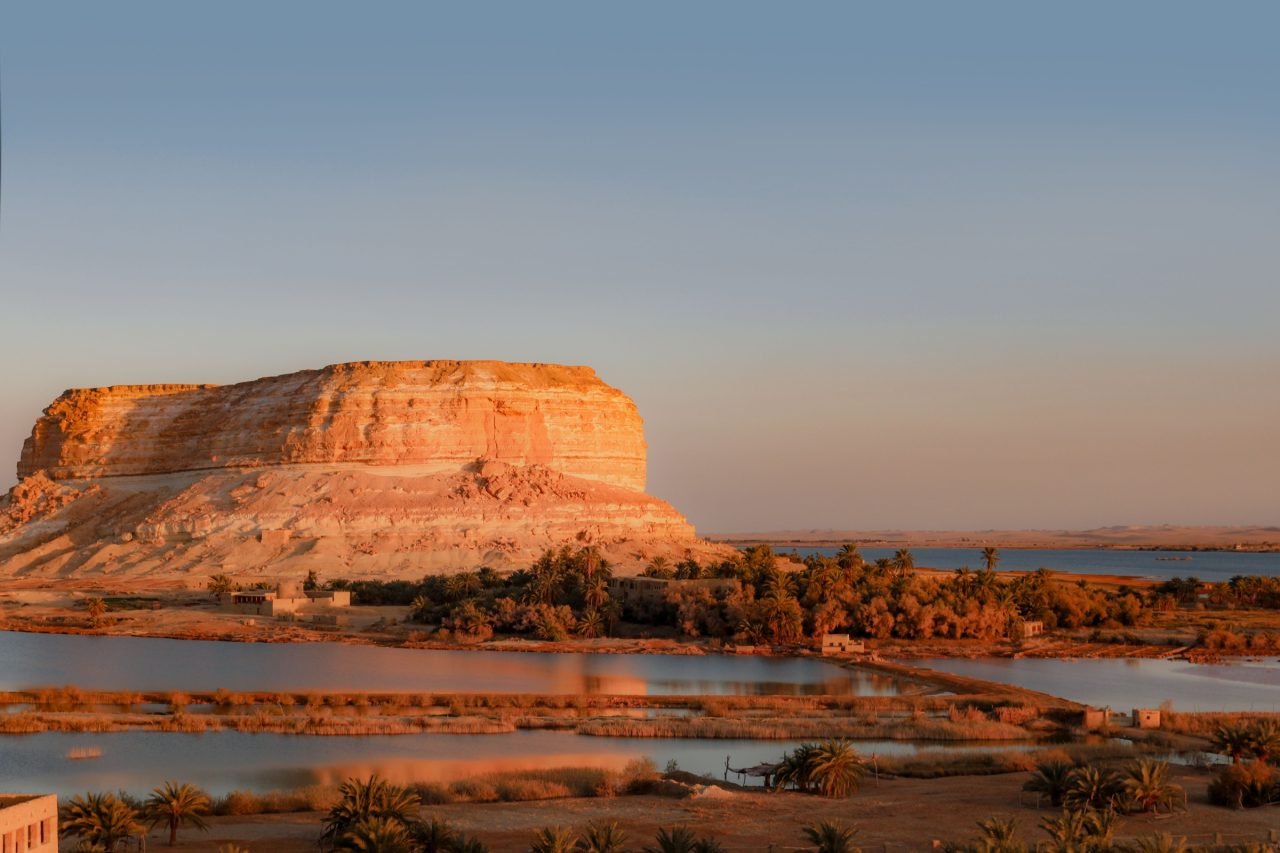
Fayoum is the surprise in Egypt's portfolio: an ancient oasis province just over an hour southwest of Cairo, where the desert holds a UN-listed valley of whale fossils, lakes change color with the light, and a pottery village has become an artists' colony.
A Fayoum day trip is the perfect contrast to pyramid days, a mix of nature, art and deep history away from the crowds.
Perched above Qarun Lake, Tunis village was put on the map by a Swiss potter and is now famous for its ceramics schools and galleries. Workshops line the lanes, and the views over the lake and palm groves are lovely. It is a great place to buy pottery directly from the makers.
A UNESCO World Heritage Site, Wadi El Hitan protects the fossil skeletons of ancient whales that swam here when the area was a sea 40 million years ago. Walking trails past the fossils run through surreal desert scenery; there is also a small museum. Combine with a 4WD adventure through the sand dunes.
The Magic Lake, tucked between dunes, changes color through the day from turquoise to deep blue, and you can even sandboard the slopes beside it. Nearby, the Wadi El Rayan waterfalls, Egypt's only waterfalls, link the upper and lower lakes in a protected area.
Fayoum works best as an organized day trip with a vehicle, since the sites are spread out and roads between them include desert track. Bring sunscreen, water and a scarf; swimwear if you want to try the lake.
Explore these Egypt Rest Tours experiences related to this guide:
About 100 kilometers, an hour and a half to two hours by road depending on your final destination in the oasis.
Yes, the lake is safe for swimming and the dunes around it are perfect for sandboarding.
Forty million years ago the region was covered by the ancient Tethys Sea. Wadi El Hitan preserves the skeletons of early whales from that era, making it one of the world's most important fossil sites.

Cairo's royal palaces, from the Manial Palace museum on Roda Island to Beshtak Palace on Al-Muizz Street, Abde...
Read moreThe complete Cairo travel guide: the Pyramids, the Grand Egyptian Museum, Islamic and Coptic Cairo, Khan El Kh...
Read moreEverything you need to plan a visit to the Pyramids of Giza: what to see, ticket options, the best time of day...
Read moreTurn inspiration into an itinerary with our travel specialists.