
From Workers Village to Royal Tomb: A Field Guide to Ancient Thebes
A practical guide to from workers village to royal tomb: a field guide to ancient thebes: compare the options,...
Read more
Luxury Travel, Timeless Egypt
Contact Info
A practical guide to a visitor's guide to reading ancient egyptian temple wall scenes: compare the options, understand what can change and know what to confirm before booking.
This guide gives travelers a practical way to understand A Visitor's Guide to Reading Ancient Egyptian Temple Wall Scenes. It focuses on the decisions that affect the visit, the details that can change, and the questions worth confirming before booking.
Start with the period, purpose and original setting behind A Visitor's Guide to Reading Ancient Egyptian Temple Wall Scenes. That context makes the architecture and surviving details easier to understand when you arrive.
Place the subject within Cairo, the Nile Valley and the Red Sea regions relevant to your route. Keep nearby sites together and allow realistic travel time instead of treating every monument as an isolated stop.
Prioritise the features explained in this guide, then leave time to look closely rather than rushing through a long checklist. A knowledgeable guide can clarify inscriptions, chronology and later alterations.
Confirm opening times, photography rules, ticket coverage and transport for your date. Compare the relevant published Egypt tours only after checking exactly which entrances and services are included.
Travelers searching for how to read egyptian temple carvings usually need a clear decision, not a list of superlatives. The sections below explain the trade-offs, identify details that vary by date or supplier, and show what to request before committing money or connecting transport.
Medinet Habu preserves extensive reliefs and color in a fortress-like temple complex, while Hatshepsut’s temple is defined by terraces, axial design and its dramatic cliff setting. The two sites explain different royal messages, so seeing both is more useful than treating them as interchangeable photo stops.
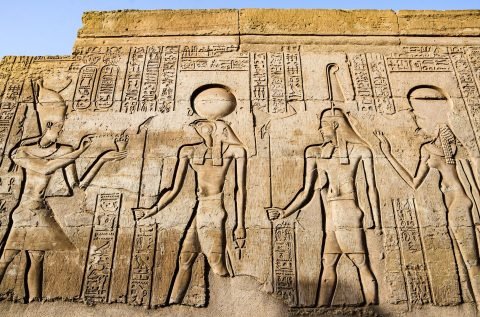
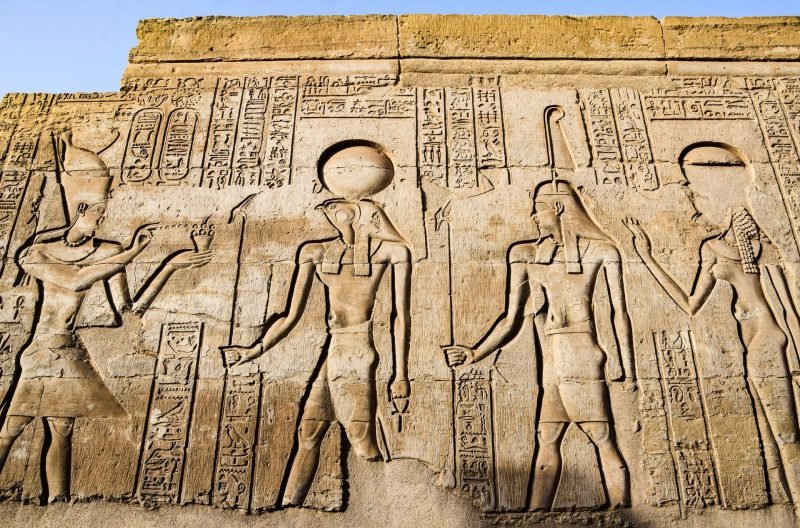
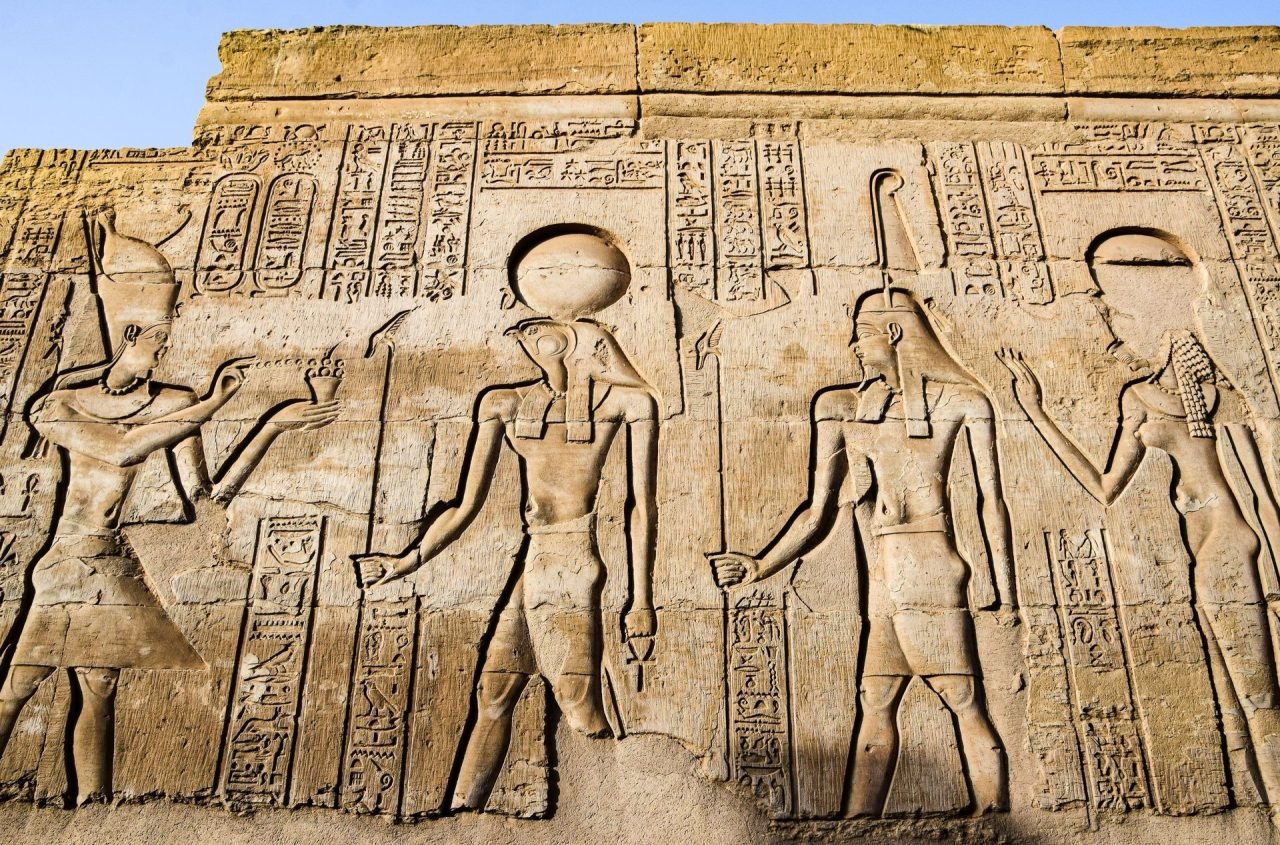
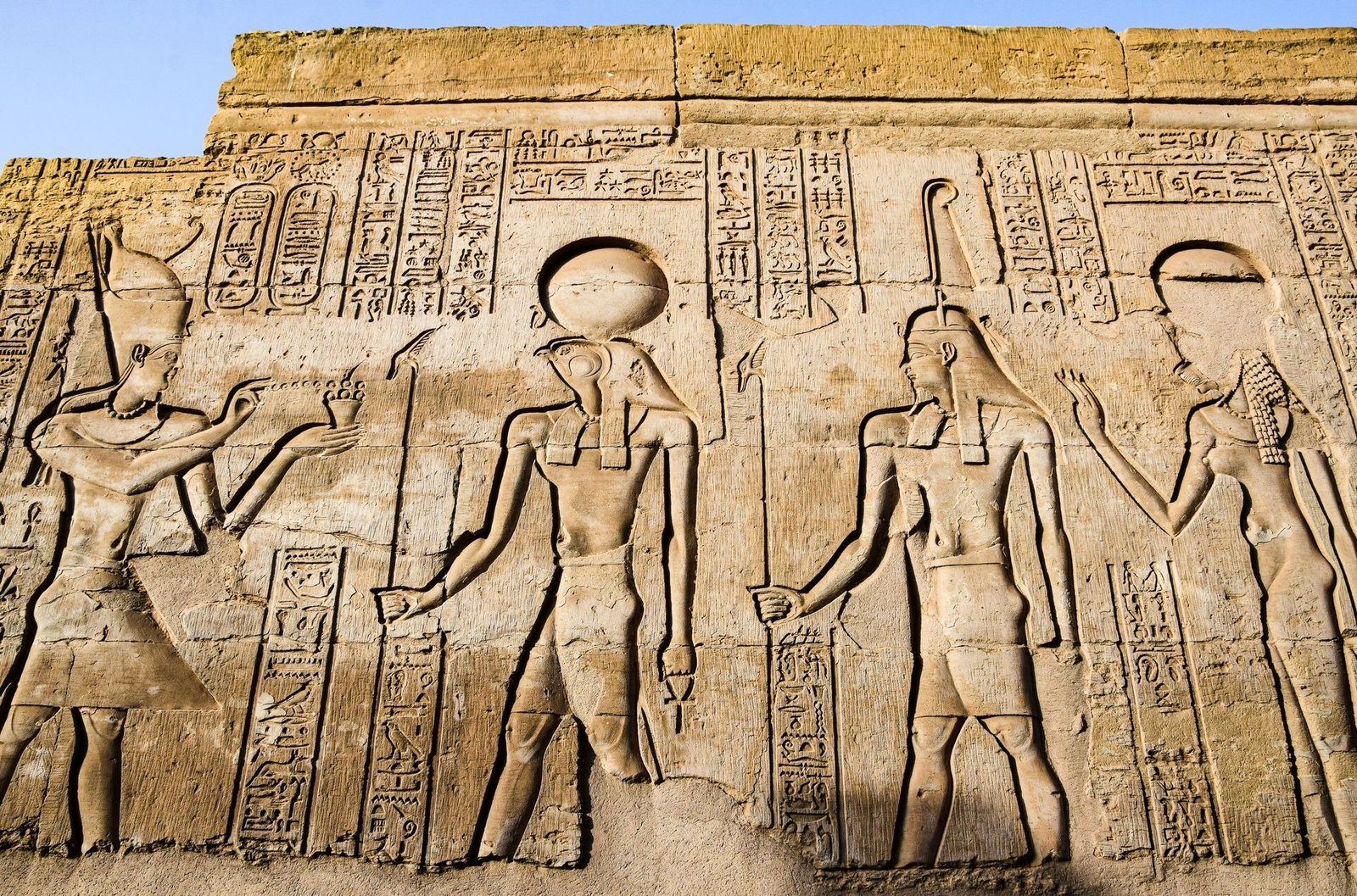
A cartouche is an oval frame around a royal name. Look for repeated cartouches beside figures and offering scenes, then ask whose name appears and whether it was altered by a later ruler. Identifying the name helps connect a wall scene to the building phase and political context.
Processional scenes use repeated figures, direction of movement and scale to create a formal narrative. Follow where people, boats or offerings are moving and which deity or ruler receives them. The scene records ritual order rather than a literal snapshot of everyday life.
Use the visit to connect the place, period and people rather than collecting isolated facts. For A Visitor's Guide to Reading Ancient Egyptian Temple Wall Scenes, notice how location, architecture, inscriptions and later changes reveal what the site was designed to do. A knowledgeable guide should distinguish evidence from interpretation and point out what is original, restored or relocated.
Karnak, Luxor Temple and the West Bank preserve different types of scenes, from ritual offerings to royal victory imagery and funerary texts. Read them by location, scale and sequence. The figures are symbolic and ordered; they should not be treated as straightforward photographs of historical events.
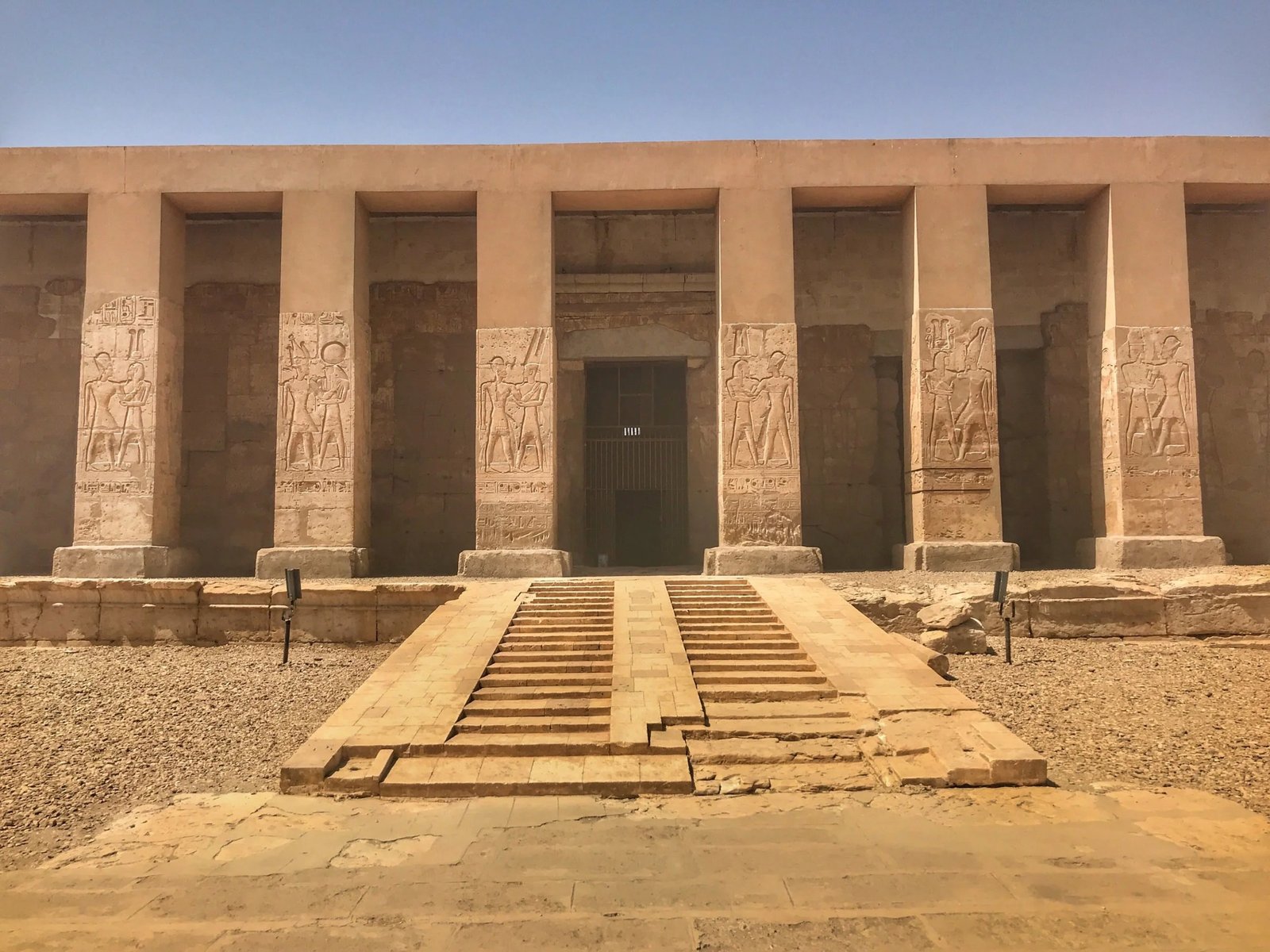
Karnak, Luxor Temple and the West Bank preserve different types of scenes, from ritual offerings to royal victory imagery and funerary texts. Read them by location, scale and sequence. The figures are symbolic and ordered; they should not be treated as straightforward photographs of historical events.
Connect A Visitor's Guide to Reading Ancient Egyptian Temple Wall Scenes to the days before and after it. Check transport, opening arrangements and the traveler’s energy rather than treating one attraction or activity as a separate checklist item. The final sequence should leave room for the fixed parts of the trip.
Avoid building A Visitor's Guide to Reading Ancient Egyptian Temple Wall Scenes around an old price, an undated timetable or an unnamed service category. Do not assume that a familiar attraction name means admission, guiding and transport are included. Keep optional stops separate from the confirmed core plan, and leave enough room for connections that cannot move.
Another common mistake is comparing options with different inclusions. Ask each provider to answer the same questions in writing. That makes the real differences visible and gives the operations team a clear basis for confirming the final arrangement.
Use this guide alongside our connect the history with places you can visit and compare guided routes. Send the travel date and priorities when requesting a proposal so the advice can be matched to current availability.
Continue with these published guides to connect this decision with the wider route:
It is for travelers comparing how to read egyptian temple carvings and trying to understand the practical differences before choosing an itinerary or service.
Prices, schedules, access, transport, vessel assignments and inclusions may change. Confirm time-sensitive details through the responsible authority or provider for your date.
Send your dates, group size, arrival and departure details, preferred pace, room or cabin needs, and any mobility or dietary requirements.

A practical guide to from workers village to royal tomb: a field guide to ancient thebes: compare the options,...
Read moreA practical guide to old, middle and new kingdoms: what travelers should know: compare the options, understand...
Read moreCompare the Valley of the Kings and Valley of the Queens by tombs, ticket structure, walking, crowds and the t...
Read moreTurn inspiration into an itinerary with our travel specialists.