Is Luxor worth visiting?
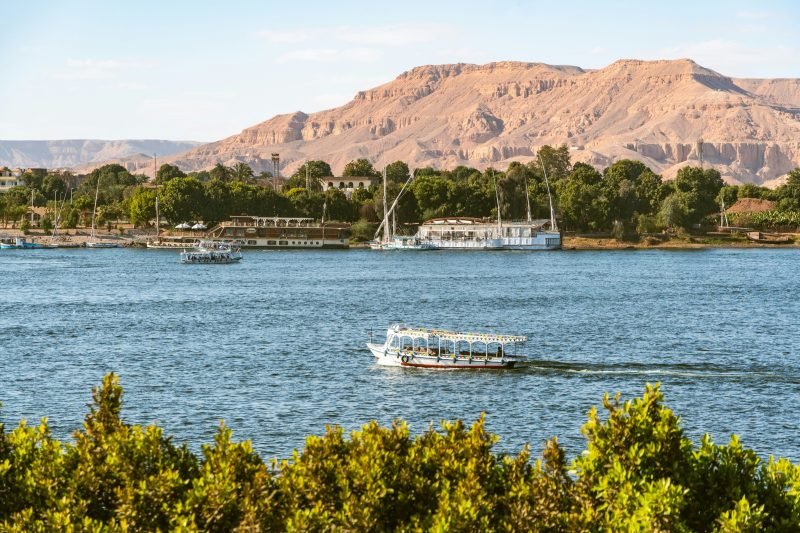
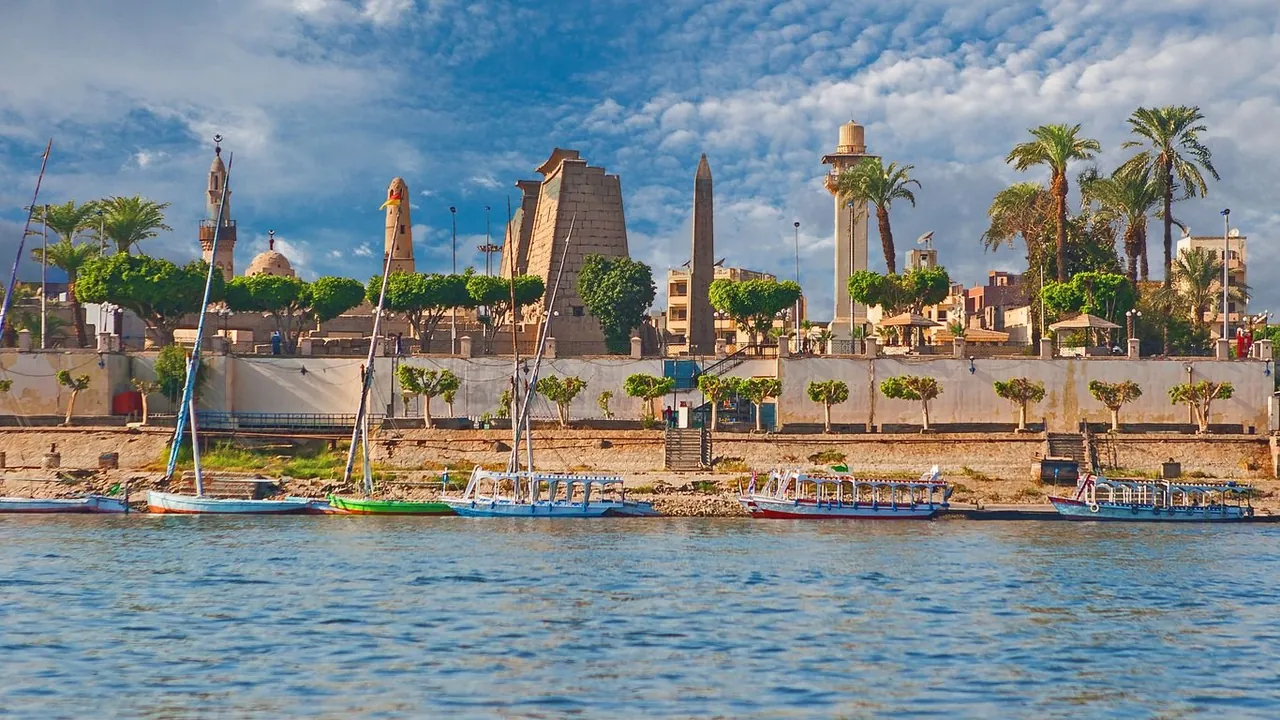
Luxor, on the site of ancient Thebes, is a centre for Egypt’s temple and tomb heritage. Plan at least two full sightseeing days to explore both banks of the Nile, with additional time for museums, less-visited monuments or the start of a Nile cruise.
Why Luxor deserves more than a quick stop
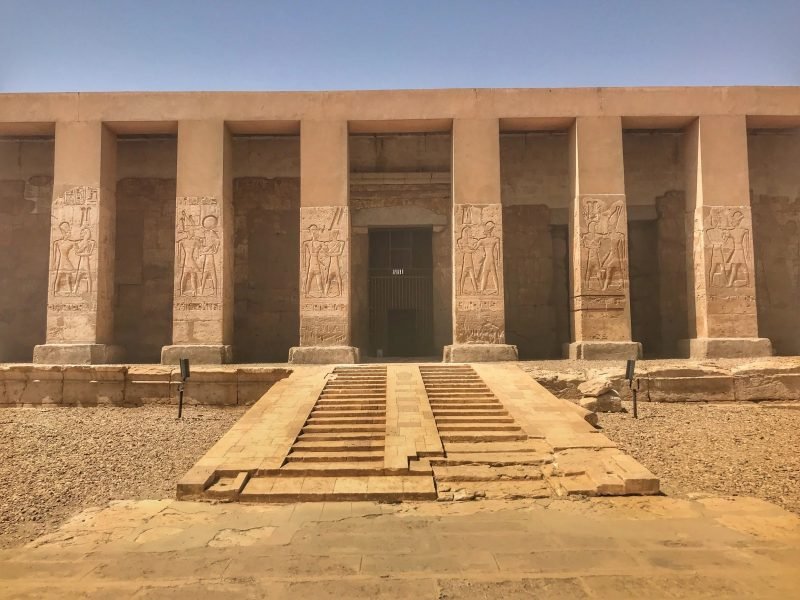
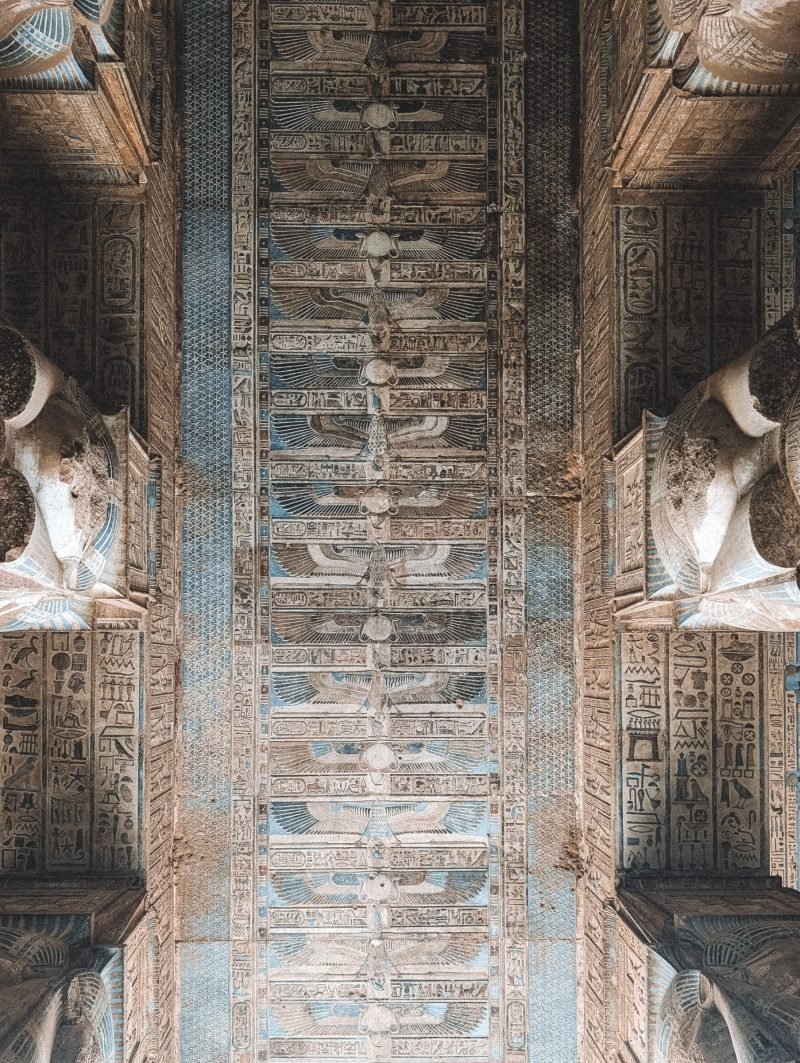
Luxor offers a concentration of ancient sites that can easily fill several days, but the experience is better when organised around themes rather than the longest possible list. Temples introduce public ritual and royal display; tombs reveal a different world of beliefs, painting and carefully planned spaces.
Divide your stay between the East and West Banks. This gives each day a clearer purpose and reduces unnecessary transfers. Leave room for a quieter visit or a museum if you want to absorb what you have seen rather than move continuously between major monuments.
The East Bank: Karnak and Luxor Temple
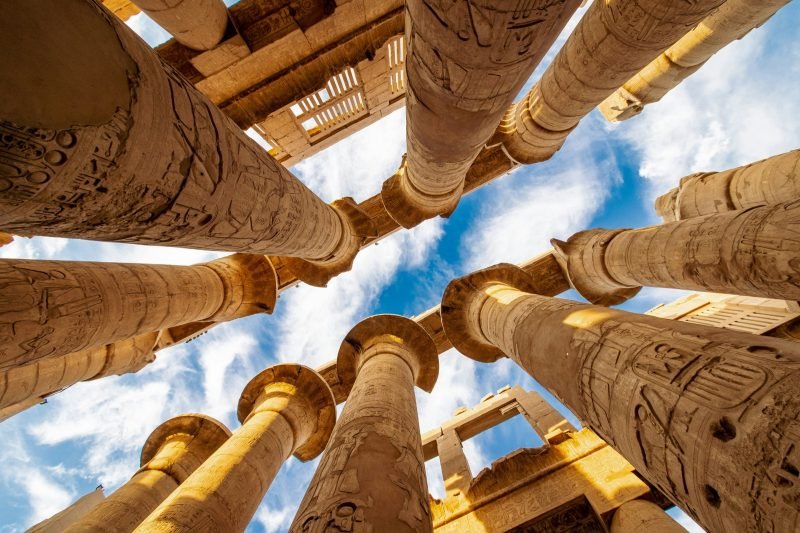
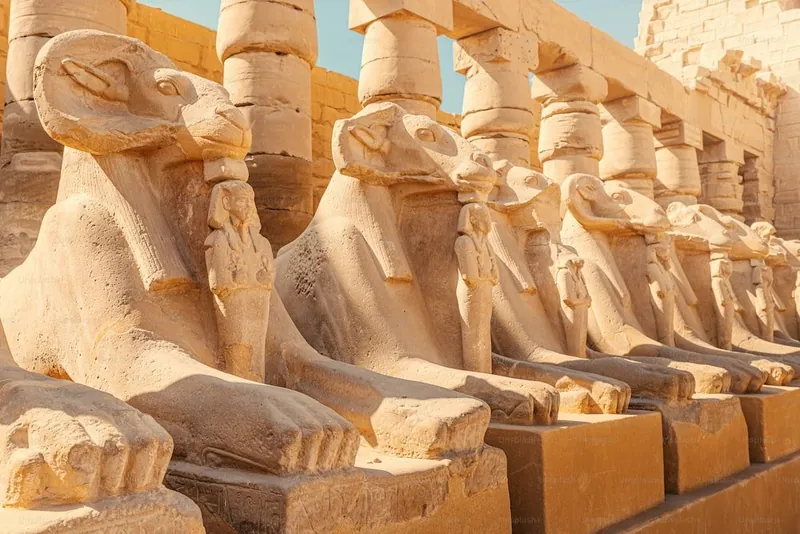
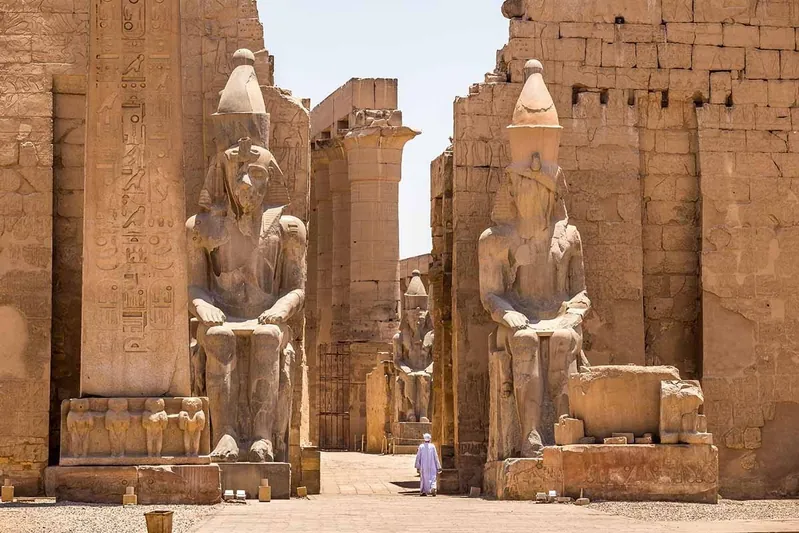
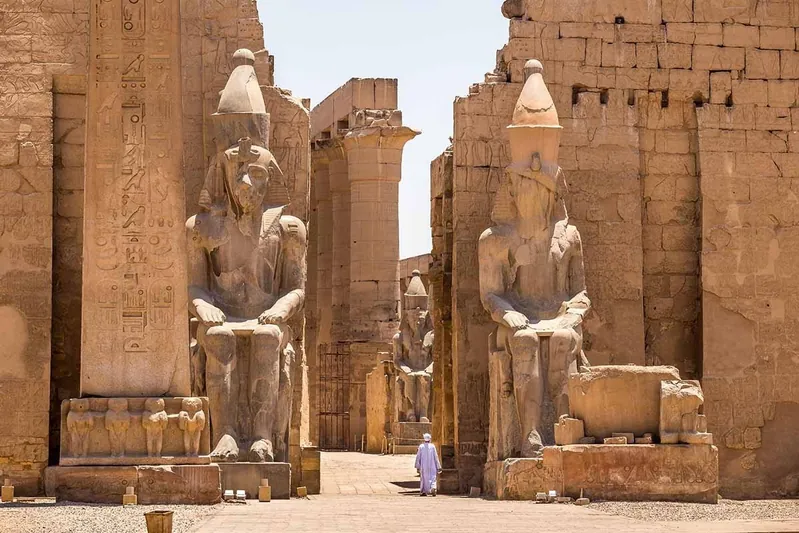
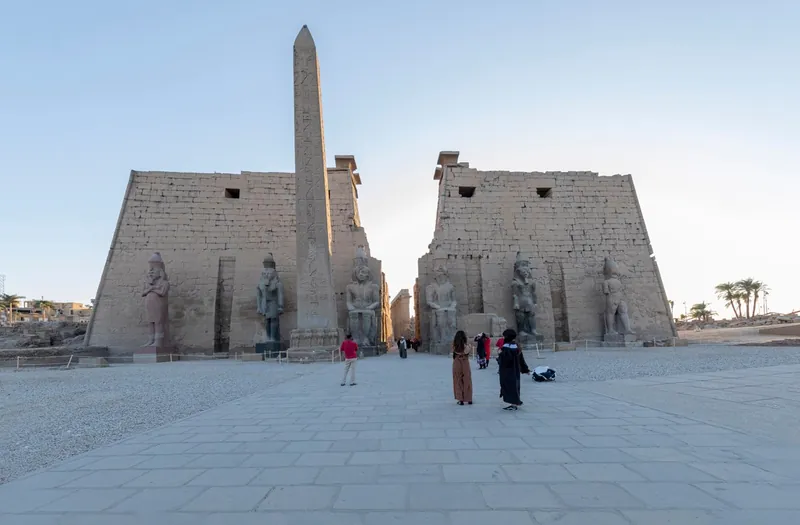
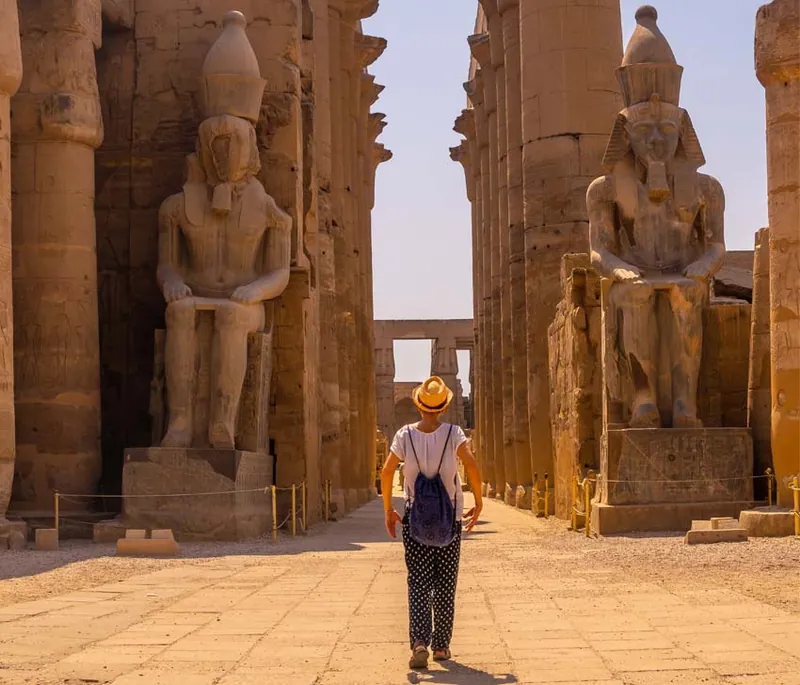
Karnak is a large temple complex developed over many generations, with monumental gateways, columns and carved surfaces that reward an informed explanation. Luxor Temple offers a separate experience within the modern city. Seeing both helps you understand that ancient Thebes was a connected religious landscape, not a single temple.
Allow enough time at Karnak to look beyond the first impressive view. For photography, ask your guide to balance explanation with independent time. Check current visitor hours before deciding whether a later visit to Luxor Temple fits your programme.
The West Bank: royal tombs and temple landscapes
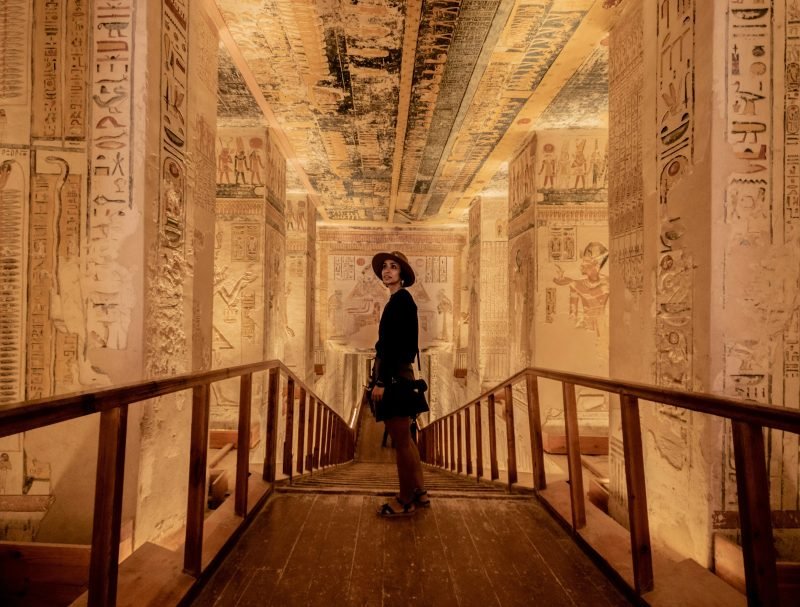
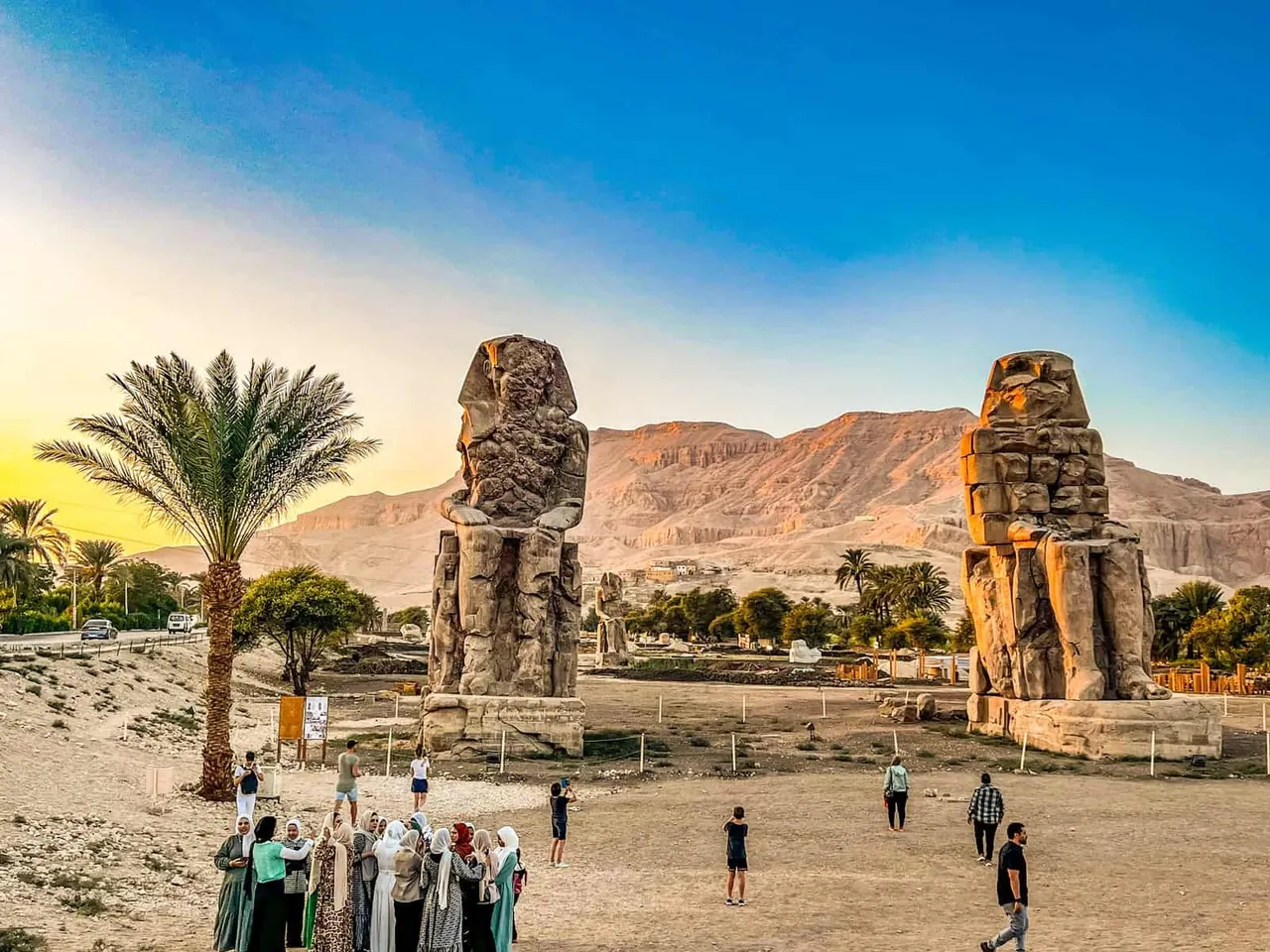
The Valley of the Kings, Hatshepsut’s temple and the Colossi of Memnon are common starting points for a West Bank day. Other possibilities include Medinet Habu and the Valley of the Queens, depending on your interests and the time available. These are distinct sites, with different admissions and walking conditions.
Tomb access is not identical across all tickets. Some entries may require an additional purchase, and the selection open to visitors can change. Decide which experiences matter most before adding optional tickets; more entries do not necessarily make a better visit if time is limited.
A suggested two- or three-day stay
Use the first day for Karnak and Luxor Temple, with a break and optional museum time. Dedicate the second to a focused West Bank route. Start with the visits you care about most and leave room to adjust to conditions and energy levels.
A third day can include a less-rushed archaeological visit, a museum or an excursion further afield. If you are interested in a balloon flight, schedule it as a separate, condition-dependent activity rather than assuming it is included with sightseeing. Keep your main itinerary workable if the flight cannot operate.
Connecting Luxor with a Nile cruise
Luxor is an embarkation or disembarkation point for many Nile programmes. Compare the cruise’s actual day-by-day itinerary with any land tours you are considering to avoid paying twice for the same visit. The number of nights alone does not tell you which excursions are included.
Coordinate flights, hotel nights and boarding arrangements before finalising the trip. A programme departing Luxor does not necessarily provide time for every major monument before sailing. Confirm the meeting point, check-in arrangements and the timing of included tours.
Practical planning for temples and tombs
Outdoor sites can involve exposed walking, uneven ground and steps. Keep the programme realistic for your party, plan breaks and ask about any mobility constraints in advance. Tomb interiors bring their own space and access limitations.
Check photography rules at the places you visit and follow instructions intended to protect painted surfaces. Use current official ticket information for entry options. When comparing tours, look at the guide, transport, included admissions and time at each stop rather than the headline price alone.
Questions to help plan your visit
Should I stay on the East or West Bank?
Choose according to your itinerary and preferred atmosphere. Ask about transfer arrangements for your planned visits rather than assuming every hotel is equally convenient.
Does a Valley of the Kings ticket include every tomb?
No. The current ticket rules determine standard entries, while some tombs may require additional tickets. Confirm the options close to your visit.
Can I visit Luxor from Hurghada?
Yes, but the road journey makes it a substantial excursion. An overnight stay can give more time for both banks and reduce the pressure of a same-day return.
Is a balloon flight guaranteed with a Luxor stay?
No. It must be booked as an included or optional activity, and operation depends on the provider and conditions. Keep alternative plans available.
More questions about your visit
How many days should I stay in Luxor?
Two full days are a useful minimum for the East and West Banks; three days allow museums or less-visited sites.
Should I visit the East Bank or West Bank first?
Either order works. Base the choice on opening hours, heat, your accommodation and any cruise schedule.
Which Luxor tombs require extra tickets?
The selection and ticket rules can change. Check official information close to the visit before choosing optional tomb entries.
Is a hot-air balloon flight guaranteed?
No. Flights depend on operating conditions and provider confirmation, so keep the rest of the day workable if it is cancelled.
Can Luxor be visited from Hurghada?
Yes, but it is a long day by road. An overnight programme provides a more comfortable pace and more sightseeing time.
What should I wear inside the tombs?
Wear light clothing and stable shoes. Interiors can be warm and may include steps, slopes and confined passages.
Can I photograph inside the Valley of the Kings?
Photography rules differ and can change. Follow the instructions displayed for each tomb and ticket.
How do I avoid repeating cruise excursions in Luxor?
Compare the cruise's detailed inclusions with any land tour before booking, especially Karnak and West Bank visits.
Continue exploring Egypt
Tell Egypt Rest Tours your travel dates, group size and preferred pace so we can help you choose suitable published tours or discuss a tailored itinerary. Check each programme for its actual inclusions, availability and price.
Destination references
Ministry of Tourism and Antiquities: Karnak · UNESCO: Ancient Thebes