
Marsa Alam to Aswan vs Luxor: Which Day Trip Is More Practical?
A practical guide to marsa alam to aswan vs luxor: which day trip is more practical: compare the options, unde...
Read more
Luxury Travel, Timeless Egypt
Contact Info
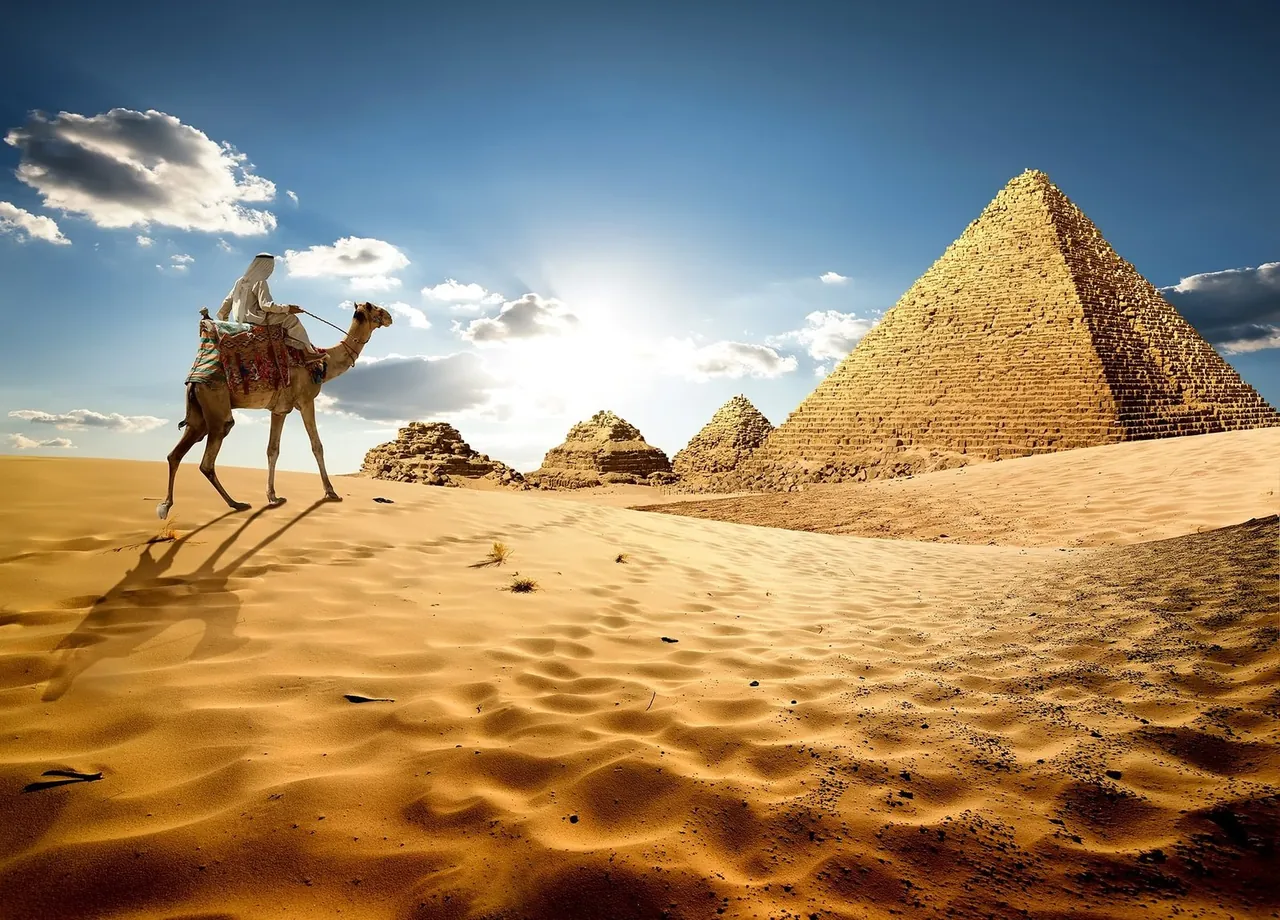
A practical guide to giza plateau route on foot: what is realistic without a vehicle: compare the options, understand what can change and know what to confirm before booking.
This guide gives travelers a practical way to understand Giza Plateau Route on Foot: What Is Realistic Without a Vehicle. It focuses on the decisions that affect the visit, the details that can change, and the questions worth confirming before booking.

Check the realistic time needed, local opening patterns, heat, walking conditions and transport before fixing the order of your day. Reconfirm time-sensitive details for your travel date.
Use Giza, Saqqara and greater Cairo as the practical geographic frame. Group nearby stops and avoid losing the day to unnecessary backtracking.
Choose a small number of experiences that match your interests and pace. Build in time for photography, breaks and the parts of the site that need explanation rather than adding stops only to lengthen the list.
Arrange timed tickets, a licensed guide and private transport where they materially improve the visit. Use the Giza destination guide to compare options that are already published and available for enquiry.
Travelers searching for walking around giza pyramids usually need a clear decision, not a list of superlatives. The sections below explain the trade-offs, identify details that vary by date or supplier, and show what to request before committing money or connecting transport.

The Giza monuments look close on a map, but the plateau is broad, exposed and uneven. Walking from the Great Pyramid to the panoramic viewpoint and Sphinx adds substantial distance. Choose a focused walking route or use a vehicle between zones, especially in heat or with limited time.
Conditions differ by region, time of day and travel date. Use current forecasts and official visitor notices for the final plan. For Giza Plateau Route on Foot: What Is Realistic Without a Vehicle, compare comfort, daylight, availability and operating schedules rather than assuming one season is best for every traveler.
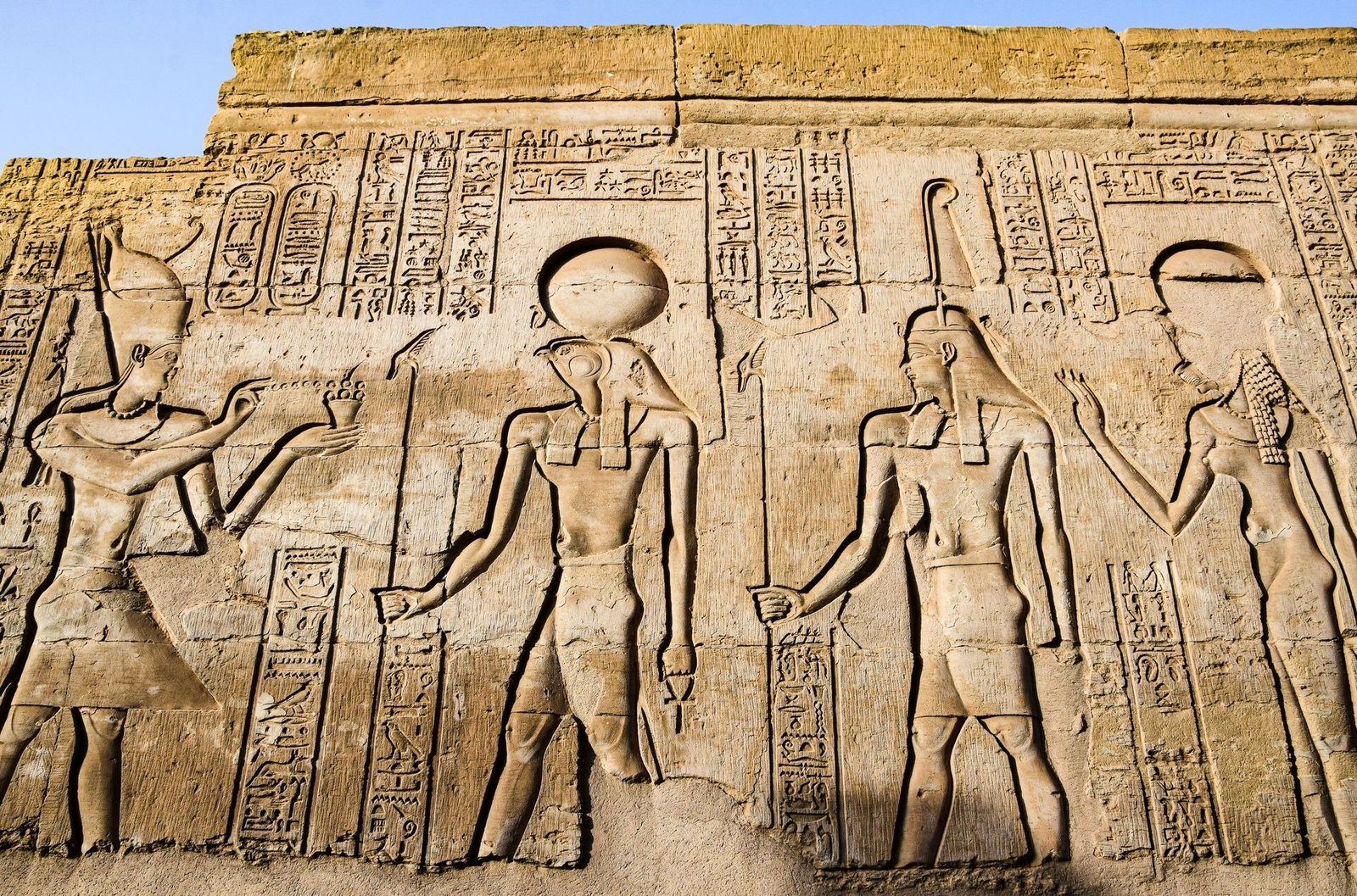
Ticket categories and access conditions may change. Check the responsible site or authority close to the visit, then confirm whether admission is included in the booked service. For Giza Plateau Route on Foot: What Is Realistic Without a Vehicle, identify any separately ticketed area, timed entry, mobility constraint or photography rule before the day begins.
Build the schedule from the fixed points first: arrival, departure, check-in, site access and the final return. Add realistic transfer and waiting time before assigning visits. For Giza Plateau Route on Foot: What Is Realistic Without a Vehicle, ask for the current sequence in writing because operating times, traffic, sailing patterns and access conditions can change.
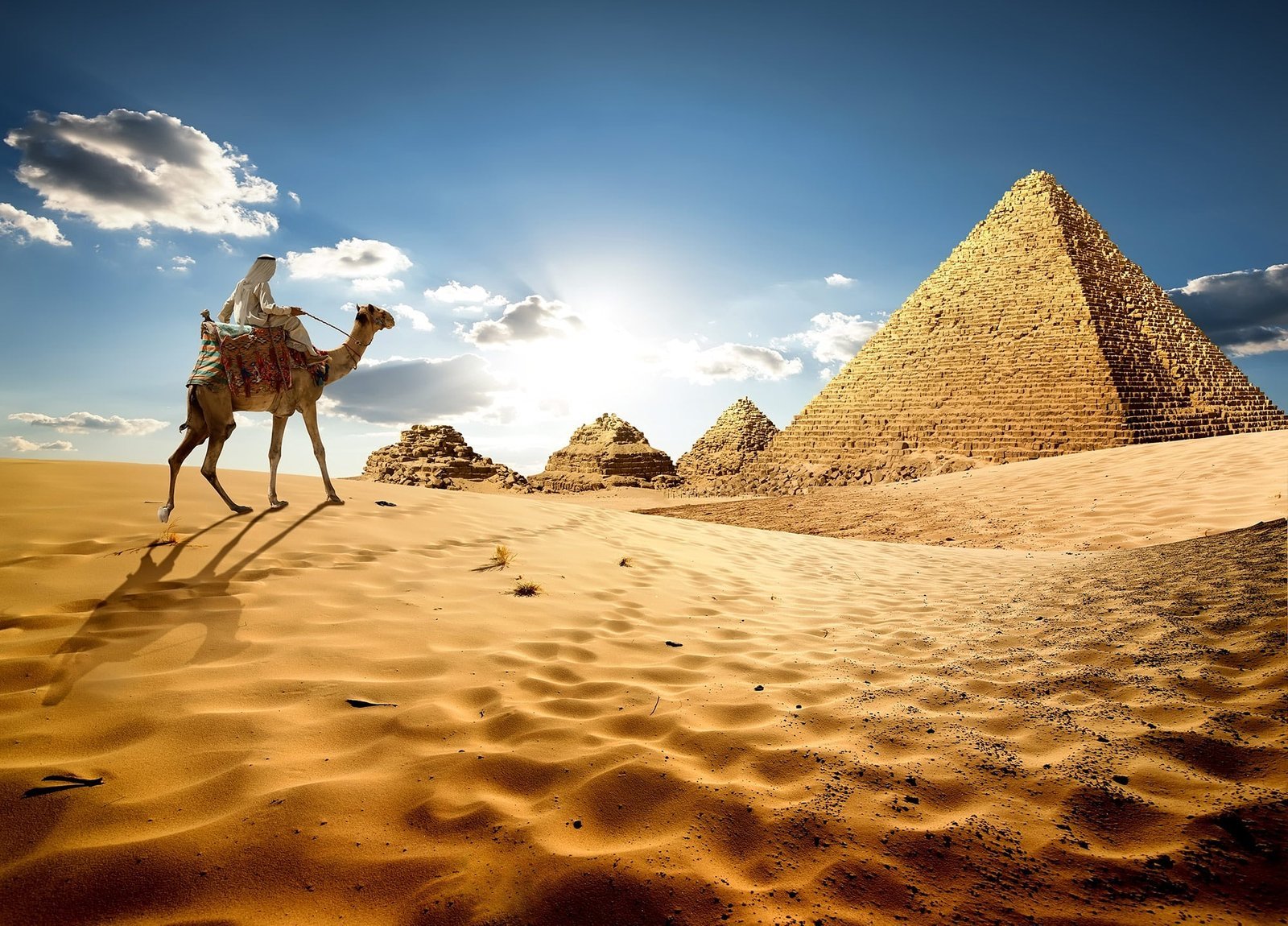
Allow enough time for the entrance process, orientation, the main route, photographs and a rest break. The useful duration depends on walking pace and interest, not only site size. A guide can shorten the route around key features, while independent visitors should add time for navigation.
Cairo and Giza require area-based planning. Use Giza Plateau Route on Foot: What Is Realistic Without a Vehicle to group sites that make sense together and leave flexibility for traffic and entry procedures. A museum time slot, airport transfer or evening booking should be treated as a fixed anchor.

Avoid building Giza Plateau Route on Foot: What Is Realistic Without a Vehicle around an old price, an undated timetable or an unnamed service category. Do not assume that a familiar attraction name means admission, guiding and transport are included. Keep optional stops separate from the confirmed core plan, and leave enough room for connections that cannot move.
Another common mistake is comparing options with different inclusions. Ask each provider to answer the same questions in writing. That makes the real differences visible and gives the operations team a clear basis for confirming the final arrangement.
Use this guide alongside our read the Cairo travel guide and compare Cairo tours. Send the travel date and priorities when requesting a proposal so the advice can be matched to current availability.
Continue with these published guides to connect this decision with the wider route:
It is for travelers comparing walking around giza pyramids and trying to understand the practical differences before choosing an itinerary or service.
Prices, schedules, access, transport, vessel assignments and inclusions may change. Confirm time-sensitive details through the responsible authority or provider for your date.
Send your dates, group size, arrival and departure details, preferred pace, room or cabin needs, and any mobility or dietary requirements.
A practical guide to marsa alam to aswan vs luxor: which day trip is more practical: compare the options, unde...
Read moreA practical guide to hurghada to luxor in one day: drive, sites and tour options: compare the options, underst...
Read moreA practical guide to nubian village vs nubian museum: which cultural visit fits your trip: compare the options...
Read moreTurn inspiration into an itinerary with our travel specialists.